3 hikers dead in Grand Canyon National Park; extreme heat blamed

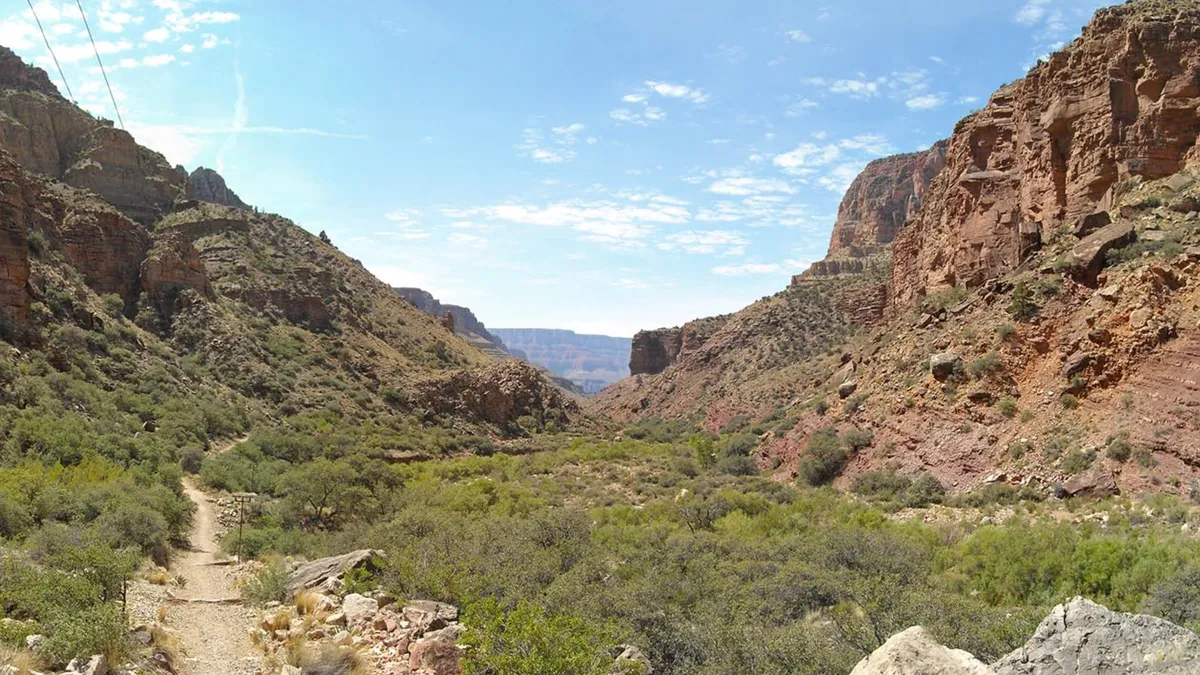
Three Hikers Lose Their Lives in Grand Canyon National Park Amid Record Heat
Cybersecarmor.com – Three hikers have tragically succumbed to heat-related illnesses in Grand Canyon National Park, with officials citing scorching temperatures as the likely cause. The incidents, which occurred on June 12 and June 16, were reported by park rangers and emergency responders, leading to the deaths of individuals who ventured into the park’s most challenging trails during the height of summer. A National Park Service statement released on June 19 confirmed the fatalities, underscoring the dangers posed by the extreme heat that gripped the region.
Heat-Related Illnesses Claim Lives in Inner Canyon
The victims were found hiking in the Inner Canyon, an area notorious for its intense heat. Officials noted that temperatures in shaded spots could climb to 109 degrees Fahrenheit by midday, creating a perilous environment for those without adequate protection. The National Park Service warned that such conditions can quickly overwhelm even the most seasoned hikers, particularly when combined with physical exertion and lack of hydration.
“Hiking in Grand Canyon can be a challenge for anyone, especially during the heat of summer,” the park service statement emphasized. The warning highlighted the need for hikers to avoid the Inner Canyon during peak hours, when the sun’s rays are most direct and the risk of dehydration rises sharply.
The first incident on June 12 involved a 72-year-old man who collapsed on the South Kaibab Trail. This trail, known for its breathtaking views, offers minimal shade and no water sources along its path during the summer months. The only available water is at the trailhead’s filling station, leaving hikers to rely on their own supplies or limited refills.
Four days later, a second fatality occurred on the North Kaibab Trail, which the park service described as the least visited yet most physically demanding of the major inner canyon routes. A 67-year-old man and a 68-year-old woman were also found deceased from heat-related symptoms, though the investigation into their exact causes is still ongoing. The park service has since urged visitors to take precautions, particularly during the hottest parts of the day, when the risk of heatstroke or exhaustion is highest.
Trail Conditions and Visitor Safety Concerns
The South Kaibab Trail, which is often the most popular among hikers, has long been a subject of concern for park officials. Its steep inclines and exposed terrain make it particularly vulnerable to the effects of high temperatures. Similarly, the North Kaibab Trail, though less crowded, presents a unique set of challenges, including longer stretches of sun exposure and limited shade.
Emergency personnel responded to both incidents with swift action, but the outcomes underscored the limitations of immediate intervention in extreme heat. The park service has since reinforced its safety guidelines, advising hikers to carry ample water, wear appropriate clothing, and plan their routes carefully. Officials also recommended checking weather forecasts before embarking on trails and taking regular breaks to monitor body temperature.
Understanding Heat-Related Illness and Its Risks
Heat-related illnesses, such as heatstroke and heat exhaustion, occur when the body’s natural cooling mechanisms fail to keep up with environmental conditions. According to the Centers for Disease Control and Prevention, older adults, young children, and individuals with chronic health conditions are particularly susceptible to these ailments. The risk is further amplified when hikers neglect to replenish fluids or seek shelter from the sun.
Grand Canyon National Park is no stranger to extreme heat, but recent conditions have pushed the limits of what even experienced hikers can endure. The park service has pointed to climate change as a contributing factor, noting that rising temperatures have made summer heatwaves more frequent and severe. This trend has prompted a reevaluation of safety protocols, with officials emphasizing the importance of education and preparedness for visitors.
Climate experts agree that the increasing frequency of heatwaves is a growing concern for outdoor activities. “Summer now brings not just higher temperatures but also prolonged periods of dangerous heat,” said a recent study by the National Oceanic and Atmospheric Administration. The study linked these trends to global warming, which is altering weather patterns and intensifying heat events across the country.
Call for Enhanced Safety Measures and Public Awareness
In the wake of the tragedies, the National Park Service has intensified its safety campaigns, focusing on the risks of heat exposure in the canyon. Rangers have begun conducting more frequent check-ins with hikers and distributing informational materials about the importance of staying hydrated and recognizing the early signs of heat illness. These efforts aim to prevent future incidents by ensuring visitors are well-informed about the conditions they may face.
Local health professionals have also weighed in, stressing that the heatwave’s impact extends beyond the canyon’s borders. “The combination of high temperatures and physical activity can be deadly within hours,” one physician explained. They recommended that hikers carry electrolyte supplements, wear light-colored clothing, and avoid midday hikes if possible. The advice is especially critical for those who may not be accustomed to the arid climate of the region.
Community leaders and environmental advocates are calling for additional measures to protect hikers. Suggestions include the installation of more water stations along popular trails and the provision of shaded rest areas in high-risk zones. Some have also proposed educational programs for local schools to raise awareness about heat safety and the importance of preparedness when venturing into natural environments.
Author Information and Contact Details
Eduardo Cuevas, a journalist based in New York City, reported on the incident for USA TODAY. His work focuses on environmental issues and their impact on public health, with a particular interest in how climate change affects outdoor recreation. Cuevas can be reached via email at emcuevas1@usatoday.com or through Signal at emcuevas.01.
As the park service continues to investigate the causes of the deaths, the focus remains on preventing similar tragedies. The incidents serve as a stark reminder of the dangers posed by extreme heat and the need for vigilance in high-risk environments. Visitors are encouraged to heed the warnings, stay informed, and take every precaution to ensure their safety while enjoying the natural beauty of Grand Canyon National Park.