FIFA is in NJ, but NYC expects traffic; why?

FIFA Is in NJ, but NYC Expects Traffic; Why?
Cybersecarmor.com – The 2026 FIFA World Cup kicks off in New Jersey this weekend, prompting New Yorkers to brace for potential traffic congestion. While the matches are set to take place across the river, the city’s thoroughfares are anticipated to feel the strain of the global event. City officials have warned residents to stay informed and prepared, as the influx of visitors could lead to significant disruptions in key areas.
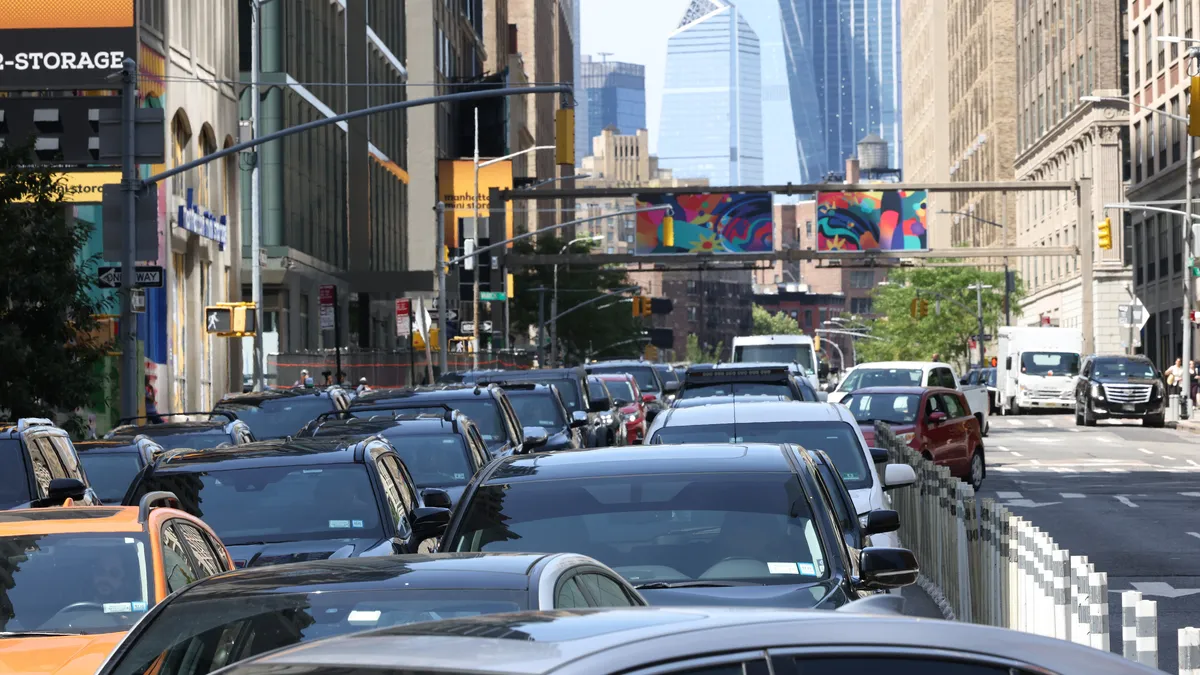
Traffic Delays in Midtown Manhattan
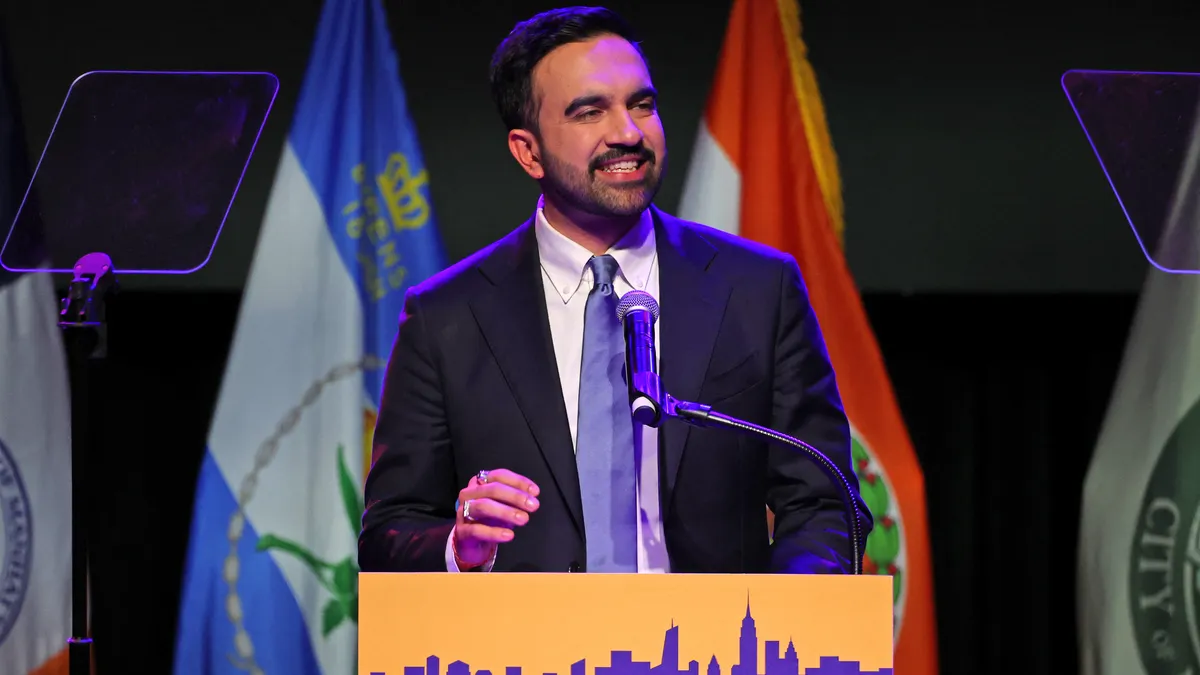
Mayor’s Office for Economic Development spokesperson Zohran Mamdani outlined the city’s readiness for the matches during a briefing with local agencies. He emphasized that one of the primary concerns for New Yorkers is the impact on traffic patterns. “We’re going to see changes to a lot of the streetscape in Midtown Manhattan, starting as early as noon tomorrow on Saturday, lasting as late as 11 p.m.,” Mamdani said after the meeting.
“We encourage New Yorkers to stay alert as to these changes, because we’re going to be implementing a number of busways to ensure that we can get fans to and from where they need to go, as well as emergency vehicles.”
The changes include the temporary closure of certain streets and the rerouting of traffic to accommodate the flow of fans. These adjustments are expected to be visible throughout the weekend, with the first game of the tournament scheduled for Saturday, June 13. This date coincides with the Knicks’ game in San Antonio, but the focus in New York will remain on the city’s infrastructure and mobility solutions.
Event Impact and Traveler Numbers
Over one million people are expected to flock to the region in the weeks leading up to the World Cup, with the matches alone drawing a substantial portion of this crowd. However, the America 250 celebrations—marking the 250th anniversary of the United States—will add to the influx, potentially increasing the number of visitors by hundreds of thousands.
Key areas like Columbus Circle, 42nd Street, and 34th Street are identified as potential hotspots for traffic delays. These locations are central to the city’s transit network, making them critical points for managing the flow of attendees. Mamdani warned that the majority of tourists and fans will likely converge in NYC, despite the matches being held in New Jersey, due to the city’s role as a hub for hospitality and amenities.
Streetscape Transformations
As part of the city’s preparation, significant modifications to Midtown Manhattan’s streetscape are planned. These include the installation of temporary traffic barriers, pedestrian walkways, and dedicated lanes for buses. The goal is to streamline movement for both spectators and emergency services, ensuring efficient access to MetLife Stadium, the primary venue for the first World Cup game on Saturday.
Residents are advised to adjust their travel plans accordingly, as some streets will be closed or narrowed for the event. Mamdani highlighted that these changes will be in place from midday on Saturday through late evening, creating a temporary shift in the city’s usual traffic dynamics. “This is a strategic move to prioritize safety and accessibility,” he explained during the briefing.
Weather Warnings and Cooling Centers
Adding to the logistical challenges, the weather forecast for the weekend shows temperatures rising to around 90 degrees. Mamdani warned that heat-related incidents could occur, especially with large crowds gathering in outdoor spaces. To mitigate this, the city has established cooling centers across all five boroughs, offering relief to those in need.
“In order to respond to that, we have set up cooling centers across the five boroughs,” Mamdani stated. “We encourage New Yorkers to stay cool whenever they can, to drink lots of water and to look for any space with air conditioning. If they’re looking for one, they can call 311.”
These centers will be available in public spaces, libraries, and community hubs, ensuring that residents have access to shaded areas and hydration stations. The combination of heat and traffic is likely to create a dual challenge for New Yorkers, requiring both vigilance and adaptability.
Preparation and Public Response
City officials have been working closely with transportation agencies, public safety teams, and local businesses to ensure a smooth experience for attendees. Measures include enhanced public transit options, increased police presence, and collaboration with event organizers to manage crowd flow. However, the success of these efforts will depend on the cooperation and awareness of the public.
Mamadani acknowledged that while the games are physically located in New Jersey, the city’s role as a host and logistical hub means it will shoulder the majority of the traffic burden. “New Yorkers are the backbone of this city’s resilience,” he said. “With their help, we can turn potential challenges into opportunities for connection and celebration.”
As the event draws closer, residents are urged to plan ahead, stay informed about traffic updates, and take advantage of the cooling centers. The World Cup is not just a sporting event—it’s a test of the city’s ability to adapt to large-scale gatherings and maintain functionality under pressure. With the right preparation, New Yorkers can navigate the chaos and enjoy the excitement of the tournament.
The 2026 World Cup represents a historic moment for the United States, with matches spread across multiple cities. While New Jersey hosts the majority of games, the concentration of fans in NYC underscores the event’s nationwide appeal. This convergence of people and activity will create a unique blend of sports, culture, and commerce, setting the stage for a memorable summer.
City agencies have also launched a public awareness campaign to educate residents about the changes. Digital platforms, local media, and community boards will be used to share real-time updates on traffic, weather, and event schedules. Mamdani noted that communication will be a key factor in minimizing confusion and maximizing the event’s impact.
Despite the challenges, the city remains optimistic about the event’s potential to boost tourism and economic activity. Local businesses, particularly those in Midtown and Times Square, are bracing for a surge in visitors. “This is more than just a football tournament—it’s a chance to showcase the best of New York City,” Mamdani said, adding that the city’s infrastructure and community spirit will ensure a seamless experience for all.
As the weekend approaches, the streets of NYC will transform into a bustling network of activity. Whether it’s navigating the traffic, staying cool in the heat, or experiencing the cultural vibrancy of the event, residents and visitors alike will find themselves in the midst of a historic moment. The World Cup in New Jersey may be the headline, but New York City’s role as a backdrop to the event ensures it will be the heart of the celebration.