Donald Trump ends tense ‘Meet the Press’ interview, walks away from host

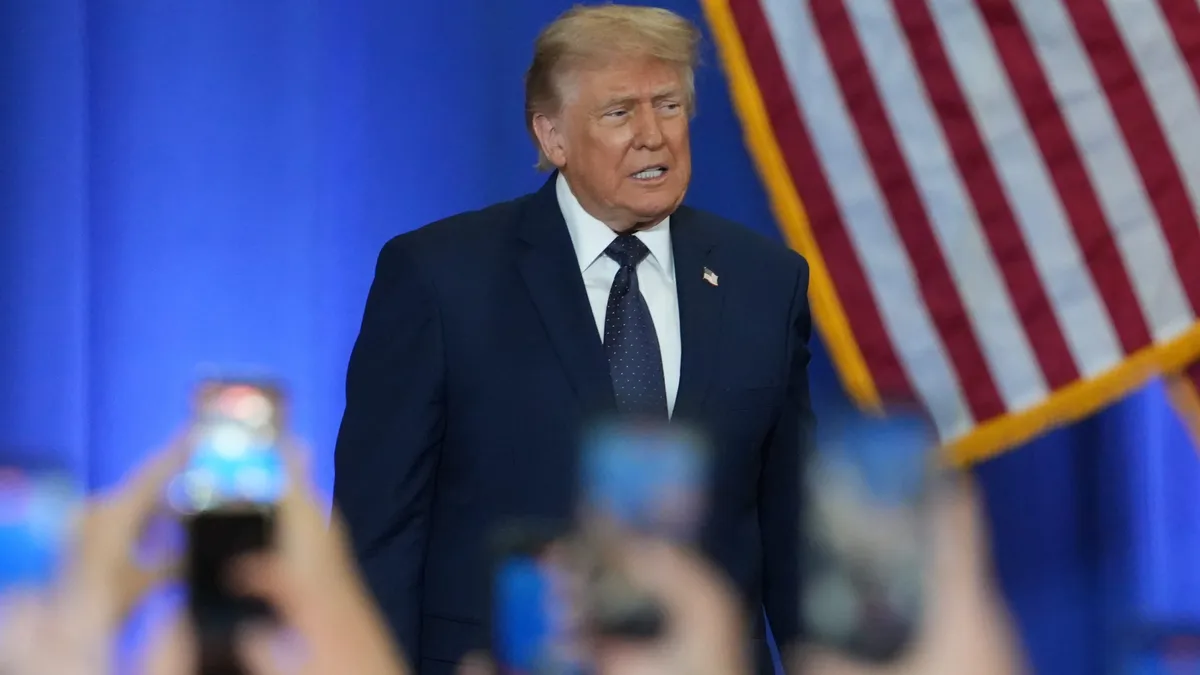
Donald Trump Confrontation at ‘Meet the Press’ Sparks Tensions
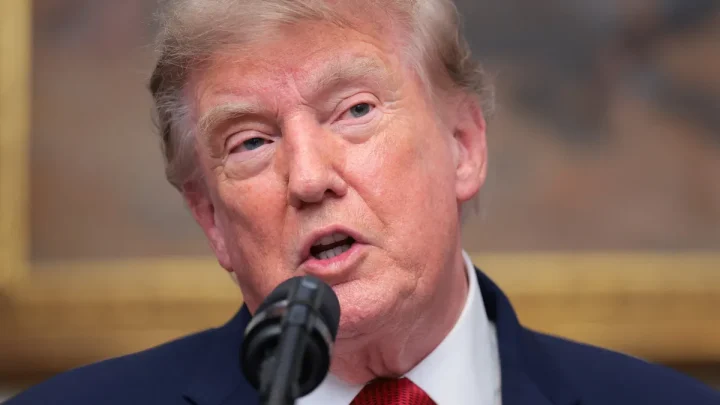
Cybersecarmor.com – During a June 7 episode of NBC’s “Meet the Press,” President Donald Trump abruptly concluded the interview and exited the studio after a heated exchange with moderator Kristen Welker. The incident unfolded as Trump disputed claims about election practices in California’s June 2 primary, with Welker pressing him for evidence. The moment, captured on camera, highlighted a growing rift between the president and the media, as he accused the press of bias and withdrew from the discussion.
Weather Complications and Political Context
The interview took place in a rain-soaked setting, with frequent interruptions due to the downpour. This backdrop added to the tension, as Trump’s team had traveled to Wisconsin for the event—a pivotal swing state where he secured a narrow victory in the 2024 election. The state’s political significance made the interview a key opportunity for Trump to reinforce his narrative, but the weather and the topic of California’s primary elections turned it into a charged debate.
Welker’s inquiry about California’s primary results prompted Trump to challenge the fairness of the process. She noted that “Republicans are doing well in California” following the June 2 contests, to which Trump responded with skepticism. “They’re dropping fast because it’s a rigged election,” he declared, implying that the outcomes were manipulated. This remark triggered a back-and-forth that escalated quickly, with Welker later questioning his assertion that the vote-counting was intentional.
California’s primary system, known as “jungle primaries,” allows all candidates—regardless of party affiliation—to compete against each other. The top two finishers, regardless of their political leanings, then advance to the general election. This format has drawn criticism from Republicans, who argue that the extended counting period gives Democrats an advantage. The process, which can span days or even weeks, has become a focal point for claims of irregularities.
Election Fraud Allegations and Evidence
Welker pressed Trump to substantiate his accusations, asking for proof of “cheating” in the primary races. “Do you know why they’re doing that? Because they’re cheating on the election,” Trump asserted, linking the slow vote tallying to alleged fraud. When challenged again, he responded with a vague defense: “All I have to do is look. I listen to people.” This exchange underscored his reliance on anecdotal claims rather than concrete data.
Trump also questioned the timing of the vote-counting process, suggesting it was inappropriate to tally votes five days after Election Day. Welker clarified that California officials had emphasized the need for a thorough count, even if it took longer than usual. The moderator’s insistence on evidence contrasted with Trump’s dismissive tone, creating a palpable tension that defined the interview’s second half.
Accusations of Media Bias
As the discussion continued, Trump accused Welker and her network of being “crooked.” “They’re crooked just like you’re crooked, your press is crooked and ‘Meet the Press’ is crooked,” he said, framing the debate as a partisan battle. Welker denied the allegations, and Trump claimed her questions were designed to “play into their hands,” a reference to the opposing political party’s strategies. This accusation further intensified the conflict, with the president calling her “either stupid or crooked” in a later moment.
Trump’s frustration extended to other news outlets, as he criticized ABC, CBS, and CNN for similar biases. The moderator, however, remained composed, steering the conversation back to the election specifics. Despite his outbursts, Welker attempted to keep the interview focused, noting that the California counting process was standard and not inherently flawed. Her efforts to maintain professionalism were met with Trump’s growing impatience.
Final Moments and Aftermath
In a dramatic turn, Trump appeared to remove his microphone from the podium, signaling his intent to end the interview. “Sorry. Let’s call it quits because I’ve had enough,” he said, adding a touch of theatricality to his departure. He then thanked Welker with a nickname—”darling”—before exiting the studio. The abrupt conclusion left viewers and analysts speculating about the political motivations behind his exit.
Welker, meanwhile, reflected on the weather’s role in the interview’s dynamic. From the show’s Washington studio, she mentioned that the June 6 conversation had been affected by rain, with both she and Trump noting the logistical challenges. She also revealed that Trump had agreed to a follow-up interview, suggesting the conflict was not the end of the discussion but a continuation of the dialogue.
The incident raised questions about Trump’s approach to media engagement and his willingness to address claims with evidence. While he framed the California primary as a case of systemic fraud, critics pointed out that the state’s process is designed to ensure accuracy, even if it takes longer than expected. The tension between Trump and Welker highlighted a broader pattern of the president’s interactions with the press, where skepticism of the media often leads to confrontational exchanges.
Spencer Pratt, a conservative mayoral candidate in Los Angeles, and Steve Hilton, a Trump-endorsed gubernatorial hopeful, are among the Republicans who have seen their standings in California’s primaries challenged by Democratic opponents. The race has become a microcosm of the national contest, with both parties vying for momentum in a state that is often seen as a bellwether for broader trends. The ongoing vote-counting process has intensified scrutiny, with candidates and analysts debating its impact on final outcomes.
Trump’s exit from the interview also drew comparisons to past moments of tension in his political career. His tendency to walk away from discussions, whether in person or on television, has become a signature move, often used to signal disagreement or to avoid further questioning. In this case, the decision to end the interview mid-sentence underscored his frustration with what he perceived as media bias and a lack of openness to his claims.
Political commentators have since analyzed the episode, noting how Trump’s rhetoric and actions reflect his strategy of framing opponents as dishonest and using the media as a battleground. The California primary, with its extended counting, has provided ample material for such claims, allowing Trump to position himself as a defender of election integrity while casting doubt on the process itself. This dual narrative has become a hallmark of his communication style, blending accusations with assertions of trust in the electorate.
The aftermath of the interview saw continued debate about the California results. With the top two candidates still to be determined, the race remains unpredictable. For Trump, the encounter with Welker served as a reminder of the challenges he faces in maintaining his narrative, even in the face of contradictory evidence. For the media, it highlighted the difficulties of engaging with a leader who often views fact-based discussions as a threat to his credibility.
As the episode concluded, the focus shifted to the broader implications of the interview. Trump’s decision to walk away from the moderator and his public criticism of the press signaled a shift in his approach to political dialogue. The incident also reinforced the idea that the California primary is more than just a local contest—it is a symbolic showdown for the national election, where every claim and counterclaim carries significant weight.
Ultimately, the interview underscored the polarized nature of the current political climate. Trump’s accusations of election fraud, combined with his dismissive attitude toward evidence, contrasted with Welker’s measured approach. The exchange left audiences divided, with some supporting the president’s skepticism and others questioning his readiness to accept scrutiny. Regardless of the outcome, the episode added another chapter to the ongoing story of Trump’s relationship with the media and the electoral process itself.