MAGA dissidents plot next move after splitting from Trump on Iran

Daftar Isi
Conservative War Critics Eye a Second Trump-Style Takeover of the GOP
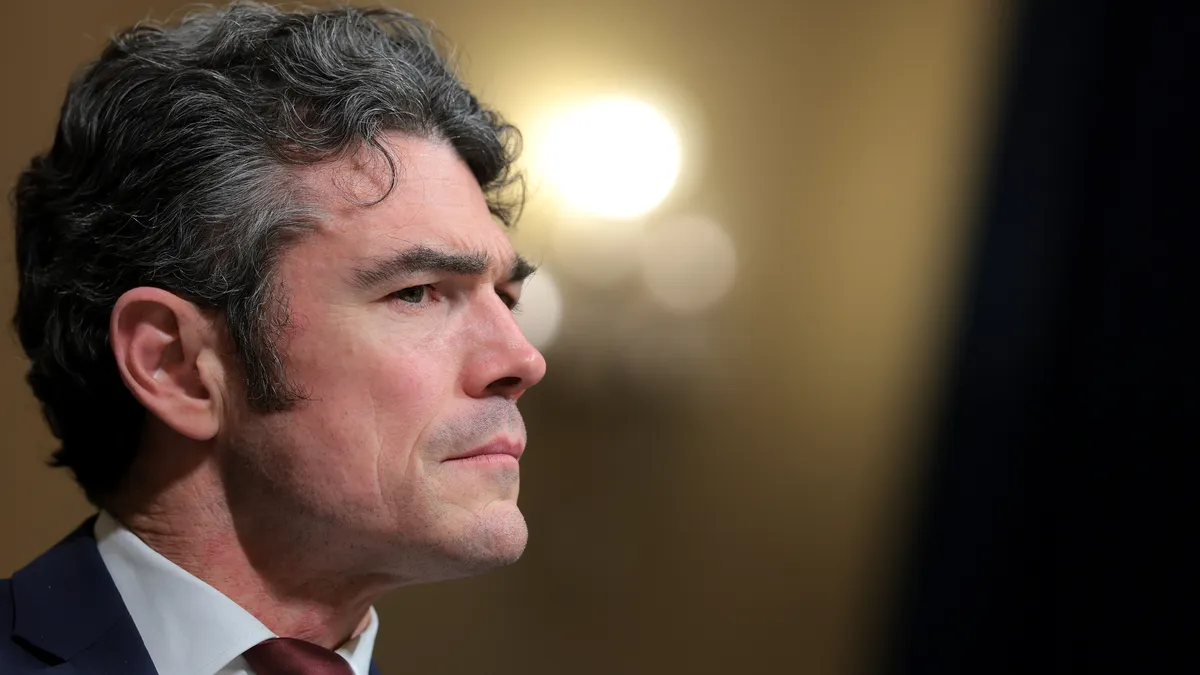
Cybersecarmor.com – The 2026 midterm elections loom over a Republican Party fractured by its own leader’s decision to drag the United States into a war with Iran. At the heart of a brewing intra-party revolt stands Joe Kent, a former Army officer who walked out of the Trump administration in March after concluding the conflict betrayed the very foreign-policy promises that brought the president to power. Now Kent is sketching out what he calls a political coalition of conservative war dissenters — a grouping that, if it gains traction, could reshape the right flank of American politics for years to come.
From Counterterrorism Director to Party Dissident
Kent entered the administration last year as director of the U.S. National Counterterrorism Center, drawn in by what he described as the president’s non-interventionist foreign-policy platform. He is also a close ally of Tulsi Gabbard, the former Director of National Intelligence who has become a vocal advocate for MAGA-aligned skepticism toward overseas military commitments. The alignment between Kent and Gabbard is not incidental; both are military veterans who came to believe that the brand of conservatism they once championed had drifted toward the very interventionism they opposed.
That drift became unbearable, in Kent’s telling, once the Iran war began. He resigned on March 17, fewer than three weeks after hostilities commenced. In his resignation letter, Kent recounted eleven combat deployments and the death of his wife, who was serving with the Navy in Syria when a suicide bomber killed her. He told the president directly that he opposed sending “the next generation off to fight and die in a war that serves no benefit to the American people nor justifies the cost of American lives.” As of the latest tallies, eighteen U.S. service members have been killed in the conflict, and morale concerns have surfaced aboard the USS Abraham Lincoln amid complaints about living conditions.
The Carlson Gathering and the Question of a New Movement
Last month, Kent traveled to the Maine home of conservative media figure Tucker Carlson for a meeting with other prominent MAGA voices who have broken with Trump over the war. The room included Representative Thomas Massie of Kentucky and former Representative Marjorie Taylor Green, who resigned her congressional seat earlier this year and publicly declared she no longer supports the Republican Party. All three had already clashed openly with the president on the question of Iran.
Green posted a photograph from the gathering on social media with the caption: “the movement has begun.” The image fueled speculation that a formal political organization centered on conservative opposition to the war was taking shape. Kent himself described the session as exploratory. He said an anti-war political coalition could become a meaningful force in future elections and outlined several possible organizational forms it might assume, while stressing that the project remains in its earliest stages.
“We still just have to flesh out what this coalition is all about,” Kent said.
He added that the group possesses genuine political energy and that public frustration with the war is palpable.
“We know that we have something here in terms of political energy. We know that people are frustrated.”
Trump’s Response: Dismissal and Naval Blockade
The White House did not treat the dissident movement with subtlety. Spokesman Davis Ingle labeled Kent a “quitter” in a written statement, arguing that the president had “destroyed nearly all of Iran’s military capabilities” and was “crushing what’s left of its abysmal economy with the most powerful naval blockade in world history.”
“In quitter Joe Kent’s twisted mind, that somehow means Iran is winning,” Ingle wrote.
Trump himself, speaking to reporters after Kent’s resignation, offered a personal verdict: “I always thought he was a nice guy. But I always thought he was weak on security, very weak on security.”
The president’s own war strategy has not produced a clean exit. He announced a peace deal in June, but the agreement collapsed quickly amid disputes over the Strait of Hormuz, the narrow waterway through which a large share of global oil shipments pass. Iran has continued to threaten shipping in the strait. On August 18, Trump told reporters that the United States is not engaged in talks with Iran while the naval blockade remains in effect — a statement that reads, to many observers, as an acknowledgment of stalemate.
What the Numbers Say — and What They Don’t
The political stakes are high. The war is shadowing the 2026 midterms, weighing on Trump’s approval rating and threatening to drag down his party as it seeks to hold onto Congress. In the Real Clear Politics average of recent polls, just 39 percent of voters approve of the president’s job performance. A recent AP-NORC survey found that most Republicans still back Trump on the conflict, though that support has slipped from its earlier peak.
Kent believes the war’s political fallout will outlast the conflict itself. He told reporters that the president is too fixated on negotiating a formal peace agreement and should simply withdraw. His argument is blunt:
“There’s no military solution. If there was one, then he just would simply execute it.”
The Playbook Question
Kent’s organizing logic borrows directly from the president’s own history. Trump built the MAGA movement by identifying a grievance the party establishment ignored, packaging it in populist language, and converting frustration into electoral force. Kent’s contention is that conservative war critics now hold an analogous grievance — one that the party leadership has dismissed with labels like “quitter” and “weak on security” — and that the same structural playbook could be turned against the current leadership.
Whether that analogy holds depends on variables no one can yet measure: how deep the anti-war sentiment runs within the Republican base, whether figures like Massie and Green will commit to a durable organization rather than episodic commentary, and whether the war’s human cost continues to accumulate in ways that make abstraction impossible. What is clear is that the factional split over Iran has moved beyond op-ed pages and into the realm of organizational planning. The question for the 2026 cycle is not whether conservative war dissent exists, but whether it can be converted into votes, seats, and institutional leverage before the next ballot.
Related Reading
Frequently Asked Questions
What is MAGA dissidents plot next move after?
MAGA dissidents plot next move after is the main topic of this guide. The article explains the context, practical details, and next steps readers should understand.
Why does MAGA dissidents plot next move after matter?
MAGA dissidents plot next move after matters because readers are looking for a useful answer, not just a short summary. Good content should match search intent and help them decide what to do next.