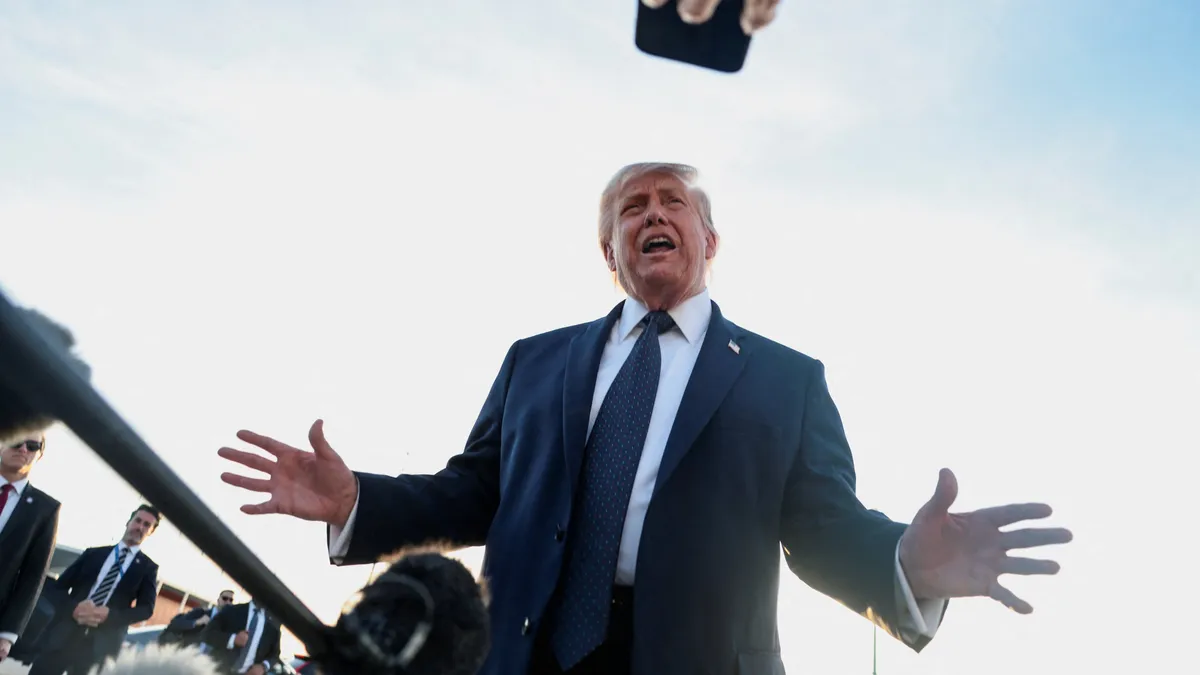
Supreme Court won’t let Missouri use GOP-favored congressional map

Daftar Isi
Supreme Court Blocks Missouri’s GOP-Drawn Congressional Map, Forcing Voter Referendum Before November Vote
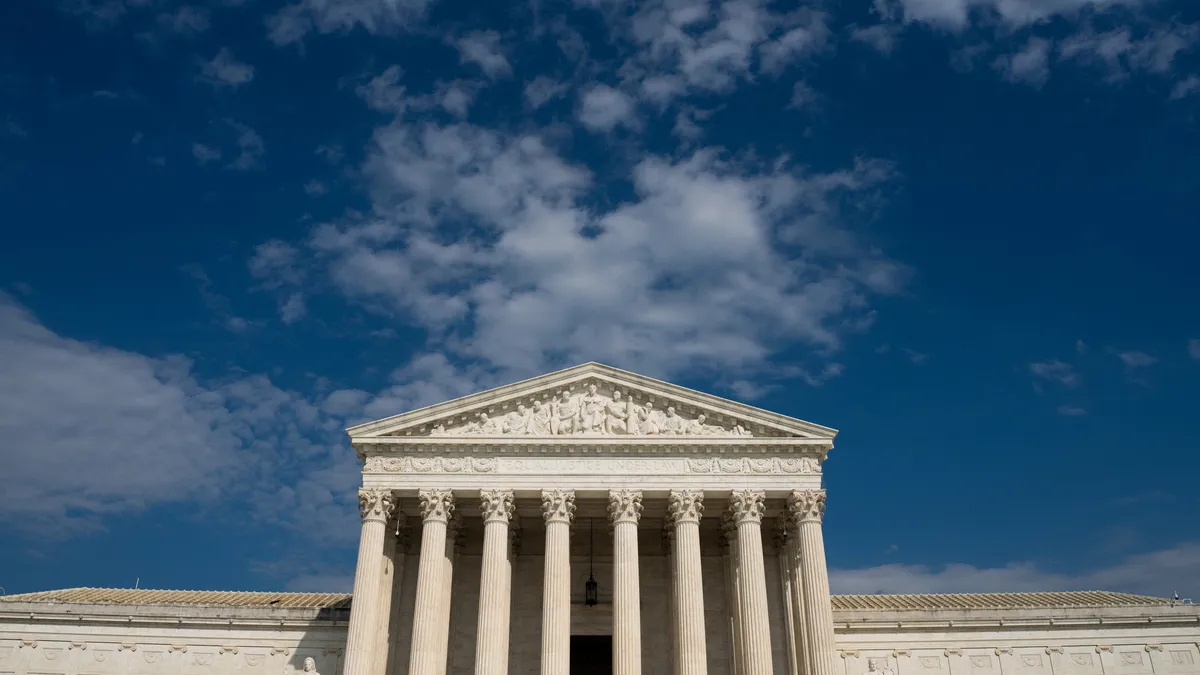
Cybersecarmor.com – The nation’s highest court on September 8 denied Missouri permission to deploy a congressional district map engineered to hand Republicans an extra House seat in the upcoming November elections. The ruling, delivered by Justice Brett Kavanaugh in his capacity as the justice who hears emergency appeals from the state, dealt a significant setback to the GOP’s fragile grip on the U.S. House of Representatives and sent the fate of one Kansas City-area district back to the ballot box.
Under the map that Missouri’s state legislature approved last year, a district long held by Democrats was carved apart so that Republicans would be favored in seven of the state’s eight congressional districts. The change effectively converted what had been a reliable Democratic seat into one where the party in power was projected to prevail. With the House majority hovering by a margin of one or two seats, that single flipped district carried outsized national consequences.
The Road to the Ballot Box
What began as a routine legislative redistricting cycle in Missouri quickly became a constitutional showdown. A citizen group called People Not Politicians Missouri gathered enough signatures to place the new boundaries before voters via a ballot initiative. State Secretary of State Denny Hoskins, a Republican, pushed back, arguing that the Missouri constitution does not permit ballot measures to govern congressional redistricting. He took roughly eight months to reach his conclusion on the petition’s validity.
The Missouri Supreme Court, however, unanimously rejected Hoskins’ position in a decision issued just days before the state’s November ballot was scheduled to be finalized. Writing for the court, Judge Ginger Gooch was blunt about the outcome:
“The referendum petition was legal, sufficient, and timely, and the secretary incorrectly concluded otherwise.”
The state court went further, assigning responsibility for the compressed timeline directly to the secretary’s office. Any disruption caused by the late ruling, the justices indicated, was a consequence of Hoskins’ prolonged deliberation rather than an unavoidable scheduling accident.
Emergency Appeal Rejected in Washington
State officials and the Missouri Republican Party rushed an emergency appeal to the U.S. Supreme Court, asking the justices to step in and allow the legislature-approved map to take effect immediately. Missouri Attorney General Catherine Hanaway argued that the state court’s timing created an untenable situation for the state’s election machinery.
“The timing of the state court’s decision blocking the map from being used in November inflicts unprecedented chaos on Missouri.”
Hanaway added that the state was “genuinely unsure whether it can switch its governing congressional map in time to run a timely federal election.” The practical stakes were concrete: under state law, the November ballot was supposed to be locked by September 8, and absentee ballots for military and overseas voters were slated to go out on September 19 in compliance with federal deadlines. The August 4 House primaries had already been conducted under the redrawn boundaries, meaning voters had cast primary ballots in districts that might not exist come November.
Lawyers representing the head of People Not Politicians Missouri pushed back sharply. They characterized the secretary’s delay as a manufactured crisis:
“Now that the Missouri Supreme Court has rejected his gambit, he asks this Court to deliver him the political victory to which he was never entitled under the Missouri Constitution.”
Kavanaugh, writing in his individual capacity as the justice assigned to Missouri’s emergency docket, declined to intervene. The state must therefore proceed with a voter referendum on the congressional map alongside the regular November elections.
A National Pattern of Map Wars
Missouri’s dispute is the latest in a wave of redistricting litigation that has consumed the Supreme Court’s calendar over the past year. President Donald Trump publicly urged states with Republican legislatures to redraw congressional lines in ways that would shore up the party’s congressional numbers. The strategy produced a cascade of lawsuits across the country.
In Texas, Alabama, Louisiana, Virginia, and New York, the justices ruled in favor of Republican-backed maps or Republican challenges to existing boundaries. In California, the court sided with Democrats contesting a newly drawn map. The Missouri case, by contrast, landed on the other side of the ledger: the high court allowed a state-level judicial ruling to stand, meaning the legislature’s preferred map could not simply override a voter-approved process.
For Missouri voters, the practical upshot is that the November ballot will now carry not only the regular House races but also a referendum question asking whether the redrawn congressional boundaries should take effect. The compressed timeline—absentee ballots going out September 19, primaries already held under the contested lines, and a state court decision landing days before ballot finalization—leaves election officials with minimal runway to prepare materials, brief poll workers, and ensure that voters understand what they are being asked to approve.
The decision also underscores a broader tension in American electoral law: the extent to which state constitutions empower ordinary citizens to override legislative redistricting through direct democracy. Missouri’s highest court has now drawn a firm line, holding that the ballot-initiative route is constitutionally available for congressional maps and that a secretary of state cannot unilaterally close that avenue. Whether other states with similar citizen-initiative provisions will follow suit remains an open question heading into the 2026 election cycle.
Related Reading
Frequently Asked Questions
What is Supreme Court won t let Missouri?
Supreme Court won t let Missouri is the main topic of this guide. The article explains the context, practical details, and next steps readers should understand.
Why does Supreme Court won t let Missouri matter?
Supreme Court won t let Missouri matters because readers are looking for a useful answer, not just a short summary. Good content should match search intent and help them decide what to do next.