Civil rights group says sending ICE to polls would ‘intimidate voters’

Daftar Isi
LULAC lawsuit seeks to keep ICE away from polling places
Cybersecarmor.com – A national Latino civil rights organization is asking a federal court to block Immigration and Customs Enforcement officers from appearing at polling locations during the coming midterm elections, arguing that their presence could discourage eligible voters from casting ballots.
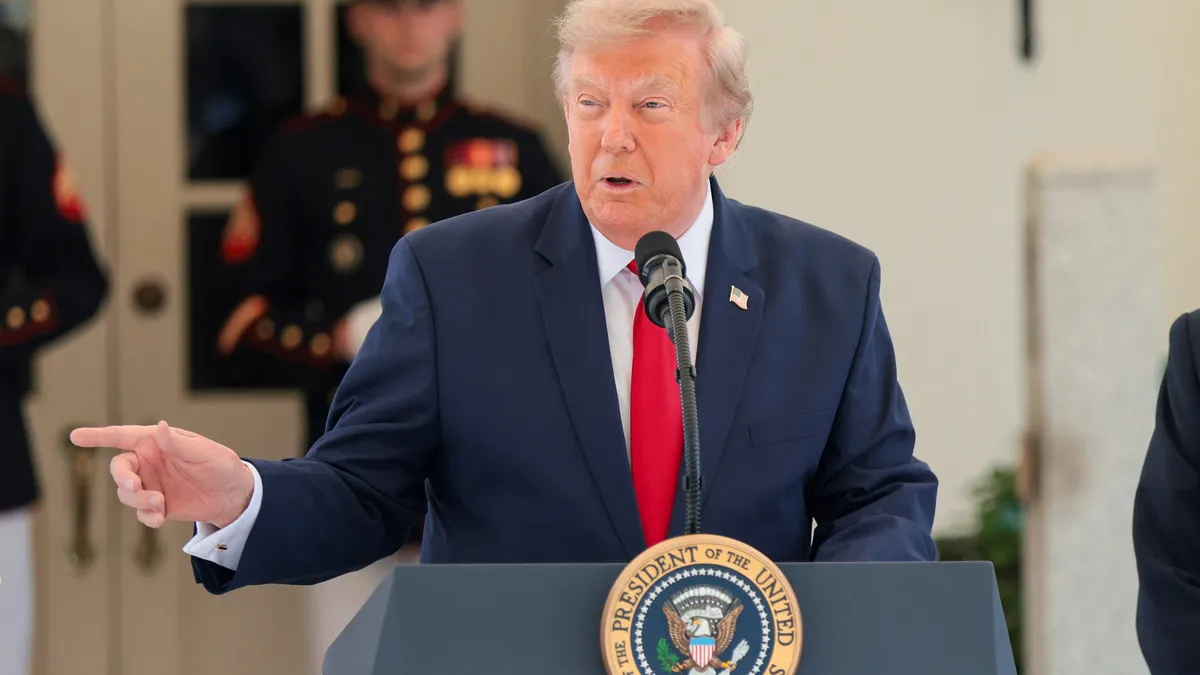
The League of United Latin American Citizens, known as LULAC, filed its lawsuit Sept. 10 in the U.S. District Court for the District of Columbia. The case follows comments by Department of Homeland Security Secretary Markwayne Mullin that ICE personnel could be sent to voting sites around the country in response to particular threats or to execute a warrant.
LULAC contends that the prospect of armed immigration officers near a place where people vote is itself harmful, even if few officers ever enter a polling site. The organization says fear and uncertainty could be especially consequential for Latino households that include relatives with different immigration statuses.
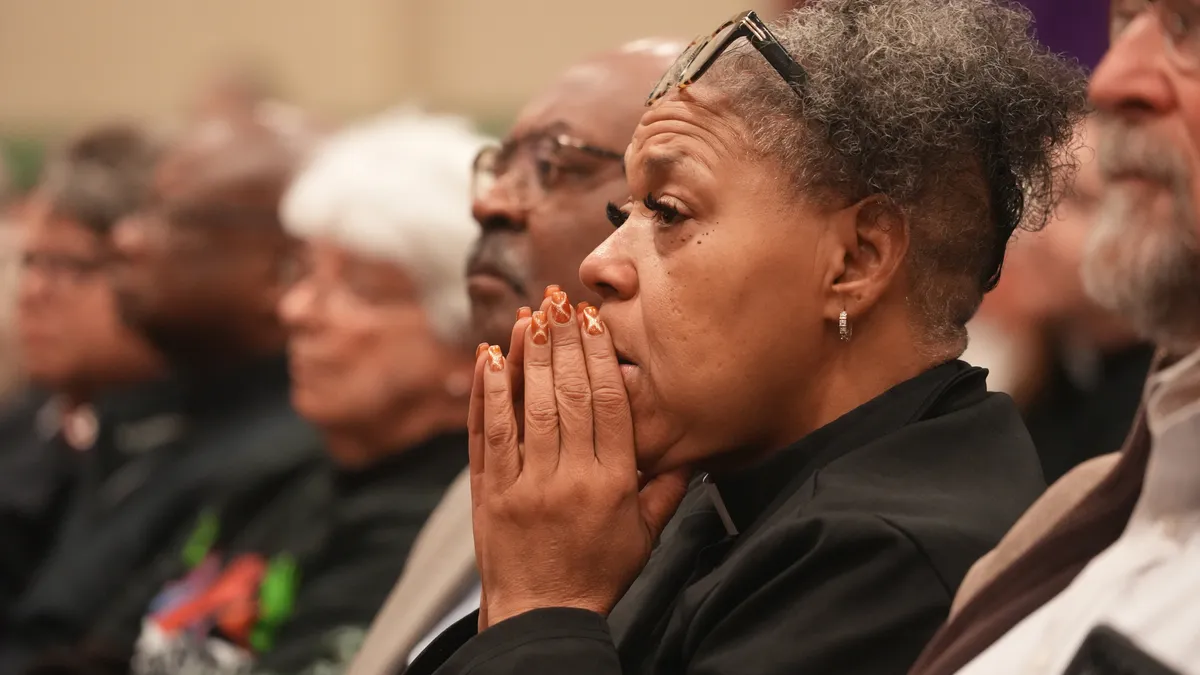
This policy does its damage before a single officer walks through the door. When a grandmother who has voted for 40 years, a naturalized citizen casting her first ballot, or a young man whose parents lack status hears that ICE may be waiting at the polls, many of them will stay home.
Juan Proaño, LULAC’s CEO, said the potential effect reaches beyond the people directly targeted by immigration enforcement. A voter may be a U.S. citizen and still worry that attending a polling place could expose a family member, friend or neighbor to an encounter with officers.
That is the chilling effect, and it falls hardest on Latino families in mixed-status households.
Federal officials describe narrowly targeted enforcement
On Sept. 10, the Department of Homeland Security confirmed Mullin’s earlier statements while emphasizing that ICE does not intend to conduct operations aimed specifically at polling places. A DHS spokesperson said officers could be present only when a targeted enforcement matter led them there, including a situation involving an active public-safety threat.
ICE is not planning operations targeting polling locations. ICE conducts intelligence-driven targeted enforcement, and if an active public safety threat endangered a polling location, they may be arrested as a result of that targeted enforcement action.
That explanation has not resolved concerns from voting-rights advocates and the plaintiffs in the lawsuit. Their central objection is not limited to a formal election-day operation. They argue that allowing ICE officers to appear near voting locations under any broadly publicized policy can affect decisions made well before Election Day.
Polling places have traditionally been treated as spaces where voters should be able to participate without pressure or fear. Critics of the policy say the use of armed federal immigration personnel near those sites would challenge that expectation and could interfere with confidence in the electoral process.
The lawsuit also raises legal questions tied to longstanding restrictions on armed forces at polling places. Those protections date to the period following the Civil War and were designed to guard against intimidation in elections. The plaintiffs maintain that the proposed approach conflicts with the underlying purpose of those safeguards.
Denver and advocacy groups join the case
LULAC is not bringing the case alone. Denver, the city and county government, joined the challenge alongside UnidosUS and Common Cause. The defendants are DHS, ICE, Mullin and Acting ICE Director David Venturella.
Denver Mayor Mike Johnston said local officials view the matter as a direct threat to voters’ ability to take part in elections without apprehension. His statement framed access to the ballot as a core democratic right and rejected the idea that immigration officers should be stationed close to sites where residents vote.
The right to vote, and to do so without fear of intimidation, is fundamental to our democracy and to being an American. Stationing ICE agents near polling places is only meant to scare people and suppress votes. We’ll fight tooth and nail to prevent it.
The participation of Denver gives the case a local-government dimension. Municipalities administer many practical elements of elections, from voting locations to voter communication, and they can face pressure when residents become uncertain about what may occur at a polling site. The lawsuit seeks to address that uncertainty before ballots are cast.
For voters, the dispute highlights the difference between eligibility to vote and feeling safe enough to exercise that right. U.S. citizens who are registered and otherwise qualified do not lose their voting rights because relatives or people in their community have unresolved immigration concerns. Still, advocates argue that the visibility of ICE near polling places could make that distinction feel less meaningful in practice.
Scrutiny of ICE remains part of the backdrop
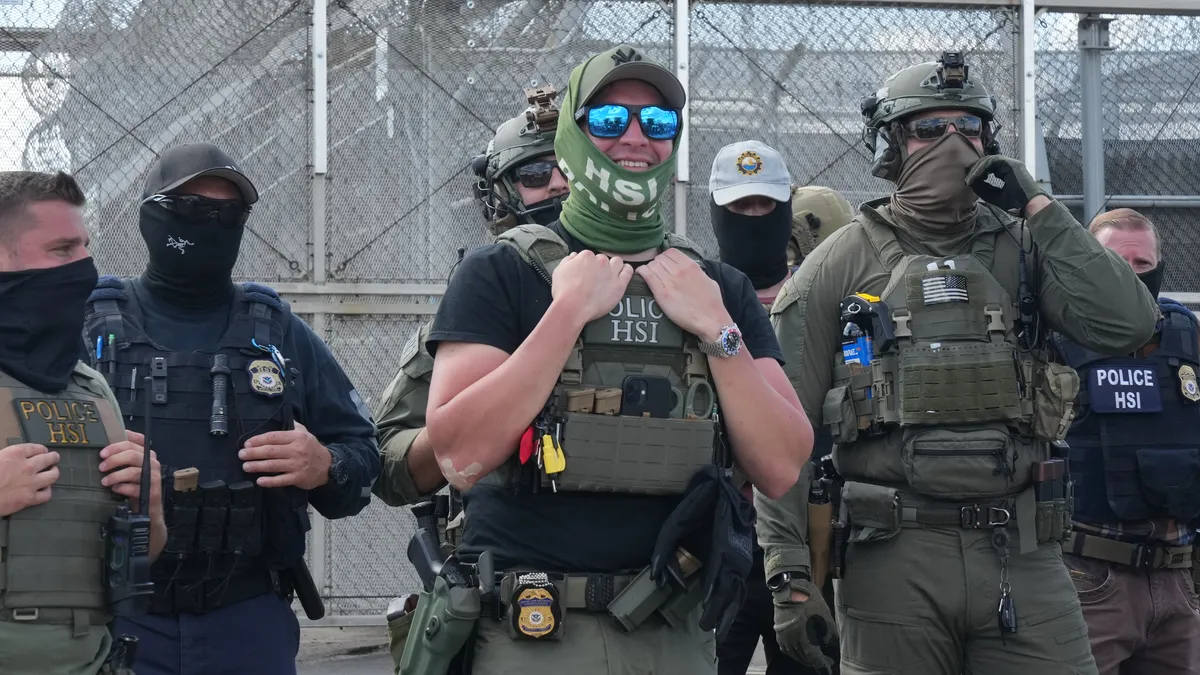
The legal challenge arrives during a period of heightened attention on ICE under President Donald Trump. The agency has drawn criticism over officers using masks that obscure their identities, as well as fatal shootings involving Renee Good in Minneapolis, Lorenzo Salgado Araujo in Houston and Silverio Villegas Gonzalez outside Chicago.
Dozens of people have also died in immigration detention centers, adding to broader arguments over enforcement practices, accountability and public trust. Those concerns form part of the atmosphere surrounding the debate over whether ICE officers should ever be visible at a polling location.
The court case will test whether the administration’s stated limits on enforcement activity are sufficient to protect voters from intimidation. Its outcome could shape the rules governing federal immigration enforcement around election sites as the midterms approach.
For now, the disagreement centers on a basic question: whether assurances that ICE will act only in targeted situations can offset the fear created by the possibility that officers may appear where Americans go to vote. LULAC and its allies say the answer is no, arguing that protecting participation requires a clear separation between immigration enforcement and the ballot box.
Related Reading
Frequently Asked Questions
What is Civil rights group says sending ICE?
Civil rights group says sending ICE is the main topic of this guide. The article explains the context, practical details, and next steps readers should understand.
Why does Civil rights group says sending ICE matter?
Civil rights group says sending ICE matters because readers are looking for a useful answer, not just a short summary. Good content should match search intent and help them decide what to do next.