Trump using Homeland Security funds to pay for TV ads before midterms

Daftar Isi
Homeland Security Funds Tied to National Pro-Trump TV Campaign
Cybersecarmor.com – Federal money assigned to the Department of Homeland Security is being used for a nationwide television campaign featuring President Donald Trump just weeks before the midterm election, raising fresh questions in Congress about the line between government communications and political promotion.
Government contracting records show that DHS awarded LMD Agency, Inc. a $20 million contract on Sept. 20 for a “national media campaign.” The award came three days before the first television spot in the series began airing.
The money became available one day earlier, when the White House Office of Management and Budget provided U.S. Customs and Border Protection with $20 million from the One Big Beautiful Bill Act. The 2025 law, a major Trump tax-and-spending package approved by congressional Republicans, listed the funds for “OBBBA commemorative events.”
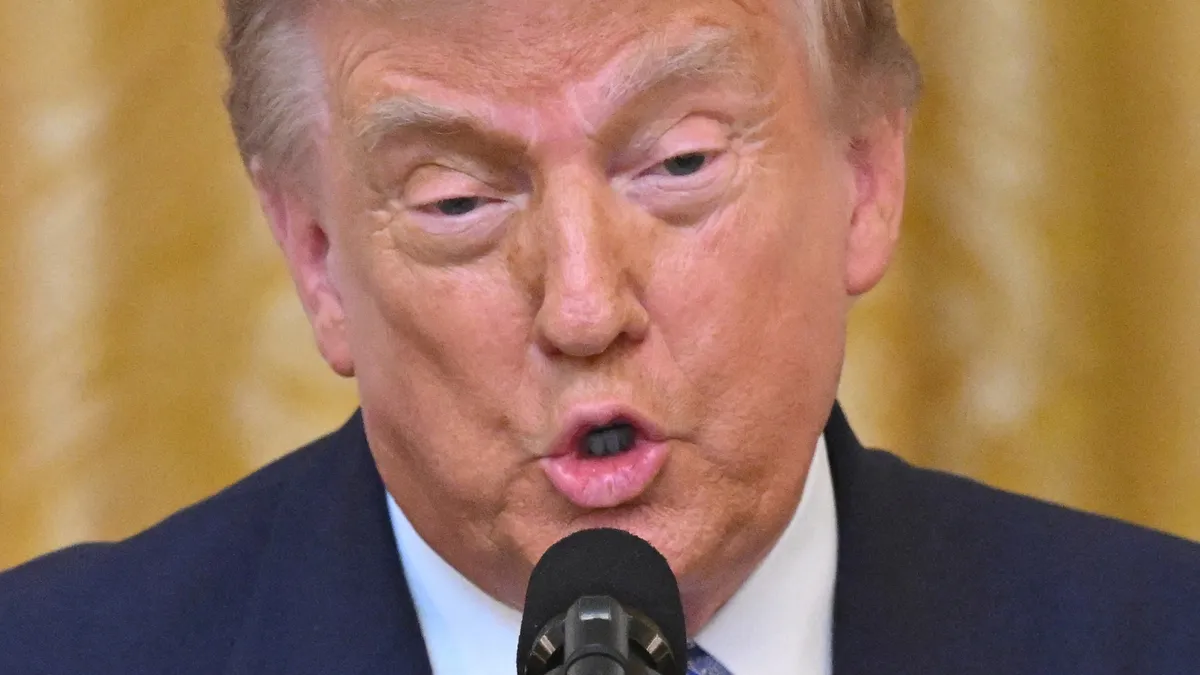
The advertisements have appeared nationwide and prominently feature Trump discussing his presidency, his economic record and political opponents. Each spot closes with the words: “Paid for by the U.S. government.”
Questions Over Public Dollars and Political Messaging
The campaign has triggered objections from lawmakers in both parties because annual spending laws generally bar the use of appropriated public funds for political advertising or propaganda. The administration’s use of money from the One Big Beautiful Bill Act has become a central point in the dispute.
AdImpact, which monitors television ad spending, estimated that $1.7 million had been spent so far to place the ads on television. The apparent connection between that spending and the $20 million DHS contract has intensified scrutiny of how the campaign was authorized and what the remaining funds could support.
The White House did not provide details about the funding source after multiple requests. DHS pointed to earlier White House comments defending the commercials, though those statements did not explain how they were financed.
Administration officials have argued that the spots are lawful public service announcements rather than campaign advertisements. Their position is that Trump is not a candidate on the November midterm ballot and that the commercials do not directly reference the election.
Critics counter that an ad can still carry political value even without naming a specific race or election date. The dispute is especially notable because the commercials celebrate the sitting president and are reaching voters in a national election season.
Three Ads, One Government-Funded Message
The first spot aired Sept. 23 and shows Trump calling on Americans to “defeat communism.” It presents him discussing economic achievements and personal endurance while a choir performs the phrase “Love me” in the background.
That ad has also prompted a separate legal challenge involving the music. Attorneys for musician JMSN sent the White House a cease-and-desist letter on Sept. 28 seeking to halt use of his song “Love me” in the commercial.
A second ad uses footage of Trump speaking at Mount Rushmore during this year’s Fourth of July celebration. In the commercial, he says:
This is only the beginning of the golden age of America.
A third commercial aired nationally during NFL games over the weekend. It matches an advertisement Trump used during the 2024 presidential campaign. Trump narrates the piece, warning viewers of a “final battle” against “the deep state,” Marxists and other figures he describes as “villains.”
While the ads differ in imagery and tone, they share a common focus: Trump’s political themes, his public identity and his view of the country’s future. That similarity has fueled concern that taxpayer-backed messaging is being used to advance a partisan narrative.
Congressional Pressure Builds
Sen. Susan Collins, the Maine Republican facing a difficult reelection contest in November, criticized the use of the funding. She said the money was intended for Customs and Border Protection rather than presidential advertising.
It came from the One Big, Beautiful Bill. It was taken out of funding that was supposed to be for Customs and Border Protection.
Senate Majority Leader John Thune, another Republican, expressed support for the substance of the ads but not their financing.
I like the message. But it shouldn’t be paid for with taxpayer dollars.
Democratic lawmakers have demanded more complete explanations from the administration. On Sept. 29, Sen. Patty Murray of Washington, the vice chair of the Senate Appropriations Committee, and Sen. Chris Murphy of Connecticut, the ranking member of the Homeland Security Subcommittee, wrote to Homeland Security Secretary Markwayne Mullin seeking answers within 48 hours.
The senators questioned DHS’s apparent role in the campaign and argued that the administration’s legal justification fails to address the basic issue of public spending on ads praising the president.
This administration’s defense of using Americans’ tax dollars to air these ads is as absurd as it is offensive. The American people deserve answers about how this president is literally stealing their tax dollars to air campaign ads celebrating himself—while doing nothing to help them afford health care or housing.
Why the Funding Trail Matters
The controversy reaches beyond the content of any single commercial. Federal agencies routinely communicate with the public about emergencies, safety, law enforcement, benefits and government programs. Those messages can be expensive and widely distributed, but they are generally expected to serve a clear public purpose tied to an agency’s mission.
In this case, critics are questioning whether ads built around Trump’s personal political message meet that standard, particularly when the money originated within DHS funding made available to Customs and Border Protection.
The timing has also drawn attention. The spots are reaching television audiences shortly before voters head to the polls for midterm contests that will help determine control of Congress. Although Trump himself is not on the ballot, his political standing remains central to campaigns across the country.
For lawmakers, the immediate issue is whether the funding was legally and properly used. The larger concern is whether administrations can rely on broad spending authority to finance communications that may not expressly ask for votes but still deliver a powerful electoral advantage to the president’s party.
With the advertisements continuing to air, Congress is pressing for records that could clarify who approved the campaign, how DHS funds were routed to the advertising contract, and whether officials evaluated restrictions on political communications before the spots went on television.
Related Reading
Frequently Asked Questions
What is Trump using Homeland Security funds to pay?
Trump using Homeland Security funds to pay is the main topic of this guide. The article explains the context, practical details, and next steps readers should understand.
Why does Trump using Homeland Security funds to pay matter?
Trump using Homeland Security funds to pay matters because readers are looking for a useful answer, not just a short summary. Good content should match search intent and help them decide what to do next.