Pilot says firework hit Delta plane landing at Chicago airport

Pilot Says Firework Hit Delta Plane Landing at Chicago Airport
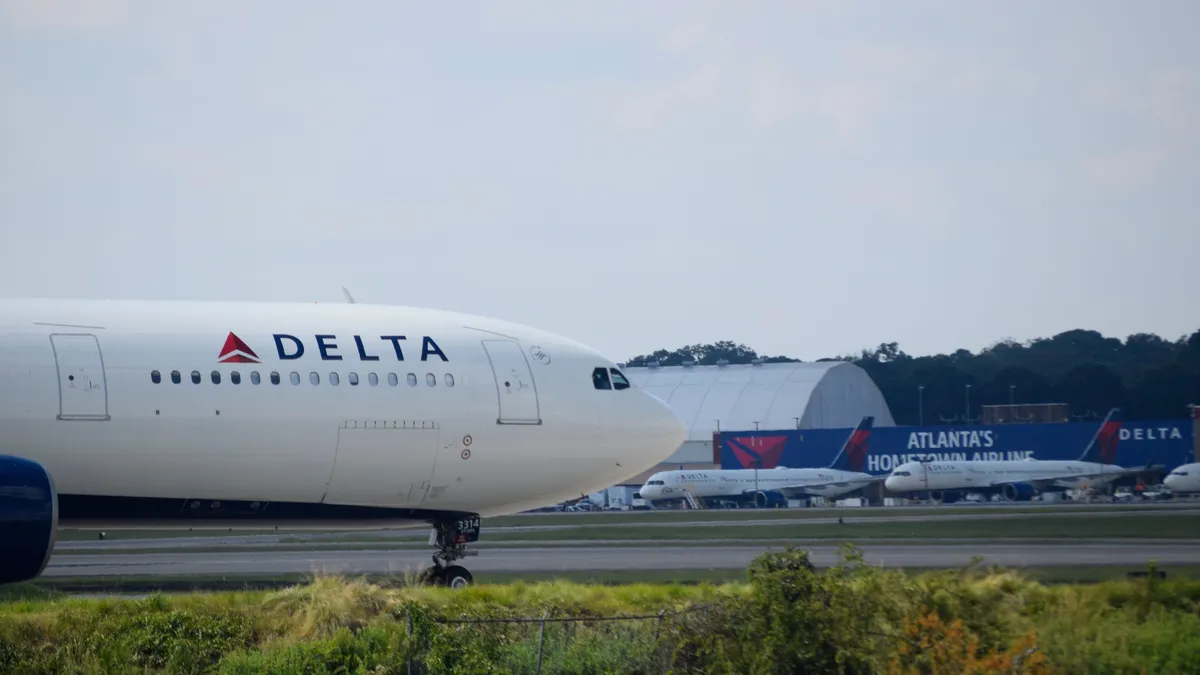
Cybersecarmor.com – On July 4, a Delta Air Lines flight experienced an unexpected event during its approach to Chicago Midway International Airport, as revealed by air traffic control recordings and the airline’s official statement. The incident occurred while the aircraft was descending, raising questions about the safety of the operation and the potential risks of celebratory activities near the runway.
The crew of Delta Flight 1076 contacted the control tower shortly before reaching the runway, according to audio shared on social media platforms. At the time, the plane was approximately 200 feet above the ground, a critical altitude for landing maneuvers. The pilot’s voice, captured in the transmission, conveyed a sense of urgency and confusion as they described the situation to air traffic controllers.
“We just had a firework hit our plane,” the pilot stated. “We’re just hoping it was just a mortar that went off underneath but definitely felt a big bang.”
The pilot’s report suggested that the object might have been a mortar, a type of firework commonly used during Independence Day celebrations. However, the exact nature of the object remains unclear, prompting further investigation. The controller on duty acknowledged the report and noted that there had been “multiple reports” of fireworks in the vicinity of the airport, indicating that this was not an isolated incident.
The Chicago Police Department confirmed the incident in a statement, describing it as a case of a plane being “struck by an unknown object” that resulted in “minor paint damage.” While the damage appears to be superficial, the event has sparked discussions about the proximity of fireworks to air traffic and the potential for such occurrences to impact safety. The police were reportedly notified by the control tower and are now reviewing the details of the incident.
Delta Air Lines provided additional clarification, stating that the aircraft landed without any issues and that mechanics conducted an inspection afterward. “The flight safely landed and taxied to the gate,” the airline’s statement emphasized, reassuring passengers and the public that no major damage was detected. Despite the initial shock, the crew managed to maintain control of the plane and complete the landing smoothly.
The Federal Aviation Administration (FAA) has launched an investigation into the event, although it has indicated that it will rely on information from local authorities and Delta for further details. FAA spokespersons mentioned that the agency is examining the circumstances surrounding the incident, including the possibility of fireworks interfering with the aircraft’s approach.
July 4 Celebrations and Airport Safety
The timing of the incident, during the nation’s Independence Day festivities, adds a unique context to the event. Chicago Midway International Airport, located near the city’s downtown area, is often a focal point for fireworks displays, particularly in the neighborhoods surrounding the terminal. While these events are typically organized with safety in mind, they can still pose challenges for air traffic, especially during peak hours.
Fireworks, though visually stunning, are not without their risks. According to aviation safety experts, the debris from such displays can sometimes drift into flight paths, especially if weather conditions or wind patterns are unfavorable. In this case, the pilot’s account suggests that the firework may have been launched close to the airport’s perimeter, increasing the likelihood of a collision during landing.
Delta’s statement also highlighted the airline’s commitment to safety, noting that the flight crew followed all standard procedures to ensure a secure landing. The airline has not yet disclosed whether the incident will affect future operations or lead to any changes in their safety protocols. However, the FAA’s involvement signals a broader examination of how such events can be mitigated.
Impact on Passengers and Operational Procedures
The event, while minor in terms of physical damage, could have caused anxiety among passengers. Flight 1076, which was carrying a mix of business travelers and vacationers, had to make a quick decision to continue with the landing. The pilot’s calm response during the transmission reassured the crew and control tower, but the passengers were left wondering about the cause of the “big bang” and whether it would affect their journey.
Aviation authorities have previously warned about the potential hazards of fireworks near airports. In 2023, a similar incident at another major airport led to a temporary delay in departures and a review of local event planning. This case at Chicago Midway may serve as another example of the need for coordination between event organizers and aviation agencies to prevent such occurrences.
Despite the minor damage reported, the FAA’s investigation will likely focus on determining whether the firework posed a risk to the aircraft’s safety. The agency may also assess the effectiveness of current measures to monitor and alert air traffic controllers about potential hazards in the area. Delta, in turn, is expected to provide more details about the plane’s condition and the crew’s actions during the incident.
Future Considerations and Safety Measures
As the investigation unfolds, questions remain about the specific conditions that led to the firework striking the plane. Experts are analyzing whether the object was a mortar, a rocket, or another type of celebratory projectile. The pilot’s assertion that the object may have been launched “underneath” the plane suggests it could have originated from the ground, possibly near the runway or adjacent areas.
The incident has also prompted a review of how airports manage fireworks events during peak travel times. Chicago Midway, like other major hubs, hosts various community events and celebrations, including fireworks displays. While these activities are usually planned with a safety margin, the July 4 incident raises concerns about the proximity of such displays to active air traffic.
In the aftermath of the event, Delta has expressed confidence in the safety of its operations. The airline’s statement emphasized that the flight landed “without incident,” and the mechanics’ inspection confirmed no significant damage. However, the incident is being treated as a valuable learning opportunity to enhance safety measures for future flights.
As the FAA continues its investigation, it will gather data from multiple sources, including the control tower recordings, the pilot’s report, and any footage or evidence from the airport. The findings could lead to recommendations for improved coordination between local authorities and airlines, ensuring that fireworks and air traffic can coexist safely.
The pilot’s experience underscores the importance of vigilance in aviation, even during seemingly routine landings. While the event was brief and the damage was minimal, it serves as a reminder of the unpredictable nature of such incidents and the need for ongoing safety assessments. Delta’s response, combined with the FAA’s investigation, aims to address these concerns and prevent similar occurrences in the future.
With the July 4 celebrations drawing crowds and excitement, the Delta plane incident has added a new chapter to the conversation about safety in aviation. As the investigation progresses, the findings will be crucial in shaping how airports and event organizers handle similar situations, ensuring that the skies remain as safe as they are for passengers and crew alike.