Senate panel considers vote to shield special education from RFK Jr.’s agency

Senate Panel Evaluates Move to Protect Special Education from RFK Jr.’s Oversight
Cybersecarmor.com – Washington, D.C. – A key Senate committee is set to deliberate on a significant measure this July aimed at halting the Trump administration’s plan to shift critical functions of federal special education programs to the Health and Human Services Department, which is under the leadership of Robert F. Kennedy Jr. The proposal marks a pivotal moment in the ongoing debate over the reorganization of educational policies and the future of support for students with disabilities.
The potential transfer of responsibilities from the Education Department to HHS has sparked intense scrutiny, particularly among disability rights advocates who worry about its long-term impact. While the administration has not yet established a definitive timeline for the transition, internal documents suggest the change could be implemented as early as the fall. Despite the uncertainty, officials have emphasized that the move will safeguard the rights of students and their families, according to a recent statement from the Education Department.
Disability rights organizations have raised concerns that the shift might compromise existing services. These groups argue that the Office of Special Education and Rehabilitative Services (OSERS), a core component of the Education Department, plays a vital role in ensuring equitable access to education for children with disabilities. Critics highlight that RFK Jr.’s history of controversial remarks on autism, including his assertion that the condition “destroys families” during a press conference last year, has fueled fears of ideological influence over program implementation.
“The condition ‘destroys families,’” RFK Jr. stated in a 2025 press conference, framing autism as a crisis rather than a developmental difference. His comments, while not directly related to the current policy shift, have underscored broader concerns about his approach to special education.
Despite these reservations, the administration maintains that the new interagency collaboration will streamline federal support for individuals with disabilities. A summary of the proposed framework, released in internal communications, asserts that the transfer will “not affect students, parents, or families” and will instead “enhance the efficiency of program delivery.” However, this claim has been met with skepticism, as opponents argue that reassigning oversight to HHS could dilute the specialized focus of the Education Department.
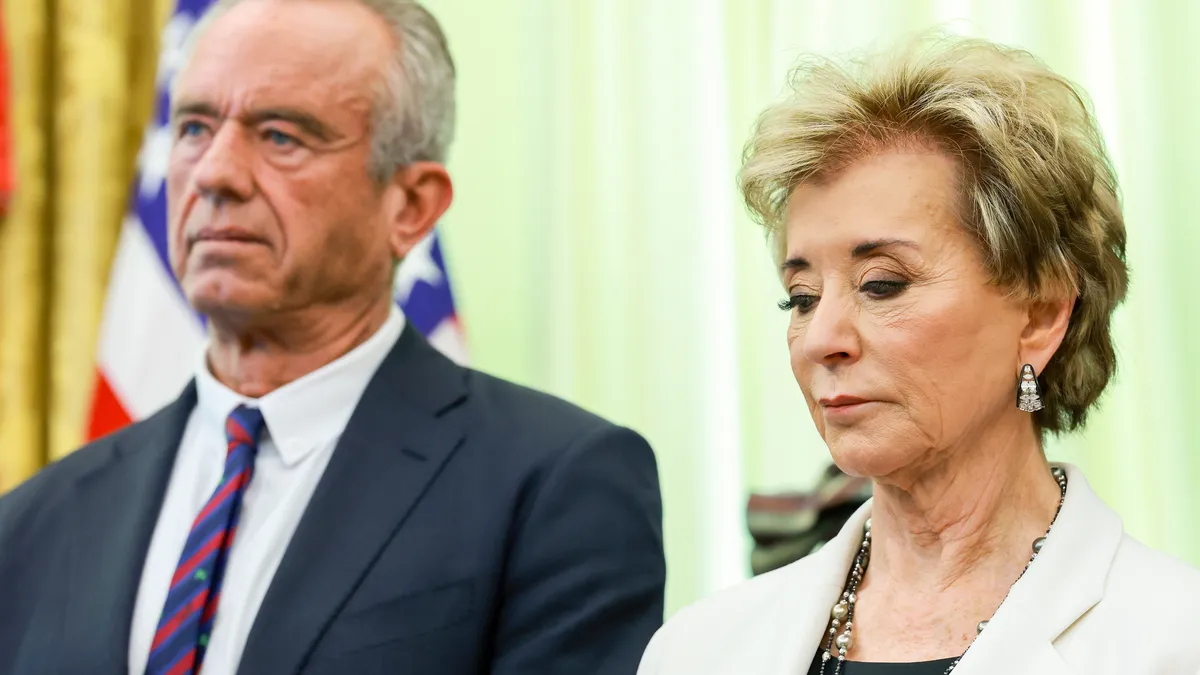
Robert F. Kennedy Jr. has defended the move, stating that it will “provide more efficient support for individuals with disabilities and their families.” In a recent address, he outlined the benefits of the transition, emphasizing that the unified approach under HHS would “strengthen education and employment outcomes” while “upholding the rights of individuals with disabilities.” His vision for the change includes a broader integration of services, though he has yet to address specific criticisms about the potential loss of expertise in the field.
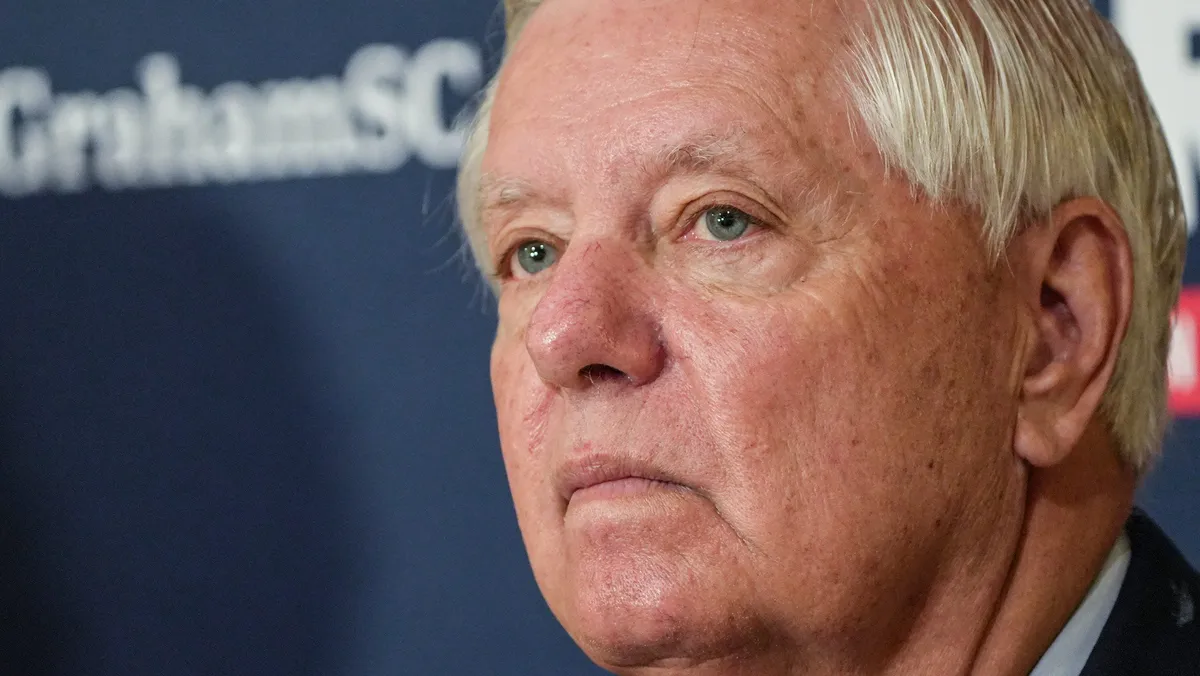
Opposition to the plan has emerged from within the Senate, notably from Senator Bill Cassidy, a Louisiana Republican who chairs the education committee. Cassidy, whose stance on Trump’s policies has grown more resolute since losing his primary race earlier this year, has publicly stated that the move should not proceed. During a June 17 meeting, he explicitly expressed his disagreement, saying, “I agree that the special education division should not be moved to HHS. Let me just put that on the record.” If the division must be relocated, Cassidy suggested the Labor Department would be a preferable alternative.
Cassidy’s resistance could influence the outcome of the vote, which is scheduled for next month. He has pledged to work with Senator Tim Kaine, a Democratic representative from Virginia, to introduce a resolution that would block the transfer. The bipartisan effort has gained traction, with several moderate Republicans, including Alaska’s Lisa Murkowski and Maine’s Susan Collins, joining the committee. Their involvement may help bridge the gap between parties, though the division remains contentious.
“He’s treated the Department of Education as if it’s a clearance sale at a thrift store,” Kaine remarked, criticizing Trump’s strategy to dismantle the agency without congressional approval. “This isn’t just about budget cuts—it’s about eroding the foundation of special education support.”
Kaine has framed the debate as a defense of the Education Department’s legacy, calling the special education office its “core mission” and urging lawmakers to preserve its autonomy. He argues that the transfer could weaken the agency’s ability to advocate for students with disabilities, particularly in light of RFK Jr.’s controversial views. “The special education division is the beating heart of the Department of Education,” Kaine said, “and moving it to HHS risks sidelining its vital role.”
While the administration has emphasized the benefits of the shift, some lawmakers remain wary of its implications. They point to the lack of transparency surrounding the timeline and the potential for bureaucratic inefficiencies. For instance, the Education Department has not yet provided a clear roadmap for the transition, leaving many questions about how the transfer will be executed. This ambiguity has raised concerns among educators and advocates, who fear the move could lead to delays in critical services.
Disability rights groups have also highlighted the importance of maintaining the Education Department’s direct oversight of special education programs. They argue that the department’s long-standing expertise in this area ensures that policies are tailored to the unique needs of students with disabilities. “Moving the program to HHS might introduce a top-down approach that doesn’t account for the nuances of individual cases,” said one advocate, speaking at a recent press event. “This could leave families struggling to navigate a more complex system.”
The debate reflects a broader ideological divide within the Senate. While RFK Jr. and other Trump allies advocate for centralized control and streamlined operations, opponents stress the need for decentralized, student-centered support. The proposed vote could become a test of whether Congress is willing to intervene in the administration’s reorganization efforts, particularly as the impact on disability services remains a focal point of the discussion.
As the July vote approaches, the stakes for both parties have risen. The outcome may not only determine the future of special education but also signal the direction of federal policy in the coming months. With Cassidy’s opposition and Kaine’s push for a bipartisan resolution, the Senate panel is positioned at the center of a critical decision that could reshape the landscape of disability support in the U.S.
Zachary Schermele, the congressional correspondent for USA TODAY, reported on the developments. Readers can contact him via email at zschermele@usatoday.com or follow his updates on X (@ZachSchermele) and Bluesky (@zachschermele.bsky.social). His coverage highlights the intersection of politics and education, offering insights into the evolving priorities of the Trump administration and their impact on vulnerable populations.
Key Considerations for the Special Education Transfer
The proposed transfer of special education functions from the Education Department to HHS raises several key questions about the future of federal support. First, how will the transition affect the availability of resources for students with disabilities? Second, will the shift lead to a more efficient delivery of services, as the administration claims, or will it create additional hurdles for families? Third, what role will the new interagency framework play in addressing disparities in access to education for children with special needs?
Supporters of the move argue that consolidating responsibilities under HHS could improve coordination between education and healthcare services. They note that students with disabilities often require a combination of academic and medical support, and a unified agency might better address these overlapping needs. However, critics counter that the Education Department’s specialized knowledge in this area is unmatched, and its removal could lead to a loss of advocacy for students who rely on federal programs.
Another critical factor is the potential for policy changes under HHS. While the administration has stated that the transfer will not impact current programs, the shift could open the door to new interpretations of eligibility criteria or funding priorities. For example, HHS might prioritize cost-saving measures over comprehensive support, which could disproportionately affect low-income families. This risk has been a central argument in the opposition’s case, as they fear the move could erode protections that have been in place for years.
Moreover, the transfer could have long-term implications for the Education Department’s structure. With the special education division being moved, the department may face further reductions in its workforce or budget, compounding the challenges it has already endured. Critics warn that this trend could continue, with other core functions being reassigned to different agencies in the future.
Despite these concerns, the administration remains confident in its strategy. They assert that the new framework will allow for more flexible and responsive programs, particularly in light of the growing demand for services. “The partnership between agencies will ensure that every student receives the care and support they need,” said a spokesperson for HHS. “This is a step toward a more integrated approach to education and health.”
As the Senate panel prepares to take action, the debate underscores the importance of preserving specialized federal oversight. The vote will not only decide the fate of special education but also set a precedent for how agencies can be restructured under the current administration. With the potential for significant changes on the horizon, the outcome of this decision could shape the future of educational policy for years to come.