Hard lessons Trump has learned in Iran. Like, where’s the exit?

Daftar Isi
Six Months Into Iran: The Pattern No Commander Wants to Repeat
Cybersecarmor.com – Every generation of American presidents walks into a Middle Eastern conflict expecting a clean, bounded operation. Every generation discovers, usually months into the fighting, that the exit door has been welded shut from the other side. President Donald Trump’s campaign against Iran, now approaching its half-year anniversary since the joint U.S.-Israeli strikes launched on February 28, is following that familiar script with uncomfortable precision.
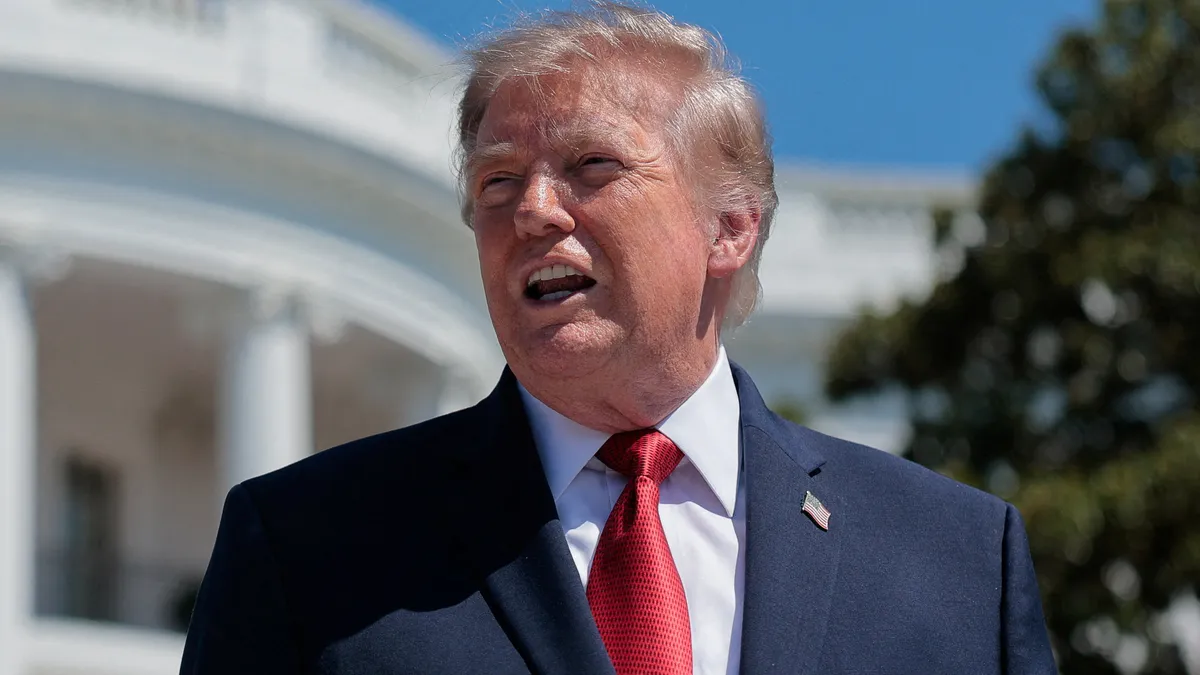
The operation, designated “Epic Fury,” was pitched to the public as a short, sharp intervention. Within three days of the first bombs falling, Trump told reporters at the White House that the timeline was already running ahead of schedule.
“We’re already substantially ahead of our time projections, but whatever the time is, it’s OK,” he said. Four to five weeks, he projected, “but we have capability to go far longer than that.”
That window has long since closed. The goals proved harder to pin down than the rhetoric suggested, and the conflict has metastasized into something messier, costlier, and more politically corrosive than its architects envisioned.
The Historical Mirror
The parallels to earlier entanglements are not subtle. Vietnam and Afghanistan each dragged on for more than 19 years. Iraq consumed over eight. In each case, the initial military dominance failed to convert into a swift strategic resolution, and the adversaries’ capacity to absorb punishment while their leaders clung to power allowed them to outlast American political will.
Two years after Richard Nixon pulled U.S. troops out of Vietnam in 1973, South Vietnamese allies capitulated to the Communist north. In Iraq, Barack Obama eventually negotiated a departure even as domestic support had already crumbled. Lyndon Johnson and Nixon struggled for years to find a negotiable off-ramp in Saigon. The arithmetic of withdrawal, once the conflict has embedded itself in regional politics, becomes nearly impossible to execute cleanly.
Trump himself knows this terrain from his first term, when he briefly surged troop levels in Afghanistan before negotiating a phased pullout. The experience should have sharpened his instincts about endgames. Instead, as Leon Panetta observed, it appears to have gone unheeded.
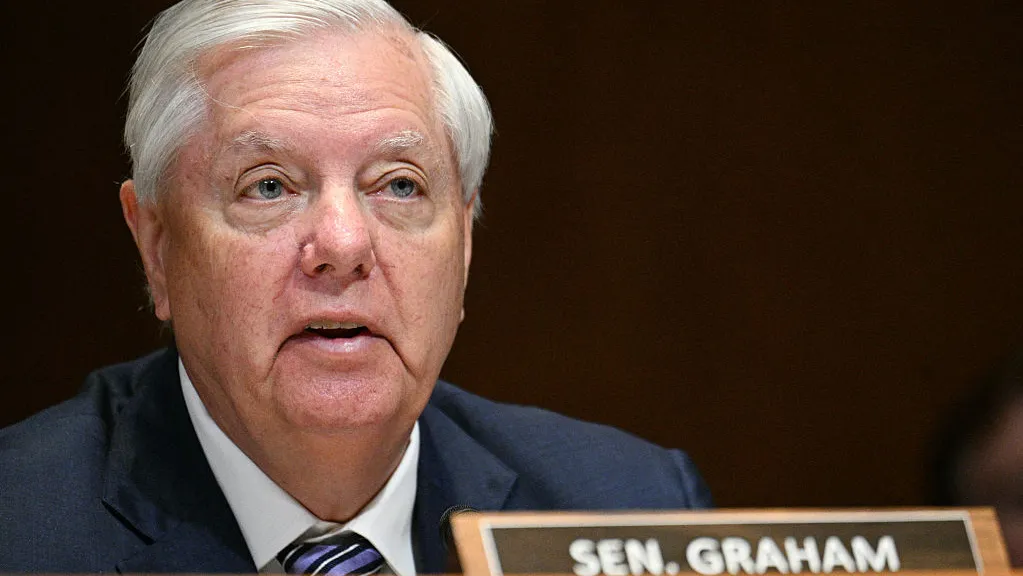
“This is a president who failed to learn the lessons from past presidents when it comes to a military deployment,” Panetta, who served as White House chief of staff under Bill Clinton and as Defense Secretary under Barack Obama, told USA TODAY. “He had no clear objective, no clear strategy to achieve that objective, and no endgame, and that has been the fundamental mistake that’s been made in the past Middle Eastern wars and is being made again in this war in Iran.”
What Has Changed on the Ground
To be fair, the Iranian campaign has not yet matched the duration or expenditure of those earlier wars. But it already carries the hallmarks of what commentators later labeled “forever wars” — the very category of entanglement that Trump campaigned against promising never to replicate.
Victory has not arrived quickly, and its shape remains uncertain. The president’s public claims of having decimated Iran’s armed forces have not stopped Tehran from answering with drone salvos and missile barrages. Domestically, voters remain unconvinced about why the war was started in the first place or how it is progressing. Approval ratings for the conflict have slid to new lows, according to polling released in August.
On the military side, many senior Iranian leaders have been killed. Yet the Islamic theocracy itself remains firmly in command. The nuclear program, already degraded by bombing strikes in 2025, has not been dismantled or rendered permanently inert. And a new complication has emerged: Tehran has managed to significantly disrupt shipping through the Strait of Hormuz, the narrow waterway that before the war carried roughly one-fifth of global oil and liquefied natural gas shipments under conditions of safe, free passage.
That disruption has roiled international energy markets and pushed gasoline prices upward across American pump stations. As long as Iran continues to defy both military and economic reprisals — and despite Trump’s declaration on social media that the strait was now “NEW U.S. Territory” — the White House will struggle to make a credible case that the mission is complete.
The Domestic Calculus
Americans appear braced for a long haul. More than eight in ten respondents in a Reuters/Ipsos poll conducted in August predicted that U.S. involvement in Iran “will go on for an extended period of time.” That expectation shapes congressional debates over appropriations, shapes the tone of town-hall meetings, and shapes the political risk any president faces when the next escalation arrives.
“Making sure Iran can’t make a nuclear weapon is very important to this country and the world,” veteran Republican pollster David Winston told USA TODAY. “But now at month six, there’s a sense of — given what was said when it started, why has it taken so much longer and what’s the plan?”
The question Winston names is the same one that haunted Washington during the final years of Vietnam, the long twilight of Afghanistan, and the post-Saddam scramble in Iraq. Military dominance in the opening weeks — which the United States has again achieved from the outset — does not, by itself, produce a quick strategic victory. What it produces is leverage, and leverage decays if the adversary’s leadership is willing to endure pain and its population is willing to endure the consequences.
For now, the exit that Trump projected four to five weeks ago remains invisible. The strait is contested, the nuclear question is unresolved, and the political cost at home is compounding with every passing week. The lessons his predecessors learned the hard way are available in every history textbook in the Pentagon. Whether they will be applied before the next anniversary of February 28 is the question that will define this chapter of his presidency.
Related Reading
Frequently Asked Questions
What is Hard lessons Trump has learned in Iran?
Hard lessons Trump has learned in Iran is the main topic of this guide. The article explains the context, practical details, and next steps readers should understand.
Why does Hard lessons Trump has learned in Iran matter?
Hard lessons Trump has learned in Iran matters because readers are looking for a useful answer, not just a short summary. Good content should match search intent and help them decide what to do next.