Doctor wakes up to bat in her mouth: ‘I thought I was still dreaming’

Daftar Isi
Midnight Bat Encounter Turns Richmond Doctor’s Nightmare Into a Public-Health Wake-Up Call
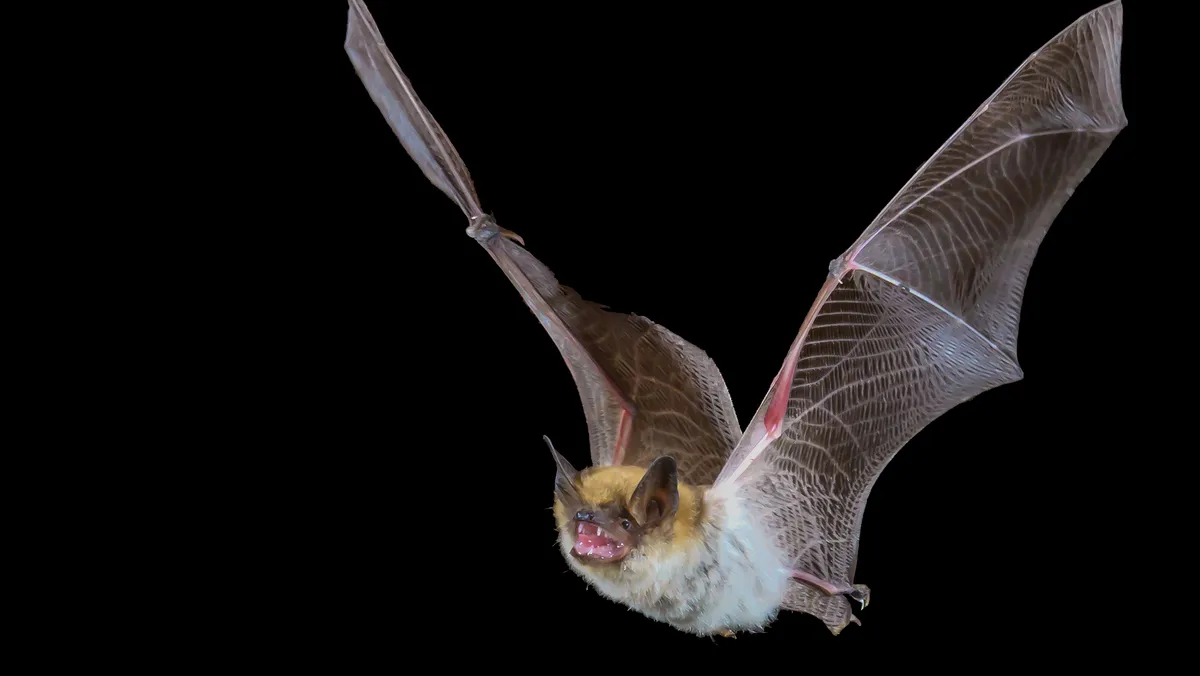
Cybersecarmor.com – For most physicians, the scariest moments of a career come from unexpected diagnoses or surgical complications. For Dr. Krista Edelman, a gastroenterologist practicing in Richmond, Virginia, the most unsettling experience of her professional life arrived at roughly 6 a.m. on August 20, when she opened her eyes to find a live bat wedged between her lips. What began as what she believed was a dream about a small rodent turned into a real, hairy, cool creature pressing against her teeth — and ultimately into a widely shared public-health message about the hidden dangers of sleeping near bats.
The Moment She Realized It Was Real
Edelman had been asleep beside her husband when the sensation prompted her to reach up and investigate. Her fingers closed around something soft and furry. For a split second, she assumed the episode was still part of a dream.
“I thought I was still dreaming,” Edelman recalled in a video she posted to her Instagram account. “It was like, my gosh, this is real life.”
The bat, she explained, appeared to be burrowing between her lips, attempting to work its way deeper into her mouth. She yanked it free and hurled it across the bedroom, then roused her husband to explain that a bat had been trying to enter her oral cavity. Far from dismissing the episode as a freak accident, the couple decided to capture the animal so it could be submitted for laboratory testing. The bat ultimately tested negative for rabies, but that result did not end the story.
Why a Negative Test Still Meant Treatment
Even with a confirmed-negative result, Edelman and her husband initiated a full course of post-exposure rabies prophylaxis. The reasoning is straightforward: bat bites are notoriously small, often leaving no visible puncture, scratch, or mark. A person who wakes with a bat in the room may have been bitten during sleep and never know it. Because rabies is a viral infection that invades the central nervous system and is nearly universally fatal once clinical symptoms appear, the threshold for seeking medical evaluation after any bat contact is deliberately low.
Edelman acknowledged that the episode humbled her. Despite years of medical training and daily clinical decision-making, she admitted she was not entirely certain of the correct immediate steps to take after waking with a bat lodged in her mouth.
“I think I know the basics of things,” she told a local television station. “And I was humbled about how I didn’t really know what to do in that situation.”
A Broader Pattern: Bat Exposure and Human Rabies
The Centers for Disease Control and Prevention identifies contact with infected bats as the leading cause of human rabies deaths in the United States. At least seven in ten Americans who die from rabies were infected by a bat. The virus transmits through saliva or nervous tissue of an infected mammal, most commonly via a bite wound. Because bat teeth are needle-fine, the resulting puncture can be smaller than a pinprick and heal within hours, leaving no trace that would alert the victim.
This invisibility of the bite is precisely what makes post-exposure guidance so critical. The CDC advises anyone who may have had direct contact with a bat — including waking to find one in the bedroom, on the face, or in the mouth — to seek medical attention promptly. A clinician or public-health official can then weigh the circumstances and determine whether a rabies post-exposure prophylaxis regimen is warranted.
A Canadian Tragedy That Sharpened the Warning
The stakes of that guidance became painfully concrete in 2024, when an 11-year-old boy in northern Ontario woke at a family cottage to find a bat resting across his nose and mouth. No visible bite or scratch was apparent, so his family did not initially seek medical care. Approximately nineteen days later, he developed facial numbness and vomiting. His condition deteriorated rapidly, and physicians ultimately diagnosed rabies. He died after more than two weeks of hospitalization. The case was published in the Canadian Medical Association Journal and underscored that the absence of a visible wound does not rule out transmission.
From Personal Shock to Public-Health PSA
Edelman chose to turn her own frightening experience into what she called “a bat PSA,” posting a video to her Instagram page that has since accumulated more than a million views and thousands of comments. In it, she urged viewers to take possible bat exposures seriously rather than shrugging them off.
“If you are exposed or if you’re sleeping and there’s a bat around, you don’t know if it could have bit you or had contact,” she said. “You need to be proactive.”
Her message distills to a single practical rule: if a bat enters a room where someone is sleeping, do not assume safety simply because no obvious bite or scratch is visible upon waking. Contact a medical provider or local public-health authority and let trained professionals determine whether rabies treatment is necessary. The window between exposure and symptom onset can span weeks, and once neurological signs appear, effective treatment becomes exceedingly rare.
For Edelman, a bizarre and frightening moment in the middle of the night became a reminder that wildlife encounters carry risks that are not always immediately visible — risks that demand a measured, informed response rather than quiet dismissal. In a region where bats roost in attics, crawl under eaves, and occasionally slip through open windows into bedrooms, that reminder carries particular weight for Virginia households heading into the warmer months when bat activity peaks.
Related Reading
Frequently Asked Questions
What is Doctor wakes up to bat in her?
Doctor wakes up to bat in her is the main topic of this guide. The article explains the context, practical details, and next steps readers should understand.
Why does Doctor wakes up to bat in her matter?
Doctor wakes up to bat in her matters because readers are looking for a useful answer, not just a short summary. Good content should match search intent and help them decide what to do next.