Another ICE shooting in the news. Here’s what to do if you’re stopped

Understanding Your Rights During an ICE Encounter
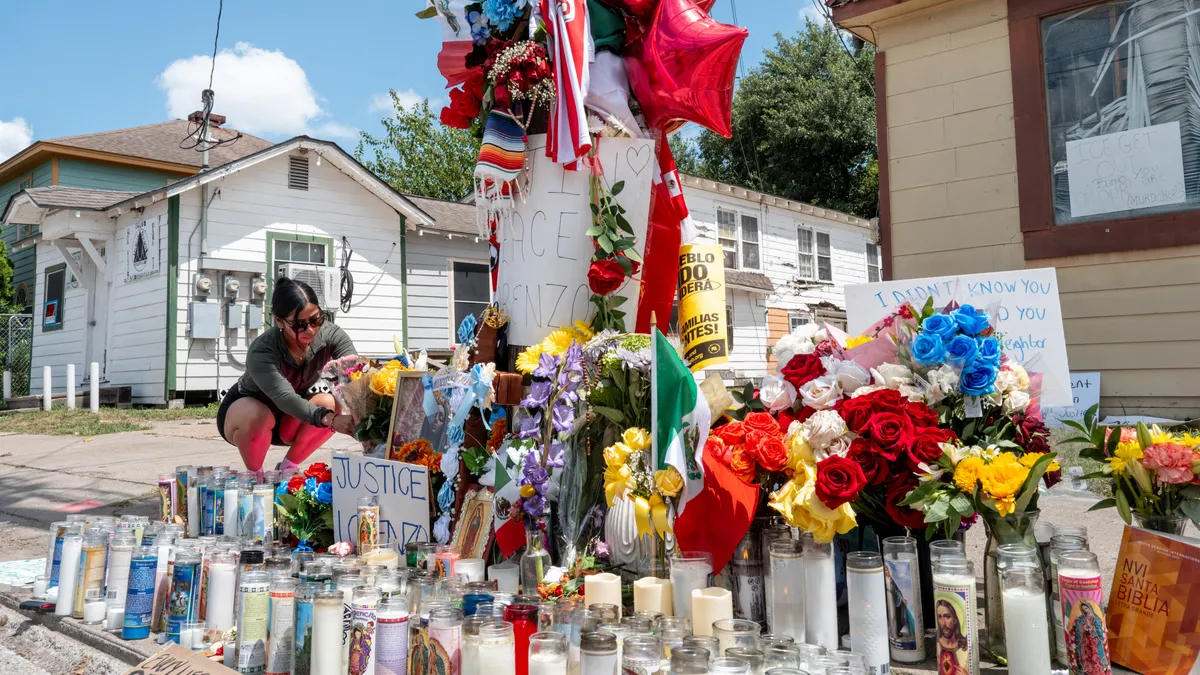
Cybersecarmor.com – A recent tragic incident in Houston has once again brought attention to the potential dangers that can arise when individuals come into contact with federal immigration enforcement. The shooting of Lorenzo Salgado Araujo serves as a stark reminder of how quickly a routine interaction can escalate into a fatal confrontation.
Conflicting Accounts of the Houston Shooting
The events leading to the death of Salgado Araujo on July 7 have generated considerable debate among witnesses and officials alike. While immigration authorities have presented one version of what transpired, multiple passengers who were in the van at the time have offered a completely different perspective on the circumstances.
According to federal officials, the 52-year-old man allegedly used his vehicle as a weapon and attempted to strike an officer with it. However, those traveling with him have firmly rejected this characterization, calling the official account “simply false.” Houston Mayor John Whitmire provided additional context, noting that Salgado Araujo was being pursued by an unmarked vehicle and had not yet had the opportunity to identify himself when the incident occurred.
A Pattern of Incidents
This Houston case is not isolated. It joins a growing list of similar tragedies involving immigration enforcement. The death of Renee Good in Minneapolis and the killing of Silverio Villegas-Gonzalez in Chicago represent other instances where encounters with federal authorities resulted in loss of life. These cases collectively highlight concerns about how immigration officers conduct their duties in public spaces.
How ICE Differs from Local Law Enforcement
One important distinction that many people overlook involves the different roles played by federal immigration officers compared to local police departments. While citizens are accustomed to seeing municipal officers conducting standard traffic stops, ICE operates under different parameters.
The American Immigration Council explains that immigration authorities generally cannot initiate stops for ordinary traffic violations. Instead, they may detain a vehicle when they possess reasonable suspicion that a federal law has been broken. This includes situations where officers believe someone inside the vehicle may be present in the United States without proper authorization.
Guidance from Civil Rights Organizations
When faced with an ICE encounter, several advocacy groups have compiled recommendations to help individuals protect themselves. The American Civil Liberties Union emphasizes that maintaining composure, providing honest answers, and demonstrating cooperation can be beneficial during such interactions.
ACLU says that immigration officers cannot enter your home without consent or a signed warrant.
However, there is an important nuance regarding home visits. While ICE maintains that it does not require a traditional judicial warrant to enter private residences, the agency can utilize administrative warrants that are signed by immigration officials. Some legal experts have criticized this practice as potentially violating constitutional protections.
Identifying the Right Warrant
The National Immigrant Justice Center has developed visual guides to help people distinguish between a warrant issued by a judge and one signed by ICE administrators. Understanding this difference can be crucial when officers arrive at your door.
If immigration officers come to your residence, the ACLU recommends several steps. First, you have the right to ask for identification and to verify the warrant’s authenticity. Second, you may refuse entry if the warrant is not properly signed by a judge. Third, you should remain calm and document the interaction as much as possible.
These guidelines represent just some of the information that civil rights organizations want the public to understand. As immigration enforcement continues to evolve, knowing your rights can make a significant difference in how encounters are handled and what outcomes they produce.