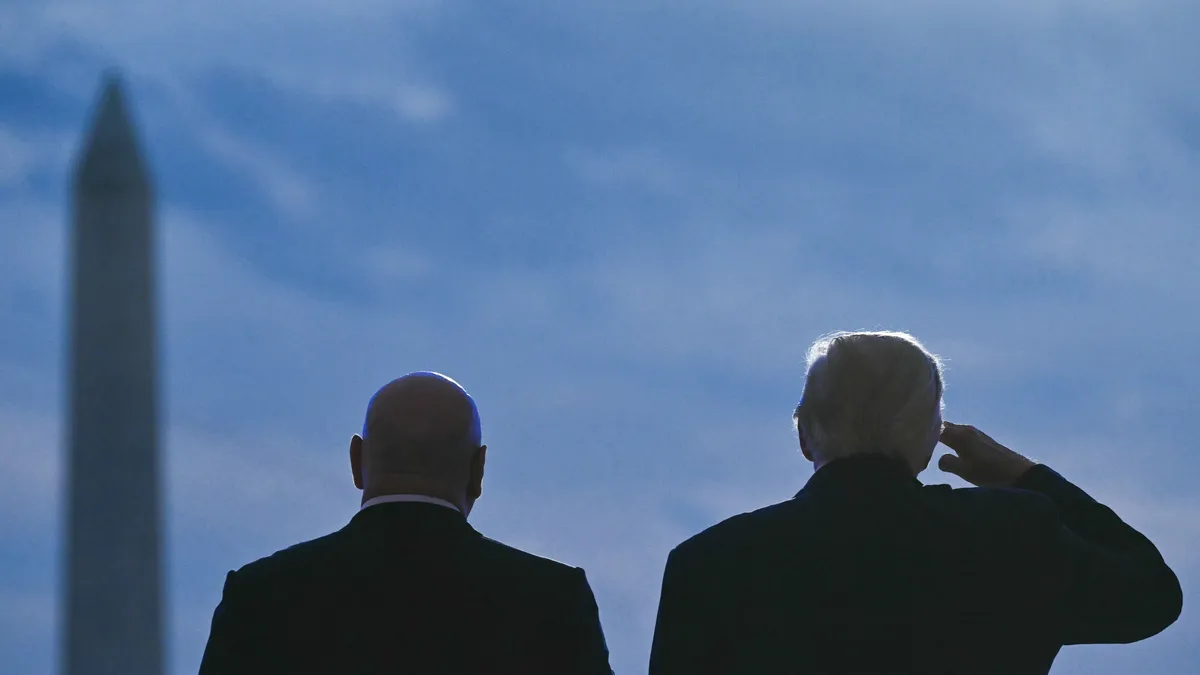
America is in a mood on the cusp of our 250th birthday

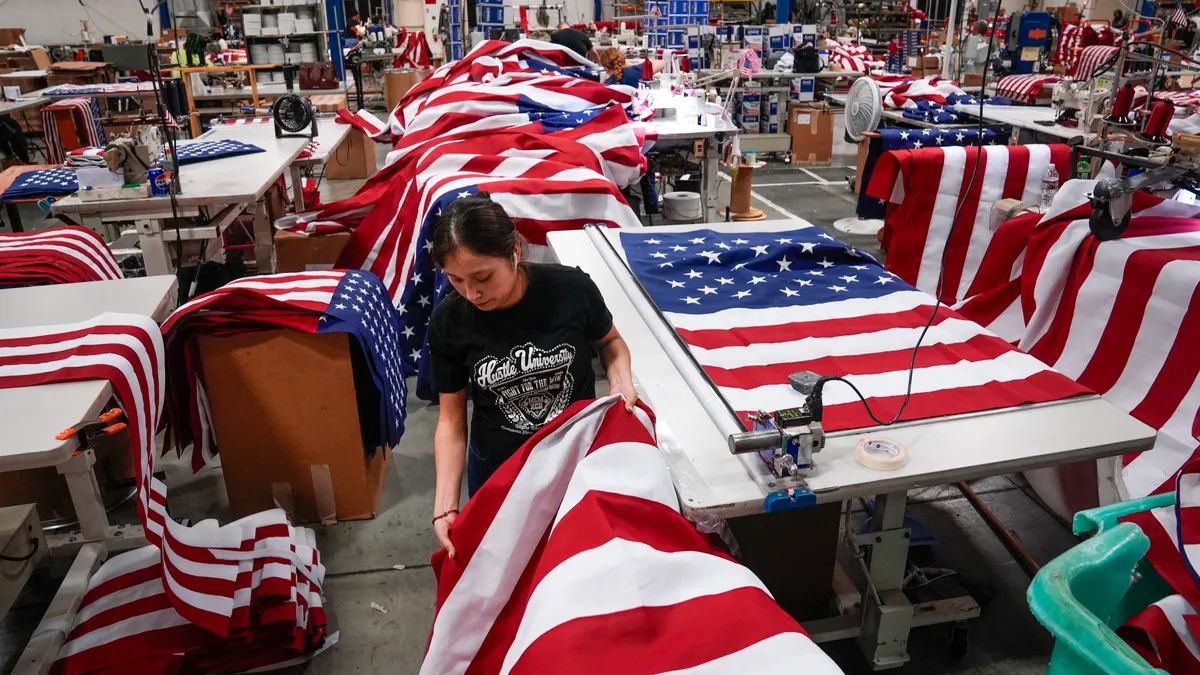
America is in a mood on the cusp of our 250th birthday
A Nation in Uncertainty
Cybersecarmor.com – As the U.S. nears its 250th year, a recent wave of surveys reveals a stark contrast between the nation’s historical milestones and its current emotional state. While the Declaration of Independence marks the birth of the world’s oldest modern constitutional democracy, most citizens now express dissatisfaction with the present and apprehension about the future. The upcoming centennial celebration has become a canvas for both pride and unease, reflecting a deeper divide in how Americans perceive their country’s trajectory.
Analyses of public sentiment indicate that a majority of respondents foresee a future marked by challenges rather than triumphs. Recent polls suggest that Americans are not only anxious about the next chapter of their nation but also skeptical about the possibility of returning to a golden era. This shift in perspective is notable, as past anniversaries often inspired a brief surge of collective optimism, even if it was overshadowed by subsequent hardships.
Historical Echoes of Division
The current climate of uncertainty is not unprecedented. The centennial of 1876, for instance, occurred amid the nation’s recovery from the Civil War, a period that left deep scars on society. At the official ceremony in Independence Hall, suffragist Susan B. Anthony boldly stepped onto the stage, uninvited, to voice her demands for women’s rights to a gathering of dignitaries. Her act symbolized the tension between celebration and the unresolved struggles of the era.
Similarly, the bicentennial in 1976 took place in the shadow of the Vietnam War and the Watergate scandal, which had forced President Richard Nixon to resign. The celebrations were led by Gerald Ford, the only U.S. president to ever assume office without being elected to the presidency or vice presidency. Despite these challenges, the bicentennial managed to unite people in a shared sense of national identity, even as it grappled with the complexities of its history.
“Many generations of Americans always took the founding as an opportunity to agitate for more rights,” said Carol Faulkner, a historian at Syracuse University who has studied such commemorations. “This might be a time of thinking about liberty, equality, the pursuit of happiness.”
Yet, Faulkner noted, this year’s celebrations differ in their tone. “It’s much more partisan,” she remarked. “It’s really much more about a divisive president than the 1876 or 1976 commemorations.” The current moment is defined by a sharp ideological split, with events that once celebrated national unity now becoming arenas for political rivalry.
Partisan Tensions in the 250th Anniversary
The semiquincentennial of the Declaration of Independence has arrived after two decades of upheaval. The 2008 financial crisis, the 2020 pandemic, and the chaotic withdrawal from Afghanistan in 2021 have left many citizens feeling disillusioned. Meanwhile, the reshaping of political landscapes since 2016, driven by President Donald Trump’s populist policies, has further entrenched divisions within the country.
Trump’s influence is evident in the way the anniversary is being commemorated. While Congress established a bipartisan group, America250, to oversee the events, the president has formed his own organization, Freedom 250, to lead the most prominent activities. This move has raised concerns among critics, who argue that the celebrations have become tools for promoting his legacy rather than reflecting the nation’s broader aspirations.
Some states have opted out of participating in Washington, D.C., events, while prominent entertainers have canceled appearances at the festivities. Even community-driven initiatives have taken on a political edge, with certain programs being framed as either supporting or challenging the current administration. This polarization is reshaping how the nation’s history is celebrated and remembered.
Shifting Public Sentiment
Survey data underscores the contrast between past and present. In 1976, 43% of respondents expressed optimism about the country’s future, with 15% voicing pessimism—a 28-point gap in favor of hope. Today, however, a Emerson College poll shows a dramatic shift: pessimism has surged by 26 points to 41%, while optimism has dropped to 42%, leaving a narrow one-point advantage for the positive outlook.
Another survey from Elon University highlights a more critical view of the nation’s founding principles. Seven in 10 participants believed the signers of the Declaration of Independence would feel more disappointment than pride about modern American democracy. This sentiment reflects a growing perception that the current system falls short of the ideals enshrined in the nation’s origins.
A Political Landscape in Transformation
The 250th anniversary comes at a time of profound political transformation. The rise of democratic socialists like New York Mayor Zohran Mamdani and Congresswoman Alexandria Ocasio-Cortez has added new dimensions to the Democratic Party, emphasizing progressive values and social equity. Meanwhile, the Republican Party has evolved under Trump’s leadership, adopting a more assertive and populist stance that contrasts with its earlier moderate image.
These shifts have created a dynamic political environment where traditional celebrations are no longer neutral. For example, the UFC cage match held on June 14 at the White House South Lawn was framed as a symbolic gesture of national pride, but critics argued it prioritized Trump’s personal brand over collective reflection. Similarly, the Great American State Fair on the National Mall became a focal point for debates over how the anniversary is being interpreted.
Public sentiment toward the festivities has also become polarized. While some see the events as a chance to honor the nation’s heritage, others view them as a platform for partisan messaging. This duality is evident in the way media coverage and cultural symbols are being used to reinforce either unity or division. The iconic image of a dyspeptic George Washington, drenched in confetti and holding a martini, captured this sentiment, with the caption “Red, White, and Kinda Blue” serving as a metaphor for the nation’s fractured identity.
Despite the challenges, the anniversary remains a significant moment for reflection. It invites Americans to reconsider the values that have shaped their country and the path it has taken over the past two and a half centuries. Whether this moment will be remembered as a time of renewed purpose or as another chapter of uncertainty depends on how the nation chooses to engage with its history in the present day.
A Future of Uncertainty
As the United States stands on the brink of its 250th year, the air is thick with both hope and doubt. While the nation has weathered numerous crises, the current climate of anxiety suggests that the challenges of the past may be more persistent than anticipated. The anniversary offers a rare opportunity to reevaluate the progress made and the obstacles that lie ahead, but it also highlights the deepening ideological rifts that define modern American society.
For many, the celebrations are a reminder of the nation’s resilience. Yet, they also serve as a mirror to its present anxieties. As the fireworks light up the sky on July Fourth, the question remains: will these events inspire a collective spirit of renewal, or will they reinforce the divisions that have come to define this era? The answer may lie in how Americans choose to interpret their history and project their vision for the future.