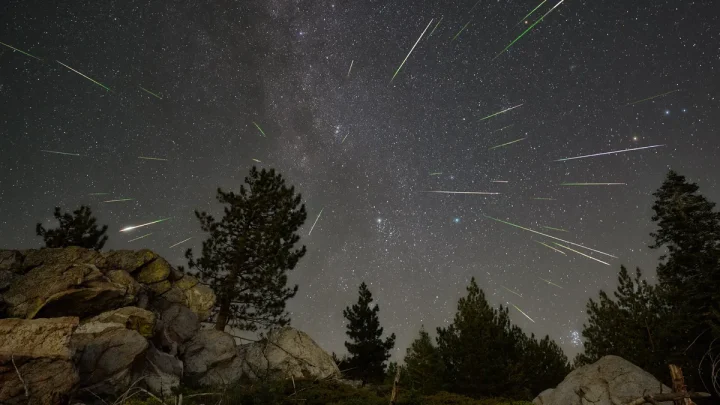
Meteor shower activity is coming this July. When to look up

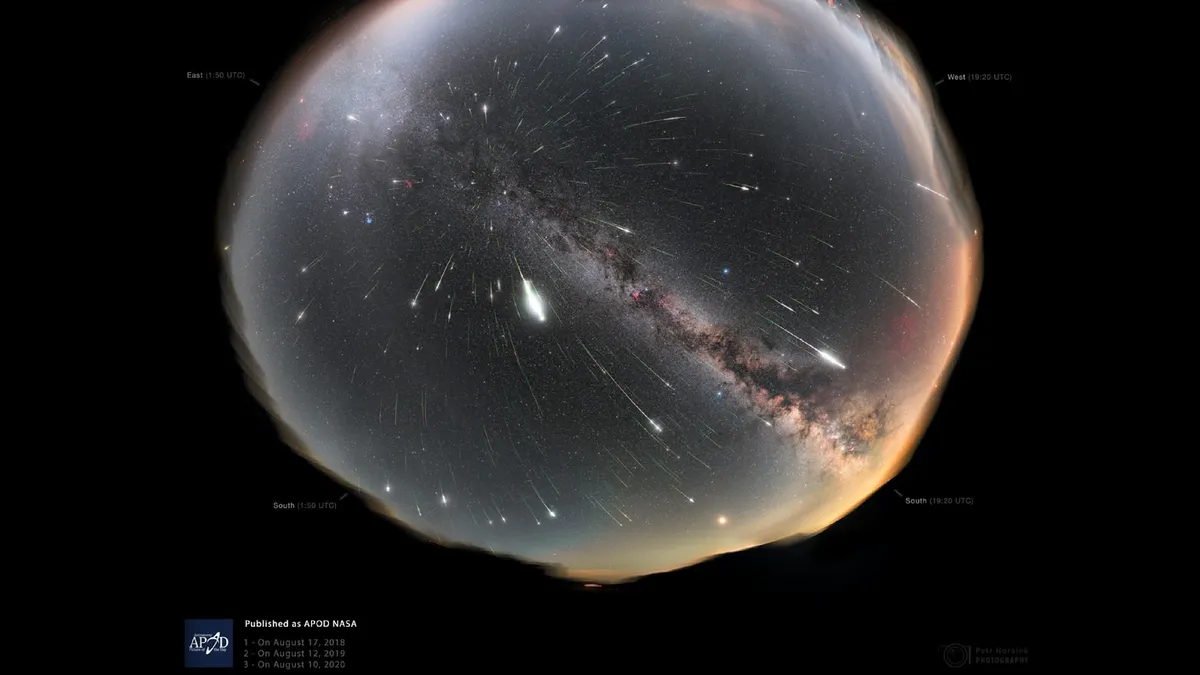
July Skywatchers: Two Spectacular Meteor Showers Await
Cybersecarmor.com – Prepare to gaze upward, because the summer skies are about to deliver a celestial spectacle. July brings with it an abundance of shooting stars as two prominent meteor showers begin their annual dance across the heavens. These cosmic events will illuminate our nights through the month of August, offering multiple opportunities for enthusiasts to witness meteors streaking overhead.
While some of these atmospheric displays are famous for producing brilliant fireballs, others can generate dozens of individual meteors each hour when viewed under pristine, dark conditions. Whether you are a seasoned astronomer or a casual observer, these showers provide accessible entertainment for anyone willing to step outside and look up.
The Perseids: A Northern Hemisphere Favorite
One of the most celebrated celestial events in the Northern Hemisphere, the Perseid meteor shower, runs from July 17 through August 24. According to the American Meteor Society, the frequency of meteors increases steadily each night, reaching its maximum intensity on the night of August 12 and continuing into the early morning hours of August 13.
This year presents particularly favorable viewing conditions for Perseid enthusiasts. The peak coincides with a dark New Moon, meaning minimal lunar interference will allow observers to see more meteors than usual. Under dark rural skies, dedicated skywatchers may witness between 30 and 50 shooting stars per hour during peak activity.
For optimal viewing, experts recommend heading outdoors during the pre-dawn hours. At this time, the shower’s radiant—the specific point in the sky from which meteors appear to originate—reaches its highest position above the horizon. This elevation makes the meteors easier to spot and track across the sky.
The Perseids trace their origins to Comet Swift-Tuttle, which was identified in 1862 by American astronomers Lewis Swift and Horace Tuttle, as documented by NASA. As this comet follows its orbital path around the Sun, it deposits a continuous trail of dust and debris. Each year when Earth intersects this debris stream, the particles enter our atmosphere at high speed, burning up and creating the brilliant streaks of light we recognize as Perseid meteors.
Southern Delta Aquariids: A Steady Summer Display
Running parallel to the Perseids, the Southern Delta Aquariids meteor shower remains active from July 12 through August 23. The American Meteor Society predicts this shower will reach its peak on July 30 and 31. Unlike many meteor showers that feature a sharp, concentrated maximum, the Southern Delta Aquariids offer a more gradual and sustained display.
EarthSky notes that this shower produces a fairly consistent rate of meteors from late July into early August. This steady pattern allows it to overlap with and complement the annual Perseid shower, giving observers extended viewing opportunities during this busy period.
Under ideal conditions—a dark sky completely free of moonlight—observers can expect to see approximately 15 to 20 meteors per hour. However, this year presents a slight challenge. A bright waning gibbous moon will be present during the peak, potentially reducing the number of visible shooting stars for some observers.
Like other meteor showers, the Southern Delta Aquariids originate from a comet. Scientists have identified Comet 96P/Machholz as the parent body responsible for this display. First discovered in 1986, this comet is known for leaving behind a substantial trail of dust and debris as it completes its journey around the Sun, according to EarthSky.
Viewing Tips for Maximum Enjoyment
Whether you are watching the Perseids or the Southern Delta Aquariids, certain practices can enhance your experience. Allow your eyes at least 20 minutes to adjust to the darkness before beginning your observations. Bring a comfortable reclining chair or blanket to lie on, and avoid looking at bright screens or phones that can disrupt your night vision.
Find a location away from city lights whenever possible. Even distant urban glow can diminish the number of meteors you observe. If you cannot escape to the countryside, simply facing away from the brightest light sources will help. Patience is essential, as meteors appear randomly and may seem scarce before suddenly arriving in clusters.
Both showers offer excellent opportunities for casual observation, requiring no special equipment beyond your own eyes. Simply step outside, find a comfortable spot, and let the summer sky deliver its annual gift of cosmic fire.