Warren Buffett steps down as Berkshire chair

Daftar Isi
Warren Buffett Moves Into Chairman Emeritus Role at Berkshire Hathaway
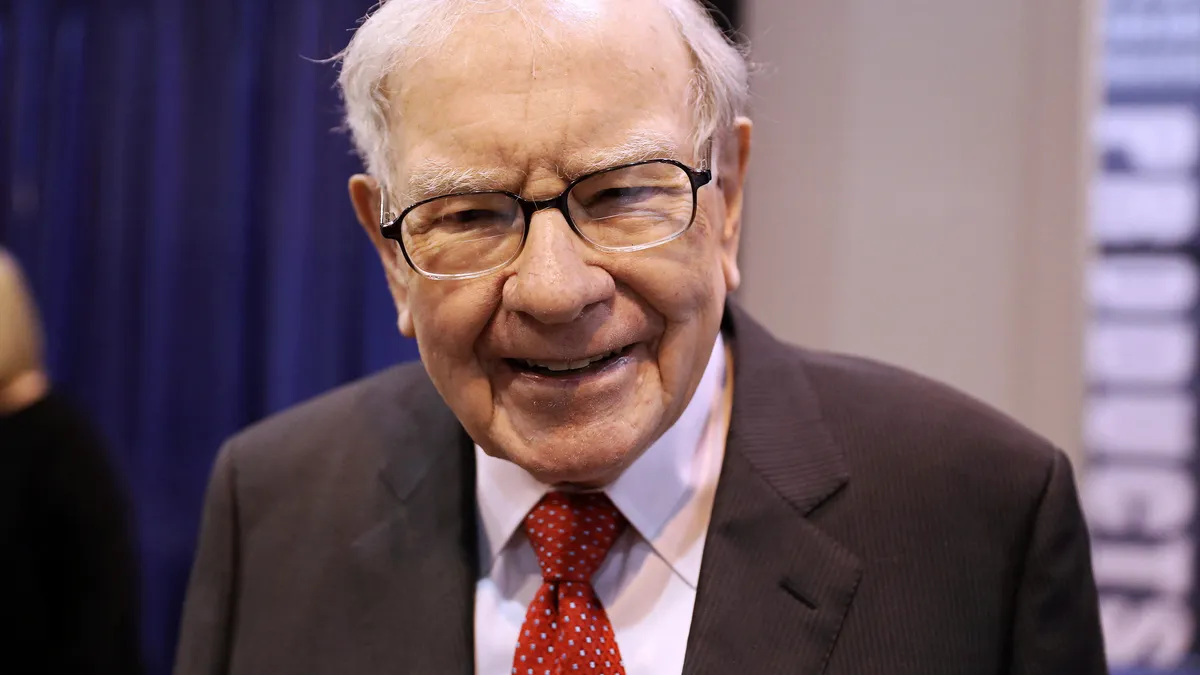
Cybersecarmor.com – Warren Buffett has stepped away from the chairman’s position at Berkshire Hathaway, marking another major transition for the company he transformed into one of the world’s largest conglomerates. The change took effect immediately on Friday, Sept. 18, with Buffett taking the title of chairman emeritus.
The 96-year-old investor had already relinquished the chief executive role earlier this year, passing day-to-day leadership to Greg Abel, his longtime deputy. Berkshire has now named Buffett’s son, Howard Buffett, as chairman. Howard Buffett has served as a Berkshire director since 1993.
“Father Time always wins. He has, however, been generous with me,” Buffett wrote to shareholders.
Although he is no longer chairman, Buffett will retain a seat on Berkshire Hathaway’s board and remain available to offer guidance. The company said his judgment and perspective will continue to be valuable as Berkshire moves forward under its new leadership structure.
A Historic Leadership Change
For decades, Buffett’s identity and Berkshire Hathaway’s identity have been closely connected. His investment decisions, shareholder letters and annual meetings turned the Omaha, Nebraska-based company into an institution followed by investors, executives and business students around the world.
Buffett first disclosed plans to move away from leading the conglomerate in May 2025. Even at his advanced age, the announcement caught many shareholders and market observers off guard because of his unusually long tenure and the central role he played in Berkshire’s public image.
Greg Abel, who became CEO after Buffett’s earlier departure from that role, emphasized that the company’s operating philosophy will remain intact. Berkshire’s culture has long centered on patient ownership, decentralized management and a willingness to deploy capital only when opportunities meet its standards.
“The culture Warren built and the values he championed will remain at the heart of Berkshire, and Howard will be their guardian,” Abel said.
The appointment of Howard Buffett provides a family connection at the board level while Abel oversees the company’s business operations. The arrangement also reflects Berkshire’s effort to preserve the principles established under Buffett without suggesting that the company’s future depends on one individual.
A Conglomerate Built Over Generations
Buffett helped build Berkshire Hathaway into a conglomerate valued at roughly $1.03 trillion. Its collection of businesses spans industries that touch millions of consumers, from Geico auto insurance and BNSF railway operations to Berkshire Hathaway Energy, Dairy Queen, Fruit of the Loom and Squishmallows.
That breadth has long been a defining feature of Berkshire. Rather than concentrating on a single sector, the company owns operating businesses alongside a large investment portfolio. Its approach has allowed Berkshire to generate earnings from insurance, transportation, utilities, manufacturing, retail and consumer products.
For shareholders, the latest leadership change is significant because Buffett’s influence has extended beyond stock selection. He shaped Berkshire’s approach to acquisitions, capital allocation and management autonomy. Company leaders have generally been given broad authority to run their own businesses, while Berkshire’s top executives decide how profits should be reinvested, held in cash or returned through share repurchases.
Buffett’s long-standing emphasis on disciplined investing also made him a trusted voice during periods of financial stress. Corporate leaders frequently sought his views on succession planning, major purchases and uncertain markets. Berkshire’s annual shareholder gathering became a major event for investors looking for lessons about business performance and the wider economy.
Financial Strength During the Transition
Berkshire enters this new chapter after reporting stronger-than-expected results. In August, the company said it had begun drawing down part of its massive cash reserve during the second quarter. It invested billions of dollars in stocks, including Alphabet, and spent billions buying back Berkshire shares.
Quarterly operating earnings climbed 16% to $12.98 billion, exceeding analyst expectations. Net income rose to $25.67 billion, more than twice the prior level. That figure included unrealized gains and losses on stock holdings that Berkshire still owned, a reminder that net income can move sharply with changes in market values.
The company’s operating profit is often watched closely because it reflects the performance of Berkshire’s underlying businesses more directly than investment-related gains and losses. The latest results suggest that the company’s diverse operations remained a substantial source of earnings as leadership responsibilities shifted.
Buffett’s move to chairman emeritus does not erase his presence from Berkshire, but it formalizes a transition investors have anticipated for years. Abel now carries responsibility for leading the conglomerate’s operations, while Howard Buffett takes the chairman’s role and Warren Buffett remains on the board.
The succession will be closely watched because Berkshire has been built over many decades around a distinctive investment discipline and corporate culture. Its future performance will depend on whether those principles continue to guide decisions across an organization whose businesses range from railroads and energy systems to insurance policies, ice cream shops and consumer brands.
Related Reading
Frequently Asked Questions
What is Warren Buffett steps down as Berkshire?
Warren Buffett steps down as Berkshire is the main topic of this guide. The article explains the context, practical details, and next steps readers should understand.
Why does Warren Buffett steps down as Berkshire matter?
Warren Buffett steps down as Berkshire matters because readers are looking for a useful answer, not just a short summary. Good content should match search intent and help them decide what to do next.