This intense exchange with Trump’s surgeon general pick is going viral. Why?

Daftar Isi
Nicole Saphier’s MMR Vaccine Answers Draw Attention at Surgeon General Hearing
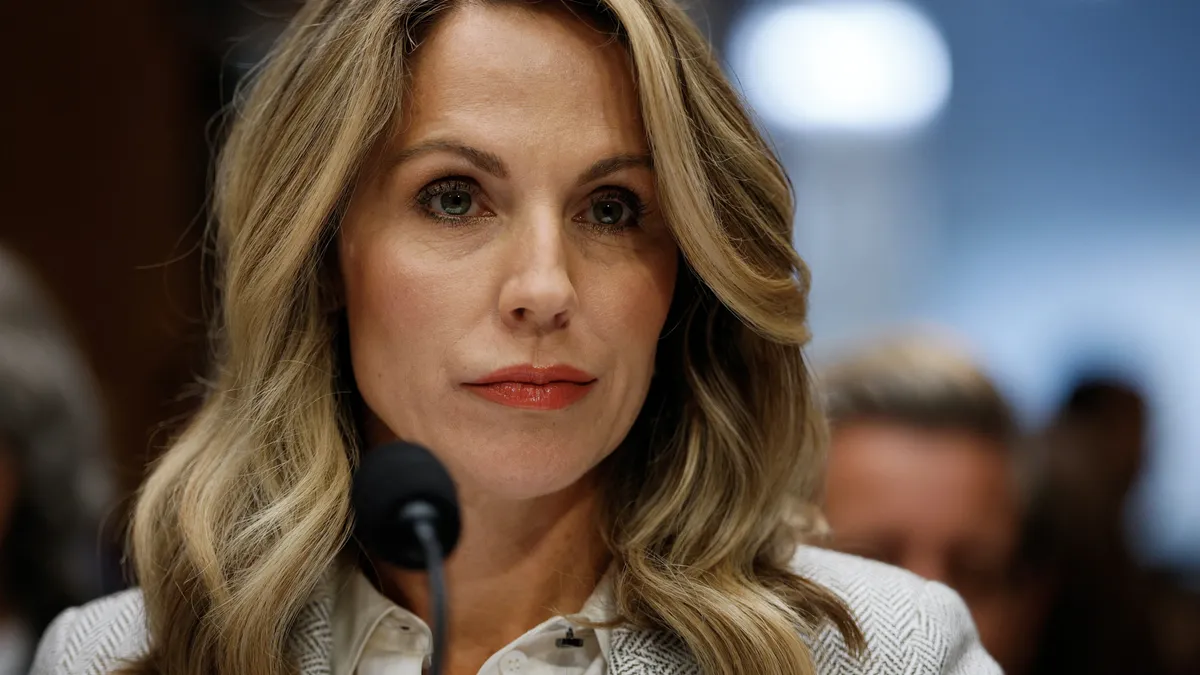
Cybersecarmor.com – Dr. Nicole Saphier faced pointed questions about vaccines during her Sept. 16 confirmation hearing to become U.S. surgeon general, as lawmakers pressed her to state plainly whether the MMR vaccine causes autism.
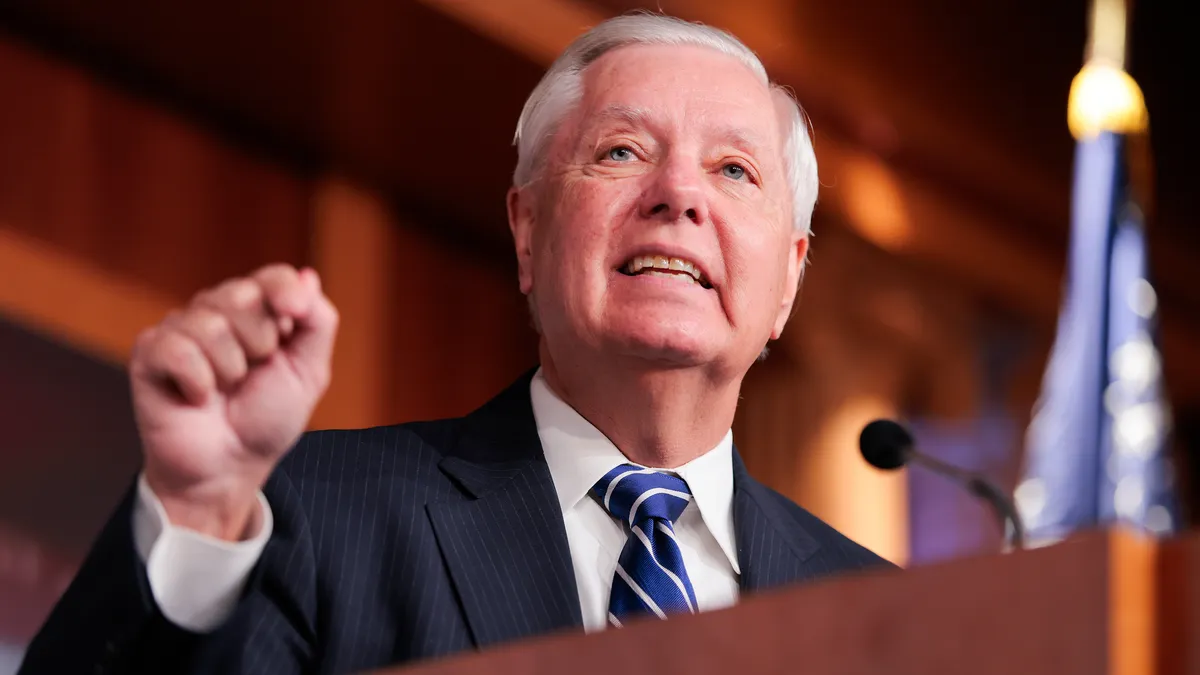
Saphier, a breast radiologist and Fox News contributor since 2018, is President Donald Trump’s latest nominee for the country’s top public-health physician position. Her exchange with Sen. Bill Cassidy, the Louisiana Republican who chairs the committee and is also a physician, quickly became a focus of online discussion.
Questions centered on autism claims
The MMR vaccine protects children against measles, mumps and rubella. Cassidy asked Saphier whether she could assure parents that credible research does not link vaccines to autism.
“Humbly, I don’t know what causes autism, but I have not seen repeatable evidence that would suggest that vaccines cause autism,”
Cassidy challenged her to make the answer more definitive, saying he was concerned by wording that might leave room for future actions contrary to vaccine science. He then referred to a past statement by the president and asked whether MMR was “extremely lethal.”
Saphier said she could not speak for Trump, but gave her own medical view.
“As a physician, I can tell you that I do not believe the MMR vaccine to be lethal. I believe the MMR vaccine is our greatest tool for combating measles.”
When Cassidy again asked whether the vaccine causes autism, Saphier responded directly:
“I do not believe childhood vaccines cause autism.”
Why the exchange spread online
Social-media reactions reflected both agreement and frustration over the conversation’s wording. Some viewers felt the two were broadly aligned on the value of vaccination but differed over how plainly Saphier should answer a question that has remained at the center of public debate for decades.
One commenter wrote that Cassidy appeared frustrated because Saphier was not simply saying that MMR does not cause autism. Another argued that Saphier had already made her position clear and that Cassidy continued to demand the same answer.
Others used the discussion to share personal experiences related to autism. One parent wrote that autism should not be blamed on mothers or parents, describing it as a genetic disorder. Another commenter defended Saphier’s response, while a separate reaction rejected it with a single word: “Lies.”
The strong reaction illustrates how vaccine questions remain politically and emotionally charged, even though medical experts have long maintained that the MMR shot is safe and effective. The claim connecting MMR vaccination with autism has been repeatedly rejected by scientific and medical authorities.
Measles resurgence raises the stakes
The hearing came as the United States confronts its largest measles resurgence in more than 30 years, a trend linked largely to insufficient vaccination coverage. Dr. Mehmet Oz, who leads the Centers for Medicare and Medicaid Services, has urged parents to have their children vaccinated amid the rise in cases.
For decades, MMR vaccination has helped protect millions of children from illnesses that can lead to severe complications. Serious vaccine reactions, including seizures, are uncommon.
Dr. Julia Rosebush, an associate professor and pediatric infectious-diseases specialist at the University of Chicago, emphasized the danger posed by declining immunization rates during an Aug. 21 briefing organized by the Infectious Diseases Society of America. Measles, she said, is among the most contagious diseases known.
“A single unvaccinated child in a school full of unvaccinated classmates can start an outbreak that spreads to dozens of families within days,”
Pennsylvania has recorded four measles-related deaths this year. Some of those deaths prompted political debate after Health Secretary Robert F. Kennedy Jr. initially questioned whether the virus had caused them.
Major medical organizations have warned that administration statements about vaccines, along with efforts to reduce the number of childhood immunizations recommended by the government, may contribute to greater vaccine hesitancy. Lower coverage can make outbreaks more difficult to contain, particularly in schools and communities where many children lack protection.
A key question for the nominee
Cassidy later asked Saphier whether parents should vaccinate their children against measles, mumps and rubella. Her earlier testimony had already framed MMR as a crucial defense against those infections and a means of protecting both individual children and the wider population.
The exchange underscored the scrutiny awaiting any surgeon general nominee during a period when public-health messaging carries immediate consequences. For parents, the central issue remains practical: vaccination decisions affect not only one child’s risk but also the ability of schools and communities to prevent highly contagious diseases from spreading.
Related Reading
Frequently Asked Questions
What is This intense exchange with Trump s surgeon?
This intense exchange with Trump s surgeon is the main topic of this guide. The article explains the context, practical details, and next steps readers should understand.
Why does This intense exchange with Trump s surgeon matter?
This intense exchange with Trump s surgeon matters because readers are looking for a useful answer, not just a short summary. Good content should match search intent and help them decide what to do next.