Trump, without evidence, claims 2024 assassination try was political plot

Daftar Isi
Trump Revives Claims of Political Conspiracy in Butler Shooting
Cybersecarmor.com – President Donald Trump on Tuesday alleged, without presenting evidence, that the July 2024 shooting at his Butler, Pennsylvania, rally was part of a “Democrat Plot” intended to remove him from the presidential race.
The assertion conflicts with conclusions publicly described by FBI leaders in Trump’s administration. FBI Director Kash Patel and former Deputy Director Dan Bongino said investigators had found no indication that the shooter, Thomas Matthew Crooks, acted with assistance, direction or communication from another person, organization or foreign government.
Trump made the allegations in a Truth Social post more than two years after the attack, which occurred while he was campaigning for president at the Butler Farm Show Grounds. He argued that evidence had been mishandled before he returned to office in January 2025 and suggested that recently discovered material pointed to a wider political scheme.
“Everybody knows the Crooked Joe Biden FBI didn’t do what they should have with respect to the Lunatic who shot me in Butler, PA. By the time I got into Office, on January 20th, most of the information was missing, altered, corrupted, or gone,” Trump wrote.
Attack left one attendee dead and several people injured
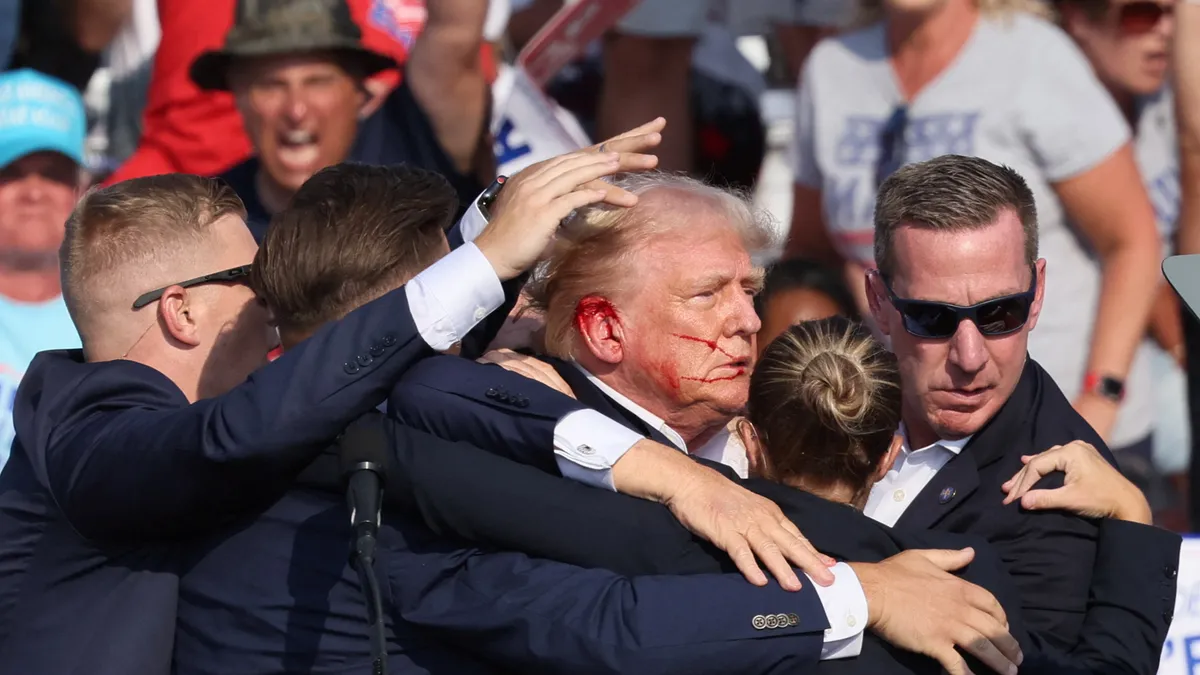
The Butler shooting marked one of the most serious acts of political violence in modern U.S. presidential campaign history. Crooks, who was 20, fired at Trump during the rally. A bullet grazed Trump’s right ear.
Corey Comperatore, a rally attendee, was killed in the attack. Two additional people were wounded. A U.S. Secret Service sniper shot and killed Crooks shortly after the gunfire began.
Trump’s latest comments drew renewed attention to the unresolved public interest surrounding the shooting, including questions about security failures and the gunman’s motives. But concern over the attack and scrutiny of its handling are separate from proof that it involved a coordinated political conspiracy.
Later in his post, Trump again offered no supporting documentation while accusing former FBI Director Christopher Wray of wrongdoing.
“New info was just found! Why wasn’t it seen long ago? This was all a Democrat Plot, to get me out of the Election, that failed. Dirty Cop Christopher Wray should pay a price for the way he handled this assassination attempt, and certainly for the things he said,” Trump wrote.
Justice Department says new material has emerged
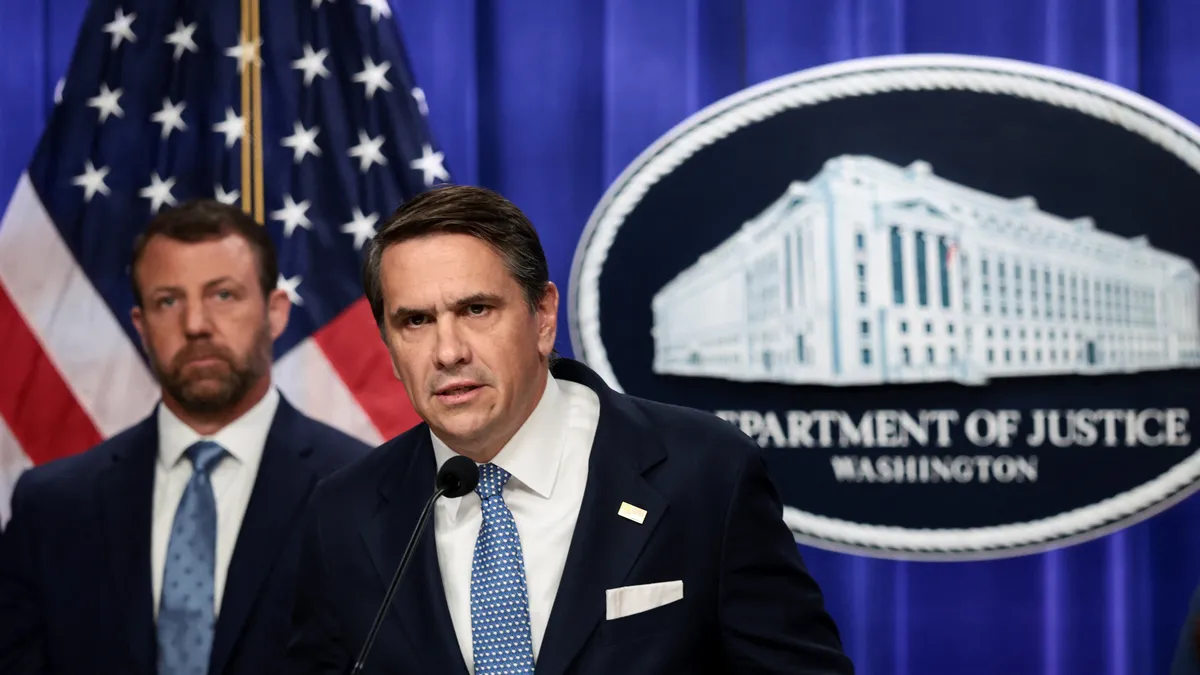
Trump’s post followed remarks from Attorney General Todd Blanche, who said the FBI had located additional information concerning Crooks. Blanche did not describe the documents in detail or say that they established a conspiracy.
“It is new information about the shooter and about his background, about his history and that stuff that we didn’t know before,” Blanche told reporters during a White House news conference.
Documents recently shared with Sen. Chuck Grassley, R-Iowa, as part of his inquiry into the shooting included FBI interviews with Crooks’ father. The material portrayed Crooks as having an intense interest in firearms and a distant relationship with his father.
“When Thomas was born he did not scream and he was always quiet from that point on,” Crooks’ father told the FBI.
Those details may add to the public record about Crooks’ personal history, but they do not by themselves establish that others helped plan or direct the attack. Federal investigators have repeatedly examined whether Crooks had contacts, accomplices or outside influences connected to the shooting.
FBI leaders previously said Crooks acted alone
In a November 2025 interview with Fox News Digital, Patel and Bongino described the investigation as exhaustive and said it produced no evidence that Crooks had been instructed by anyone else.
They said investigators reviewed 13 electronic devices tied to Crooks and his family, as well as social media profiles, banking information and email accounts. Officials accessed Crooks’ accounts, including accounts based in Germany and Belgium, and manually examined more than 500,000 electronic files.
Patel said Trump had received a direct briefing at the White House on the investigation’s findings.
“We fully briefed the president, as a victim of this case, at the White House, providing him with all of the details of our investigation, and the president was satisfied with the results and where we left it,” Patel said.
Bongino likewise said the review had not uncovered evidence of a concealed operation or external involvement.
“We have reviewed this case over and over, looked into every nugget. We have spoken to the families, the president. There is no cover-up here,” Bongino told Fox News Digital.
The difference between Trump’s current rhetoric and the FBI’s previous findings is significant. A claim that a major political party organized an attempted assassination would require substantial, verifiable evidence. As of Tuesday, neither Trump nor the Justice Department publicly identified material showing that Crooks was part of a broader political operation.
Newly recovered records could still clarify elements of Crooks’ background, his behavior before the rally or the early investigative response. Their existence, however, does not alter the FBI’s previously stated conclusion unless investigators disclose evidence that materially changes what they found about the gunman’s actions and contacts.
For now, the public record contains two competing messages: Trump’s unsubstantiated accusation of a political plot and the assessment from senior FBI officials that Crooks acted alone. Any further disclosures from the FBI or Justice Department will be closely watched for whether they provide new facts rather than simply additional personal details about the shooter.
Related Reading
Frequently Asked Questions
What is Trump without evidence claims 2024 assassination?
Trump without evidence claims 2024 assassination is the main topic of this guide. The article explains the context, practical details, and next steps readers should understand.
Why does Trump without evidence claims 2024 assassination matter?
Trump without evidence claims 2024 assassination matters because readers are looking for a useful answer, not just a short summary. Good content should match search intent and help them decide what to do next.