
EU backs ending new oil and gas drilling
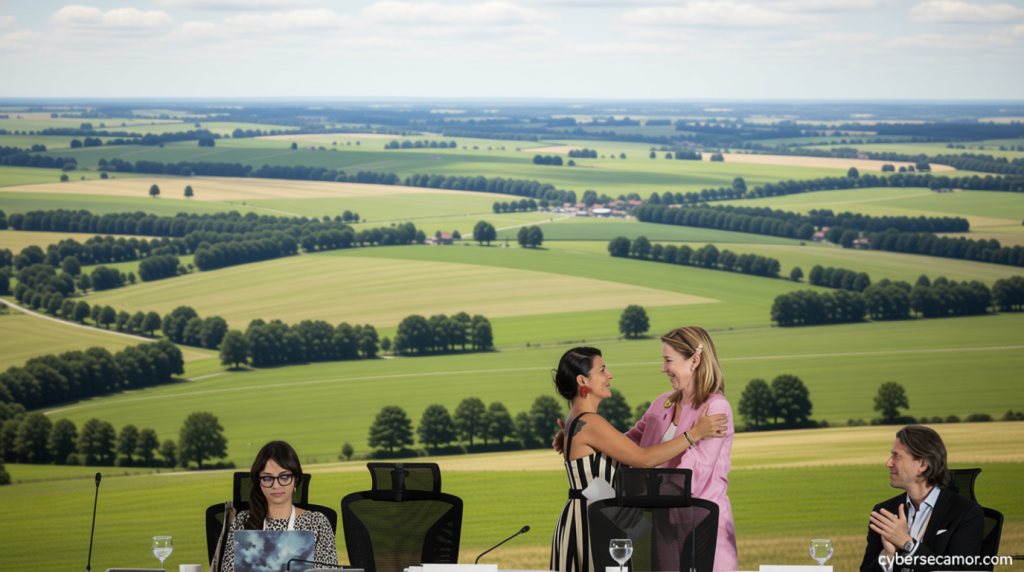
EU Supports Phasing Out New Fossil Fuel Drilling
EU backs ending new oil and gas – In a significant move toward climate action, the European Union’s Climate Action Commissioner, Wopke Hoekstra, has advocated for an end to new oil and gas drilling, highlighting the critical role of transitioning to clean energy in ensuring global stability. His remarks were delivered at the First International Conference on Transitioning Away from Fossil Fuels, held in Santa Marta, Colombia, which attracted 60 nations, including several major oil producers. The event, designed to accelerate the move away from fossil fuels, comes at a pivotal time as energy demands fluctuate and geopolitical tensions reshape supply chains.
Energy Security and Climate Goals in Tension
Hoekstra emphasized that the science of climate change underscores the necessity of reducing reliance on oil and gas, framing this shift as a pragmatic step for energy security. “Science is the compass for our future,” he stated, adding that measurable actions must be prioritized to ensure a sustainable transition. While the conference aims to unite nations in committing to fossil fuel phase-outs, global demand for fossil fuels has recently spiked due to events like the US-led conflict with Iran and the strategic closure of the Strait of Hormuz. These disruptions have temporarily raised the stakes for energy security, prompting some EU member states to reconsider short-term reliance on domestic resources.
“Science matters in climate change. Transitioning from fossil fuels is a tangible way to follow the evidence,” Hoekstra said, underscoring the urgency of aligning policy with climate science. His message resonated with attendees, many of whom are grappling with the dual challenge of combating climate change and maintaining energy stability in an unpredictable world.
The EU’s long-term vision for clean energy remains unwavering, despite the immediate pressures of soaring energy prices. Hoekstra warned that dependency on fossil fuels exposes nations to external pressures, such as geopolitical conflicts and volatile markets. “We cannot afford to be at the mercy of regimes that delay our access to energy,” he argued. The commissioner called for a threefold strategy: doubling energy efficiency, tripling renewable energy capacity by 2030, and advancing electrification to create a resilient, homegrown energy system. These goals, he said, are essential not only for environmental reasons but also to safeguard economic independence and competitiveness.
Regional Divergence in Energy Strategies
While the EU promotes a clean energy transition, some member states have opted for temporary measures to stabilize their energy systems. Greece, for instance, has reactivated offshore oil and gas exploration after a 40-year hiatus, signaling a pragmatic approach to meet current energy needs. Similarly, Italy is examining a revival of its offshore drilling program, which was paused in 2019. Germany and France have also proposed using coal as a short-term solution to alleviate electricity price surges, illustrating the varying perspectives within the bloc.
These decisions highlight the tension between climate commitments and immediate energy demands. Hoekstra acknowledged this challenge but maintained that the long-term benefits of clean energy outweigh the risks of short-term fossil fuel use. “The clean energy transition is our best bet for security, resilience, and independence,” he stated, urging nations to focus on sustainable solutions rather than temporary fixes.
International Participation and Exclusions
The Santa Marta conference brought together a diverse group of nations, with notable contributions from Canada, Norway, Brazil, and Nigeria, all of which play significant roles in global energy production. However, key players like the United States and Russia were excluded due to their “openly extractivist” positions, according to Colombia’s Environment Minister Irene Vélez Torres. “These countries have not shown the same commitment to transitioning away from fossil fuels,” she explained, noting that their exclusion was deliberate to foster a coalition focused on actionable progress.
China, the world’s largest energy consumer, was also not invited. Torres pointed out that the nation’s status as the top global emitter complicates its role in the conference. “Phasing out fossil fuels is especially challenging for China,” she said, stressing the need for a unified front among like-minded nations. The event’s participants, described as “the coalition of the willing,” aim to bypass the bureaucratic delays often seen in UN climate talks, where major fossil fuel producers can stall progress.
“The COP process has been slow to deliver meaningful results,” Hoekstra remarked, criticizing the annual United Nations climate summits. “We need to take advantage of these plurilateral initiatives to drive faster action.” His comments echoed those of Rachel Kyte, the UK’s Special Representative for Climate, who noted that the Hormuz Strait closure had accelerated the global shift toward clean energy. “The UK is ready to support countries that are committed to transitioning to secure, sustainable energy,” Kyte said, citing the urgency of the moment.
The conference also featured input from climate researchers, who presented workshops on topics such as the economic impacts of fossil fuel phase-outs and the role of innovation in scaling clean energy. Spain’s Energy and Environment Minister, Sara Aagesen, praised the event as a “success,” emphasizing its potential to build alliances and maintain momentum ahead of COP31 in Turkey. “Our progress in reducing fossil fuel dependence has shielded us from the worst of energy price spikes,” she said, encouraging other nations to follow suit.
Despite the conference’s focus on clean energy, the debate over fossil fuel reliance continues. Some argue that the transition must be gradual, ensuring energy systems can adapt without disruption. Others, like Hoekstra, stress the need for bold, science-backed decisions to meet climate targets. The Santa Marta gathering, while a step forward, is seen as a temporary platform to bridge the gap between global commitments and national actions, with the ultimate goal of creating a unified strategy for the future.
Global Implications and the Path Forward
As the conference concludes, its outcomes will shape discussions at upcoming climate events. Hoekstra’s call for increased energy efficiency and renewables aligns with broader efforts to decarbonize the global economy. However, the success of this initiative depends on the collaboration between nations and the implementation of concrete policies. “We must act decisively to ensure the world is on track to meet its climate goals,” he said, urging continued dialogue and shared accountability.
The event in Santa Marta underscores the growing recognition that energy security and climate action are interconnected. While the immediate challenges of supply and price volatility persist, the long-term vision of a clean energy future remains a shared priority. The participation of nations like Denmark, Ireland, and the UK, which have already made significant strides in renewable adoption, offers a model for others to follow. “Our experience in transitioning to clean energy is a resource we can share,” Kyte noted, highlighting the importance of collective learning in this global effort.
As the world navigates this complex energy landscape, the Santa Marta conference serves as both a milestone and a reminder of the work ahead. The debate over fossil fuels, though ongoing, reflects a broader shift toward sustainability. With the EU leading the charge and other nations joining the movement, the path to a cleaner, more secure energy future is gaining traction, even as challenges remain in balancing short-term needs with long-term ambitions.

