
Qatar rolls out business relief measures amid Iran war and regional crisis
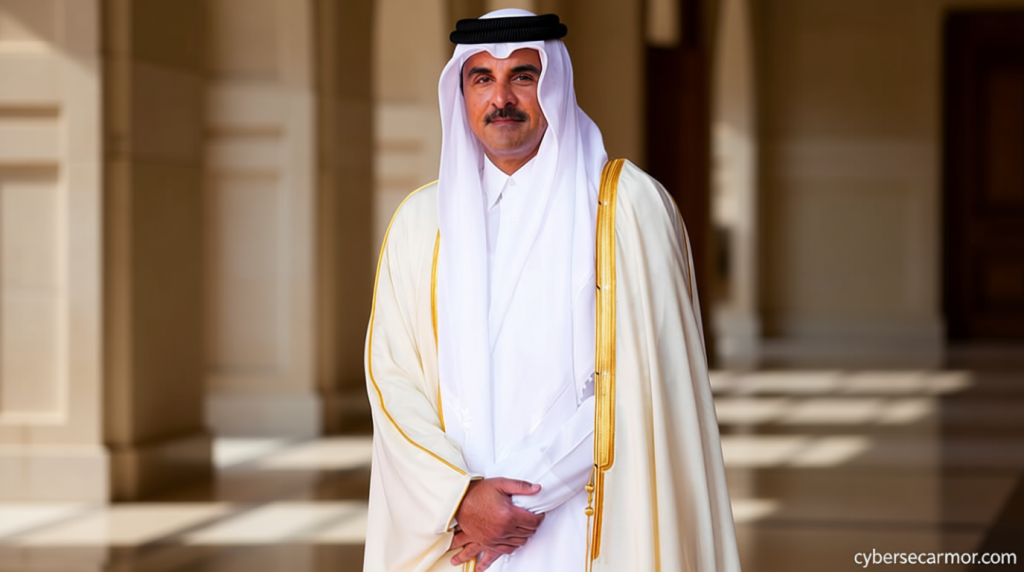
Qatar Unveils Business Support Initiatives in Response to Regional Turmoil
Qatar rolls out business relief measures – In the face of escalating tensions in the Middle East, Qatar has introduced a series of economic support initiatives to bolster local and international businesses. These measures, announced by the country’s investment promotion agency, are part of a broader effort to cushion the Gulf state’s economy from the adverse effects of the Iran conflict and broader geopolitical instability. The timing of the rollout coincides with heightened uncertainty across the region, which has affected trade flows and business operations in the Gulf Cooperation Council (GCC) nations.
Key Components of the Relief Package
The newly launched program, managed by Invest Qatar, includes financial assistance up to 40% of eligible local investment costs. This support covers a range of expenses, from initial setup to ongoing operational needs and expansion projects. The aim is to alleviate financial strain on businesses, particularly those in sectors such as logistics, technology, and financial services, which have faced increased operational risks due to the ongoing crisis.
Complementing the financial aid, the initiative introduces regulatory flexibility to simplify administrative processes. By reducing bureaucratic hurdles, Invest Qatar seeks to enhance the efficiency of business operations and encourage faster decision-making. These streamlined procedures are designed to address the challenges posed by the regional conflict, which has disrupted supply chains and created a more volatile business environment.
Additionally, businesses will receive advisory and operational support to protect their assets and ensure long-term viability. This includes access to specialized guidance on risk management, compliance, and market strategies. Such assistance is critical for companies navigating the complexities of the current geopolitical landscape, where sudden shifts in alliances and trade agreements can significantly impact economic stability.
Regional Context and Economic Impact
The announcement comes amid a period of unprecedented regional instability, with the Iran war serving as a catalyst for economic anxiety. The conflict has not only strained diplomatic relations but also disrupted energy markets, affecting the Gulf’s economic outlook. According to the International Monetary Fund (IMF), Qatar’s economic growth is projected to decline by 8.6% this year, with a potential rebound in 2027. This downward revision highlights the gravity of the situation and underscores the need for proactive measures to sustain business activity.
Invest Qatar’s interventions are seen as a strategic response to these challenges. By offering financial and regulatory relief, the agency aims to maintain investor confidence and ensure the continuity of critical economic sectors. The measures are particularly timely, as businesses across the Gulf grapple with fluctuating demand, supply chain delays, and increased operational costs. Officials emphasize that the package is tailored to address immediate concerns while laying the groundwork for long-term resilience.
The role of regional conflicts in shaping Qatar’s economic trajectory cannot be overstated. The ongoing war has created a climate of unpredictability, forcing companies to reassess their risk exposure and adapt to new market conditions. While Qatar has remained relatively stable compared to its neighbors, the country’s economy is now more vulnerable to external shocks. The relief measures are intended to mitigate these risks and provide businesses with the tools needed to weather the storm.
Leadership Statements and Strategic Goals
Faisal bin Thani Al Thani, Chairman of Invest Qatar and Minister of Commerce and Industry, emphasized the importance of these initiatives in maintaining economic momentum. “As regional conditions continue to evolve, we remain fully focused on acting decisively to support companies operating in our market, safeguard business continuity and reinforce confidence,” he stated. The quote reflects the government’s commitment to proactive economic management, even in the face of mounting challenges.
The measures also align with Qatar’s broader vision of economic diversification. By prioritizing advanced industries, logistics, technology, and financial services, the country aims to reduce its reliance on traditional sectors such as oil and gas. This strategic shift is essential for long-term sustainability, especially as global energy markets become increasingly competitive. The relief package is positioned as a catalyst for growth in these sectors, fostering innovation and attracting foreign investment.
Analysts note that the financial support of 40% is significant, as it allows businesses to allocate resources more effectively. This percentage is not just a figure—it represents a tangible commitment to alleviating the financial burden on companies. The impact of such measures could be felt in both the short and long term, helping businesses retain their workforce, invest in infrastructure, and maintain operational capacity despite regional disruptions.
Broader Implications for the Gulf Region
The economic challenges faced by Qatar are part of a larger trend affecting the Gulf region. Neighboring countries have also experienced a decline in business confidence due to the Iran conflict and other regional crises. The IMF’s latest regional outlook highlights the interconnected nature of these economies, where a downturn in one nation can have ripple effects across the entire GCC.
Qatar’s proactive approach may serve as a model for other Gulf states seeking to stabilize their economies. By addressing the immediate needs of businesses, the country is positioning itself to maintain its role as a regional economic hub. This strategy is crucial for ensuring that Qatar can continue to attract foreign investment and support its ambitious development goals, even amid uncertainty.
As the crisis persists, the effectiveness of these measures will be closely monitored. While the 40% financial support is a notable component, the success of the initiative will depend on its implementation and the adaptability of businesses to the new regulatory framework. The government’s focus on safeguarding business continuity is a clear indication of its intent to preserve economic stability and foster recovery in the coming months.
Ultimately, Qatar’s business relief measures are a multifaceted response to the regional crisis, combining financial aid, regulatory easing, and advisory support to protect its economy. The country’s ability to navigate these challenges will not only determine its own economic resilience but also influence the broader stability of the Middle East. With the IMF’s projections serving as a warning, Qatar’s proactive stance may help cushion the region from further economic setbacks. The measures underscore the importance of agility and foresight in times of uncertainty, ensuring that businesses can continue to thrive despite the volatile environment.

