
Magyar to meet von der Leyen as Hungary races to unlock EU cash
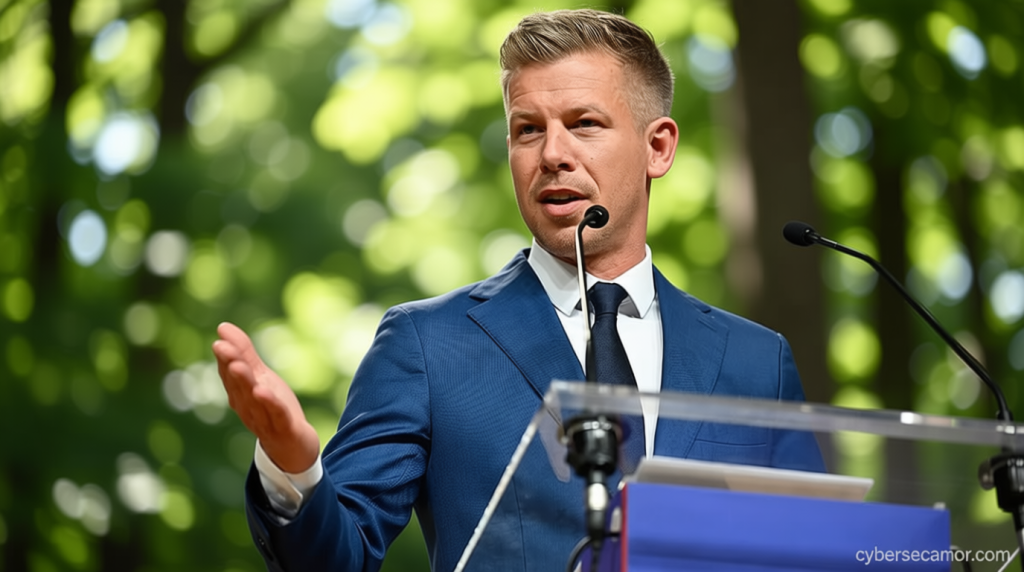
Magyar to Meet von der Leyen as Hungary Races to Unlock EU Cash
Magyar to meet von der Leyen – Hungary’s Prime Minister-elect, Péter Magyar, will hold discussions with European Commission President Ursula von der Leyen in Brussels on Wednesday. The meeting is part of his efforts to rapidly secure billions of euros in EU funding that has been suspended due to concerns over the rule of law. Sources close to the new leader describe the talks as informal, and Magyar is expected to avoid public statements during the session. His goal is to address the urgent matter of stalled financial allocations, which could threaten the stability of Hungary’s economy if not resolved before an August deadline.
Magyar’s upcoming visit comes as he prepares for his formal swearing-in ceremony in Budapest on 9 May, a date that coincides with Europe Day. This symbolic timing underscores the importance of rebuilding ties with Brussels, which have been strained by Viktor Orbán’s previous government. Orbán’s policy of frequent vetoes against EU initiatives created a rift with European leaders, pushing bilateral relations to a critical point. Magyar’s strategy, in contrast, emphasizes swift action and cooperation, aiming to align with EU expectations while maintaining his political independence.
The meeting with von der Leyen is a strategic move to facilitate a resolution of the frozen payments. Magyar’s party, the Tisza Party, has already engaged in preliminary discussions with Commission officials, indicating a willingness to compromise. Björn Seibert, the Commission’s chief of staff, played a key role in these talks earlier this month, agreeing to support the new government’s initiatives. The collaboration suggests a shift in tone from the confrontational stance under Orbán, as both sides recognize the need for urgency in this financial crisis.
Magyar’s approach also involves meeting with EU Council President António Costa. This bilateral engagement highlights the broader effort to mend relationships with European institutions. While the exact details of these talks remain undisclosed, they are expected to focus on the practical steps required to restore EU funding. The new government’s commitment to securing the €10 billion in blocked funds is a central theme of its campaign, which emphasized economic revitalization and alignment with European partners.
Magyar’s decision to delay his first visit to Brussels until mid-May reflects the timing of his political maneuvers. After securing a landslide victory in recent elections, he planned to complete a European tour, visiting Vienna and Warsaw before engaging with the Commission. However, the urgency of the funding issue has prompted him to act earlier than initially scheduled. The meeting on Wednesday is seen as a direct response to the exceptional circumstances that have arisen, with officials from his party highlighting the need for speed in negotiations.
Magyar’s incoming Foreign Minister, Anita Orbán, has already been in Brussels, laying the groundwork for the new government’s diplomatic initiatives. This early engagement signals a proactive stance, aiming to present a unified front with the European institutions. The inclusion of the Tisza Party in the European People’s Party further strengthens Magyar’s position, as he seeks support from key political allies across the continent.
Magyar’s campaign centered on restoring trust with European partners and reclaiming EU funds that he claims are essential for Hungarian citizens. This narrative resonates with voters who are frustrated by the previous government’s rigid policies and their impact on Hungary’s financial situation. By positioning himself as a reformer ready to work with Brussels, Magyar hopes to accelerate necessary changes while retaining his image as a leader with a clear vision.
The upcoming meeting with von der Leyen is not only about financial negotiations but also about political reconciliation. It represents a pivotal moment for Hungary as it transitions from a period of tension to one of potential collaboration. Magyar’s approach contrasts sharply with Orbán’s, who often viewed EU institutions as adversaries. The new government’s emphasis on dialogue and cooperation suggests a more flexible strategy, one that could lead to a renewed partnership with Brussels.
Manfred Weber, the German leader of the European People’s Party, has endorsed Magyar’s efforts to reset relations with European partners. In a recent speech in Strasbourg, Weber emphasized the need for support, stating,
“Europe must now be the friend on the side of Hungary, of this new government, delivering on the expectations of citizens.”
He added that the primary objective is to assist the country, rather than dwell on past criticisms or engage in prolonged debates. Weber also proposed suspending Article 7 proceedings, a measure that could prevent further sanctions against Hungary and provide a pathway to renewed trust.
Magyar’s campaign rhetoric has been shaped by the urgency of securing EU funds, which are vital for addressing economic challenges. The €10 billion in suspended payments represents a significant portion of Hungary’s annual budget, and the new government faces pressure to demonstrate fiscal responsibility. By prioritizing swift action with Brussels, Magyar aims to stabilize the economy and reassure citizens of his commitment to reform. This approach, however, requires a delicate balance, as he must avoid appearing too subservient to European demands.
The political landscape in Hungary has shifted dramatically since the previous government’s tenure. With Magyar now at the helm, there is a renewed focus on collaboration with EU institutions, rather than opposition. His leadership style, characterized by a willingness to engage with Brussels, contrasts with Orbán’s confrontational approach. This change is not only symbolic but also practical, as it positions Magyar to address the immediate financial needs of Hungary while navigating the complexities of European politics.
Magyar’s visit to Brussels marks a critical juncture in Hungary’s relationship with the EU. The discussions with von der Leyen and Costa are expected to outline specific steps for resolving the frozen payments, which have been a major point of contention. By establishing direct communication with Brussels, Magyar aims to streamline the process and ensure that the new government can act decisively. This proactive engagement is a clear departure from the previous administration’s reluctance to negotiate, highlighting a new era of diplomacy.
As the European Parliament debates Hungary’s future, Magyar’s efforts to secure EU funds will be closely watched. The success of his strategy could determine whether Hungary emerges from the crisis with strengthened ties to the EU or faces further economic strain. The upcoming meetings are a testament to the urgency of the situation, as the new government seeks to align with European partners before the August deadline. This push for collaboration signals a broader shift in Hungary’s political direction, one that could reshape its relationship with the bloc in the years to come.

