
Trump warns Iran to ‘better get smart soon’ as US plans long port blockade
Trump Warns Iran to ‘Better Get Smart Soon’ as US Plans Long Port Blockade
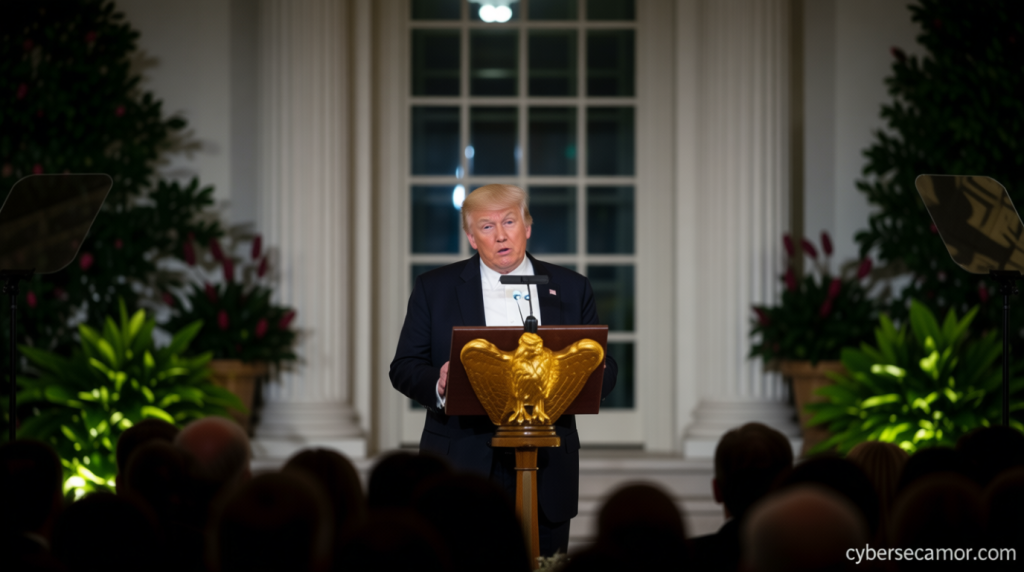
Trump warns Iran to better get smart – On Wednesday, US President Donald Trump issued a stern warning to Iran, urging the country to “get smart soon” and accept a peace agreement. The message came as diplomatic efforts between Washington and Tehran to resolve hostilities remained stalled. In a post on his Truth Social platform, Trump emphasized Iran’s inability to finalize a nonnuclear deal, stating, “Iran can’t get their act together. They don’t know how to sign a nonnuclear deal. They better get smart soon!” The post included an image of Trump holding an assault rifle, paired with the caption “No more Mr. Nice Guy.”
Peace Talks Derailed by Trump’s Sudden Decision
The second round of peace negotiations was originally planned for Islamabad over the weekend, but Trump abruptly ordered his envoys not to participate. Speaking to Fox News, he explained, “I told my people a while ago they were getting ready to leave, and I said, ‘Nope, you’re not making an 18-hour flight to go there.’” Trump added, “We have all the cards. They can call us anytime they want, but you’re not going to be making any more 18-hour flights to sit around talking about nothing.”
Despite the cancellation, Trump assured US media outlet Axios that the decision did not signal a return to full-scale hostilities. “We have not thought about it yet,” he said, indicating the US was still considering its next moves. The White House had previously announced that Steve Witkoff and Jared Kushner were set to travel to Pakistan on Saturday for an “in-person conversation” aimed at “hopefully moving the ball forward toward a deal.”
Iranian Media Dismisses Direct Talks as a Possibility
Iranian state-run media countered that direct dialogue with the US had never been the primary goal. Foreign Minister Abbas Araghchi had concluded his diplomatic visit to Islamabad before Trump’s announcement, meeting with key figures such as Pakistani military chief Asim Munir, Prime Minister Shehbaz Sharif, and Foreign Minister Ishaq Dar. These meetings were part of ongoing mediation efforts, but Iran’s position remained firm, suggesting the talks were not a serious avenue for resolution.
The first round of negotiations between Iran and the US had taken place in Pakistan earlier this month, yet no agreement was reached. Trump’s latest intervention has intensified speculation about the US’s strategy to pressure Iran economically. According to US media reports, Trump has directed national security officials to prepare for an extended blockade of Iran’s ports, a move intended to force Tehran into compliance with Washington’s demands regarding its nuclear program.
Trump’s plan, as reported by the Wall Street Journal, hinges on the belief that Iran is not negotiating in good faith. He aims to compel Tehran to suspend uranium enrichment for 20 years and accept stringent restrictions thereafter. Citing unnamed officials, the WSJ noted that Trump had decided during a Monday meeting in the White House situation room that resuming bombing campaigns or withdrawing from the conflict were both too risky. Instead, he opted for a sustained naval blockade to exert pressure on Iran’s economy.
Economic Fallout of the Blockade
Iran’s closure of the Strait of Hormuz during the conflict’s onset on February 28 had already disrupted global energy markets. Normally, one-fifth of the world’s oil and liquefied natural gas passed through the waterway, and its blockage led to a sharp rise in energy prices worldwide. The US Navy’s recent measures, announced on April 13, have now escalated the situation, with the US Central Command stating the blockade would apply to “the entirety of the Iranian coastline.”
The economic impact is evident in Iran’s currency, which has plummeted to a record low against the US dollar. Currency-tracking websites reported that on Wednesday, the rial was trading at approximately 1.80 million to one US dollar on the black market. This contrasts with the exchange rate of about 1.70 million rials per dollar at the start of the conflict. Although Iran maintains several fixed exchange rates, platforms like Bonbast and AlanChand serve as benchmarks for unofficial rates, highlighting the severity of the depreciation.
Trump’s strategy reflects a broader effort to cripple Iran’s oil exports, a critical component of its economy. By maintaining a naval presence, the US hopes to weaken Tehran’s financial leverage and push it toward concessions. The blockade, which began on April 13, has been felt immediately, with Iran’s currency losing value rapidly. Analysts suggest this economic pressure could force Iran to reconsider its stance, particularly if it threatens to cut off oil supplies to global markets.
The situation underscores the high stakes of the conflict. While Trump insists the US holds the advantage, Iran’s leaders have not yet relented. The upcoming blockade, combined with the failed peace talks, signals a shift in US tactics from diplomacy to sustained economic coercion. This approach could either lead to a breakthrough or further strain relations between the two nations, with the outcome potentially shaping the future of the Middle East.

