
Watch: Robot dogs with Elon Musk and Bezos’ faces are excreting AI art at a Berlin museum
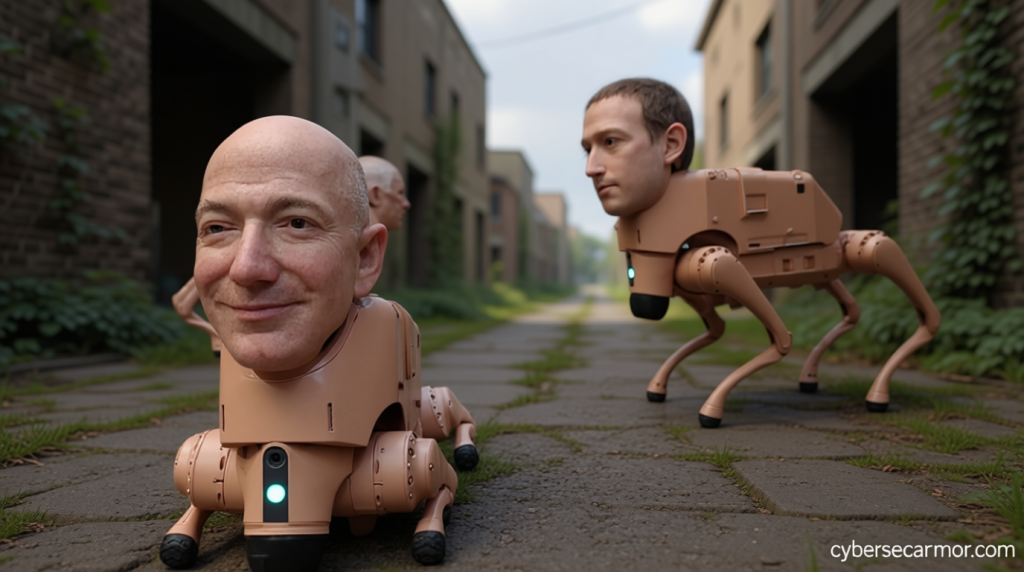
Watch: Robot Dogs Featuring Elon Musk’s Face Excrete AI Art at Berlin Museum
Avant-Garde Art Installation Blurs Human and Machine
Watch: Robot dogs with Elon Musk and Bezos’ faces are excreting AI art at a Berlin museum – At the Neue Nationalgalerie in Berlin, an innovative art exhibit has sparked conversation by merging technology with creative expression. The installation, titled *Regular Animals*, showcases robotic dogs designed to “poop out” AI-generated art, symbolizing the way algorithms shape our daily experiences. Notably, one of the robots bears the face of Elon Musk, alongside Jeff Bezos and other cultural icons, creating a surreal commentary on modern influence. Mike Winkelmann, known as Beeple, conceptualized the piece to explore how digital curation and tech leaders redefine traditional art forms in the 21st century.
The robots, which operate as mechanical printers, produce visual outputs that mirror human cognitive processes. Instead of waste, they release digital artworks, challenging perceptions of creativity and control. For instance, the Musk-inspired model generates abstract images reflecting his persona, while others channel the styles of Picasso and Warhol. This project exemplifies the intersection of AI art and robotic innovation, inviting viewers to reflect on the evolving relationship between technology and culture. The choice to feature Musk’s likeness underscores the growing role of tech moguls in influencing public narratives.
Artistic Critique of Algorithmic Power
Beeple’s work critiques how algorithmic systems now dictate our visual experiences. “The way we perceive the world has shifted from artistic interpretation to machine-driven curation,” he states in a
“In previous eras, artists like Picasso and Warhol shaped cultural understanding through their unique visions. Today, that same influence is mediated by tech billionaires who control algorithms that determine what we see and how we interpret it.”
The exhibit highlights this transformation, positioning the robots as both creators and symbols of digital dominance. Their act of “producing” art mimics the organic process of human creativity, yet it is entirely mechanized and data-driven.
Winkelmann’s installation also includes a self-referential element: one of the robotic dogs is modeled after his own face. This adds a layer of introspection, questioning the role of the artist in an era where AI can replicate human-like expression. The project has drawn attention from major art events like Art Basel Miami Beach 2025, further cementing its significance in the digital art landscape. By integrating robotics and AI, the exhibit invites audiences to reconsider the boundaries of creativity in the modern world.
With a focus on Elon Musk’s face, the exhibit juxtaposes human identity with machine functionality. Visitors observe the robots as they “excrete” art, a metaphor for how digital platforms shape public consciousness. This play on physical and virtual realms offers a thought-provoking take on the future of artistic production. The use of printed images ejected from the robots adds a tactile dimension to the digital experience, bridging the gap between traditional and contemporary media.
From Graphic Design to Digital Art Pioneering
Mike Winkelmann’s journey began in graphic design, a field that laid the groundwork for his digital art innovations. Over the years, he has gained recognition for his daily art creation habit, which has led to a diverse portfolio and a prominent role in the NFT movement. *Regular Animals* builds on this legacy, combining his signature style with cutting-edge robotics. The project is a testament to his ability to adapt and redefine art’s purpose in a tech-driven society.
The Berlin exhibit also features robots inspired by historical figures, creating a dialogue between past and present. These mechanical entities, which process and output art, challenge the notion of artistic authorship. By embedding the faces of influential figures, Winkelmann emphasizes their impact on cultural trends. The installation serves as a visual reminder of how algorithms, shaped by individuals like Musk, now play a central role in defining public discourse and aesthetic values.
As the robots continue to “excrete” art, the exhibit offers a critique of both human and machine agency. The process of generating and dispersing images reflects the way digital platforms filter information, often prioritizing efficiency over nuance. This concept resonates with the broader theme of the installation, which questions the role of creators in an age of automated influence. The piece remains a compelling example of how art can evolve to address contemporary technological challenges.

