
Hungary’s incoming PM Péter Magyar offers to meet Ukraine’s president in June
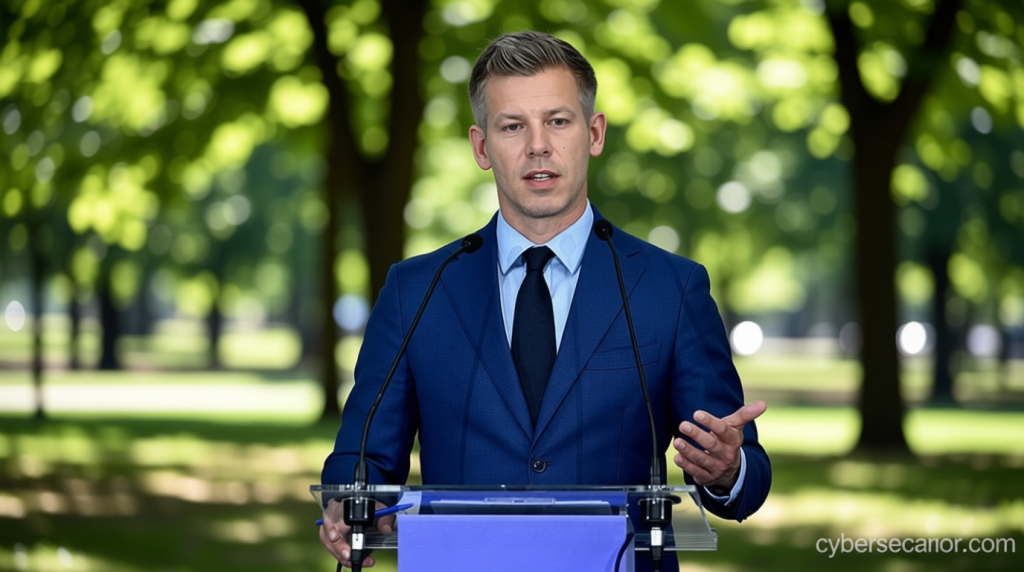
Hungary’s Incoming Prime Minister Péter Magyar Seeks to Rebuild Ties with Ukraine
Hungary s incoming PM Péter Magyar – Hungary’s next leader, Péter Magyar, has proposed a summit with Ukrainian President Volodymyr Zelenskyy in June, aiming to foster a renewed partnership between the two neighboring nations. The meeting, which Magyar described as a step toward “opening a new chapter in bilateral relations,” would focus on addressing longstanding disputes over the rights of Hungary’s ethnic minority in Ukraine. This effort comes as Magyar prepares to take office following his election victory on April 12, which ended the 16-year tenure of nationalist Premier Viktor Orbán.
The relationship between Hungary and Ukraine has been marked by tension, particularly over language policies in the Transcarpathia region. Magyar emphasized that the upcoming meeting would prioritize the welfare of Hungarians living there, ensuring their cultural and linguistic rights are preserved. “The goal is to help improve the living conditions of Hungarians in Transcarpathia and enable them to stay in their homeland,” he stated in a social media post after meeting with the city’s mayor in Budapest. The choice of Berehove as the meeting’s symbolic location highlights its significance as a Hungarian-majority area, a key point in the ongoing debate.
Orbán’s Influence and the Election Shift
Magyar’s election marked a significant turning point for Hungary’s foreign policy, especially toward Ukraine. Before the April 12 vote, Orbán had wielded his veto power to block Ukraine’s EU membership and delay financial aid, citing concerns over the rights of ethnic Hungarians. This stance created friction with other EU nations, who criticized it as an attempt to “blackmail” Ukraine. The situation escalated further when Orbán’s government halted oil flows through the Druzhba pipeline, a critical route for Russian oil to Hungary and Slovakia. This disruption, which began in February, became the focal point of a two-month stalemate in EU negotiations over a €90 billion loan for Ukraine.
Magyar’s decision to lift the veto was pivotal in resolving the impasse. European Union leaders welcomed the move, viewing it as a breakthrough that would allow Ukraine to secure much-needed financial support. The pipeline’s repair and resumption of operations two days prior to the EU’s final approval underscored the interconnectedness of energy and political dynamics. Zelenskyy, who had already visited Transcarpathia earlier in April to meet with representatives of the Hungarian community, praised their resilience during the war and expressed gratitude for their support of the front. “Thank you for your service,” he wrote on X, acknowledging their contributions.
Magyar, perceived as a more centrist alternative to Orbán, has positioned himself as a bridge between Hungary and its neighbors. His administration is expected to pursue a more cooperative approach with Brussels, including reevaluating Hungary’s stance on joining the eurozone. This shift reflects a broader desire to align with EU priorities while maintaining Hungary’s national identity. In contrast to Orbán’s confrontational rhetoric, Magyar has pledged to foster friendly relations with all neighboring countries, emphasizing mutual respect and collaboration.
Ukraine’s EU Accession and Territorial Rights
Magyar’s commitment to Ukraine’s EU accession remains conditional. While he supports the long-term goal, he has argued that a rapid process within the next decade may not be feasible. This stance aligns with his view that Ukraine’s integration into the EU should be a gradual, sustainable journey rather than a rushed one. However, he has not ruled out the possibility of accelerating the process if circumstances allow. Importantly, Magyar reiterated that Ukraine cannot be forced to accept a peace deal that involves ceding territory. “No other country has the right to demand that you give up this or that land,” he asserted. “Anyone who makes such a claim is a traitor to Ukraine’s sovereignty.”
The dispute over Transcarpathia’s language laws has been a central issue in the两国’s relationship. Since 2017, Ukraine’s legislation requiring secondary education in Ukrainian has raised concerns among Hungarian communities, who argue it marginalizes their cultural identity. Transcarpathia, a region with a large ethnic Hungarian population, was once part of the Kingdom of Hungary before World War I. Magyar’s proposal to meet Zelenskyy signals a willingness to address these grievances, even as he advocates for Ukraine’s broader aspirations. “The time has come for Ukraine to lift the legal restrictions that have been in place for over a decade,” he said, “so that Hungarians can reclaim their rights and be recognized as equal citizens.”
Magyar’s efforts to reconcile with Ukraine come at a critical moment for the country’s international standing. The EU’s approval of the €90 billion loan, achieved after Hungary removed its veto, provides Ukraine with essential financial resources to sustain its war efforts. This development has been celebrated as a victory for European unity, with leaders praising the resolution of the standoff. Meanwhile, Magyar’s approach to the issue has been seen as pragmatic, prioritizing dialogue over confrontation. His emphasis on cultural rights for Hungarians in Transcarpathia suggests a balance between supporting Ukraine’s ambitions and safeguarding Hungary’s minority interests.
While Magyar’s leadership offers a more conciliatory tone, challenges remain. The Hungarian government’s historical opposition to EU membership for Ukraine, rooted in fears of cultural dilution, still lingers. However, Magyar has signaled a readiness to engage with Brussels, signaling a potential shift in Hungary’s strategic direction. His focus on bilateral relations with Ukraine, alongside other neighbors, indicates a broader effort to reposition Hungary as a more integrated and cooperative player in the region.
Magyar’s meeting with Zelenskyy in June is expected to be a symbolic yet substantive step in repairing ties. The event will not only address immediate concerns but also set the tone for future collaboration. For Ukraine, the summit represents an opportunity to strengthen its diplomatic standing and advance its EU accession bid. For Hungary, it offers a chance to redefine its role in the region and align with the interests of its neighbors. As both leaders prepare for the discussion, the outcome could reshape the bilateral relationship and influence broader European dynamics.
The resolution of the Druzhba pipeline dispute highlights the importance of pragmatic diplomacy in resolving conflicts. By lifting the veto, Magyar has demonstrated a willingness to prioritize Ukraine’s needs over nationalistic concerns, a move that may have broader implications for Hungary’s foreign policy. His administration’s approach to the EU loan and its aftermath suggests a focus on fostering stability and solidarity within the bloc. As Hungary transitions to a new era under Magyar, the path forward will be shaped by the balance between maintaining national sovereignty and embracing regional cooperation.
In summary, Magyar’s proposal to meet Zelenskyy marks a pivotal moment in the bilateral relationship. It reflects a desire to move beyond past disagreements and build a more equitable partnership. The meeting in Berehove, chosen for its symbolic significance, is expected to address the specific needs of Hungary’s ethnic minority while reinforcing Ukraine’s position in the EU. With Magyar’s moderate approach, the future of Hungary-Ukraine relations appears to be on a more collaborative trajectory, though challenges such as EU accession timelines and territorial rights will require ongoing dialogue and compromise.

