
Video. Watch: Passengers evacuated from hantavirus-hit cruise ship in Tenerife
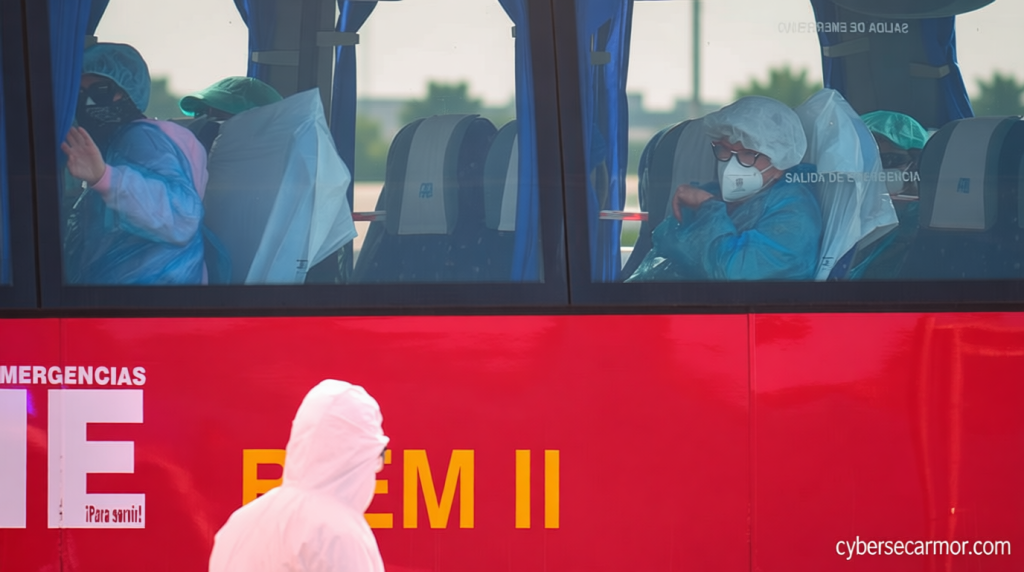
Passengers Evacuated from Hantavirus-Infected Cruise Ship in Tenerife
Video. Watch: Passengers evacuated from hantavirus-hit cruise ship in Tenerife – On Sunday, a significant evacuation operation was initiated as passengers from the cruise ship MV Hondius disembarked in Tenerife. The vessel, which had been affected by a hantavirus outbreak, was anchored at Granadilla port, where authorities coordinated the transfer of its occupants. The process involved small boats ferrying individuals wearing protective gear to the quayside, where buses were prepared to transport them to designated medical centers and the Tenerife South airport. The evacuation was described as a swift and organized effort, with officials emphasizing the need for strict health protocols throughout the operation.
The hantavirus, a viral illness transmitted primarily through rodent excrement, had prompted concerns among health officials. The MV Hondius, a ship operating in the Canary Islands, was found to have an outbreak that required immediate action to prevent further spread. As the evacuation proceeded, the focus was on ensuring the safety of all passengers, with particular attention given to those who had been in close contact with the virus. The timeline for the operation was closely monitored, with each phase carefully planned to minimize risk and maintain order.
Authorities confirmed that the first priority during the evacuation was to transport Spanish nationals. This decision was based on the ship’s itinerary and the nationality distribution of its passengers. A spokesperson for the local health department stated,
“The evacuation process was structured to ensure that those most at risk were given immediate access to medical facilities. Spanish passengers were given precedence due to their proximity to the outbreak’s origin.”
The operation unfolded in stages, with buses stationed at the port to quickly move passengers to safe locations. Video footage captured the scene, showing passengers in masks and gloves boarding vehicles under supervision.
The MV Hondius, which had set sail from the Netherlands, had been in operation for several days before the health crisis emerged. The ship’s crew had reported symptoms among a small number of passengers, prompting the decision to halt operations and initiate the evacuation. The virus, which can lead to severe respiratory issues, was identified as the cause, and measures were taken to isolate affected individuals. Despite the outbreak, officials noted that no one on board was currently displaying symptoms, though the virus was still present in the environment.
As part of the evacuation, health teams conducted inspections to ensure that all passengers were in good condition before departure. The use of protective gear was mandatory, with passengers required to follow guidelines to prevent contamination. The operation also involved a coordinated effort between port authorities, local medical services, and the airline operating the Tenerife South airport. Each passenger was assigned a specific route, with some heading directly to hospitals and others proceeding to the airport for onward travel.
The MV Hondius was expected to continue its journey to Rotterdam after the evacuation process was complete. The ship would undergo a thorough disinfection procedure to eliminate the virus and prevent future outbreaks. Health officials highlighted the importance of this step, stating that the vessel would be treated as a critical containment site until all risks were mitigated. The evacuation marked a major disruption for the cruise line, which had previously operated without incident in the region.
The hantavirus outbreak on the MV Hondius raised awareness about the potential dangers of rodent-borne diseases in enclosed environments. Health experts warned that the virus could spread rapidly in spaces like cruise ships, where air circulation and close quarters increase the risk of transmission. Passengers who had been affected were said to have been monitored closely, with some receiving treatment at the port’s temporary medical stations. The incident underscored the need for enhanced hygiene measures and regular health checks on board such vessels.
Throughout the evacuation, communication with passengers was prioritized to alleviate anxiety and provide clear instructions. Information was disseminated via loudspeakers and printed notices, ensuring that everyone understood the steps required for their safety. The process was further streamlined by dividing passengers into groups based on their health status and the urgency of their transfer. Local authorities also emphasized that the operation had been completed without any major incidents, thanks to the cooperation of the crew and the efficient coordination of teams on the ground.
Passengers who were evacuated described the experience as both stressful and orderly. Some shared their relief at being removed from the ship, while others expressed concern about the virus’s presence. Despite these feelings, the evacuation was completed within the expected timeframe, with all individuals accounted for and transported to appropriate locations. The MV Hondius’s captain confirmed that the ship had been left in a safe condition, with all necessary steps taken to protect both passengers and crew during the process.
As the MV Hondius prepared for its journey to Rotterdam, discussions began about the long-term implications of the outbreak. Health officials in Tenerife were working with international partners to review the incident and implement preventive measures for future cruises. The ship’s itinerary had been altered, with the plan to dock in the Netherlands for further assessment. The evacuation served as a reminder of the importance of vigilance in public health, particularly in shared living spaces where infections can spread unnoticed.
Meanwhile, passengers who remained on the island were advised to monitor their health and report any symptoms promptly. The local health department had established a temporary command center to manage the crisis and provide updates to the public. The MV Hondius incident also prompted a review of the ship’s maintenance and cleaning protocols, with authorities calling for stricter measures to prevent similar outbreaks. The operation, while disruptive, was considered a successful response to the health emergency, with no fatalities reported during the evacuation.
As the final passengers departed the port, the MV Hondius was secured for the next phase of its journey. The ship’s crew had assisted in the evacuation, ensuring that all passengers were safely transferred. The situation highlighted the resilience of both the crew and the passengers, who had navigated the unexpected health crisis with cooperation and determination. With the vessel heading toward Rotterdam, the focus shifted to the thorough disinfection process and the prevention of hantavirus transmission in the coming days.
The MV Hondius’s evacuation in Tenerife became a case study in emergency response, demonstrating the effectiveness of coordination between local and international health agencies. Passengers were praised for their compliance with safety measures, and officials commended the efficiency of the operation. The incident also sparked conversations about the importance of early detection and the role of health protocols in preventing outbreaks on board. As the ship sailed away, the memory of the evacuation remained a critical part of the ongoing efforts to manage the hantavirus crisis in the Canary Islands.

