
Trump dismisses Iran’s ‘unacceptable’ reply to the US peace proposal
Trump Dismisses Iran’s ‘Unacceptable’ Reply to the US Peace Proposal
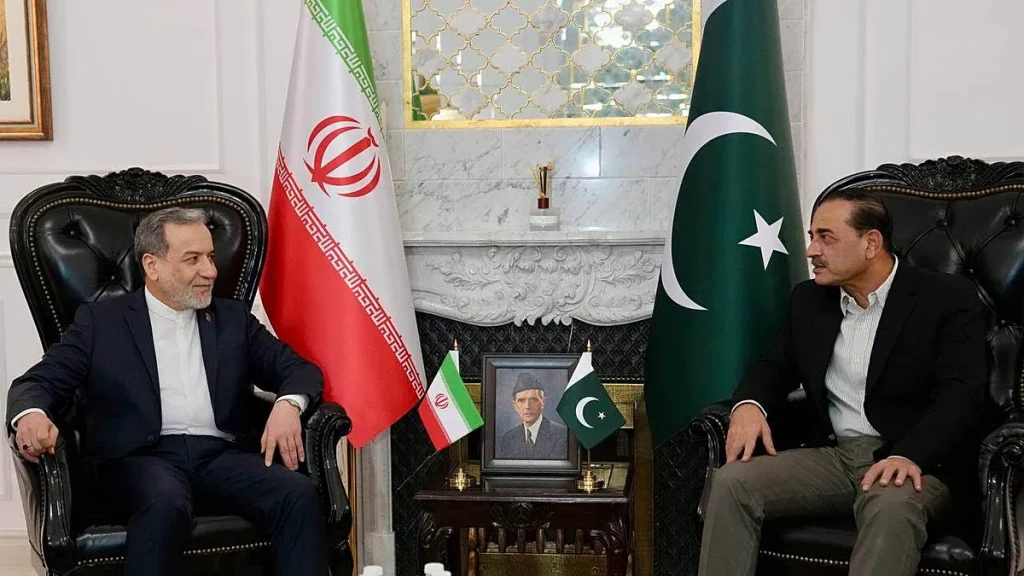
Trump dismisses Iran s unacceptable reply – On May 10, 2026, US President Donald Trump labeled Iran’s response to the latest American peace initiative as “totally unacceptable.” The Iranian government’s reply, delivered via a Pakistani intermediary on Sunday, focused on resolving the ongoing conflict through measures addressing maritime security in the Persian Gulf. Iranian state media, including the official IRNA news agency, reported that the Islamic Republic of Iran transmitted its response to the US proposal through a mediator, though specific details of the agreement were not immediately shared.
Iran’s Strategic Focus on Maritime Security
According to Iranian local outlets, the nation’s reply centered on “ending the war and maritime security,” particularly emphasizing the need to protect key regions like Lebanon and the Strait of Hormuz. The Iranian government’s position appeared to highlight the importance of securing commercial and military vessels in the waterway, a critical chokepoint for global oil shipments. The proposal from Washington aimed to conclude hostilities and reopen the Strait of Hormuz, but Iran’s reaction suggested a more cautious stance, prioritizing regional stability over immediate concessions.
The Iranian response followed reports that US special envoy Steve Witkoff and Secretary of State Marco Rubio had met with Qatar’s prime minister on Saturday to discuss the conflict. This meeting underscored the growing role of regional allies in mediating between Washington and Tehran. The US proposal, if accepted, would signal a major diplomatic breakthrough, yet Iran’s reply indicated a desire to address broader concerns before finalizing terms.
Drone Attacks and Escalating Tensions
As the peace talks progressed, tensions in the Gulf intensified with the launch of multiple drone strikes on Sunday. One of these attacks targeted a freighter en route to Qatar, prompting immediate concerns about the safety of maritime traffic. Iranian military officials warned that the United States would no longer tolerate retaliatory actions, stating that any attack on Iranian tankers or commercial vessels would trigger a significant response against American interests in the region.
“Any attack on Iranian tankers and commercial vessels will result in a heavy attack on one of the American centres in the region and enemy ships.”
The Qatari defense ministry confirmed that a small fire broke out on the affected vessel, though no casualties were reported. Meanwhile, Kuwait’s military reported repelling a dawn drone attack, highlighting the ongoing security challenges in the area. These incidents raised questions about the stability of the region and the potential for further escalations, even as diplomatic efforts continued.
South Korea’s Involvement in the Crisis
Earlier in the week, South Korea revealed that one of its cargo vessels, damaged days prior in the Strait of Hormuz, had been struck by “two unidentified aircraft.” The incident, which occurred on May 4, was initially attributed to Iran by the US, with Trump claiming the country had “taken some shots” at the vessel. However, Iran denied responsibility, prompting investigations into engine debris and fragments to determine the origin of the attack.
While the exact cause of the South Korean vessel’s damage remains under analysis, the event underscored the interconnectedness of the Gulf’s security issues. The Strait of Hormuz, a vital artery for global oil transport, has become a focal point of the conflict, with both sides leveraging it as a strategic tool. Iran’s refusal to accept the US proposal appeared to align with its broader goal of using the waterway as a means of exerting pressure on the United States.
Qatar’s Role in the Mediation Process
Qatar’s prime minister, Mohammed bin Abdulrahman Al Thani, participated in a critical conversation with Iran’s top diplomat, Abbas Araghchi, during a phone call on Saturday. The Qatari foreign ministry stated that Al Thani emphasized the dangers of using the Strait of Hormuz as a “pressure card,” warning that such tactics could exacerbate the Middle East crisis. This exchange highlighted Qatar’s efforts to act as a neutral mediator between the two adversaries.
The proposal from Washington offered a clear path to de-escalation, but its conditions—particularly the requirement for Iran to agree before more contentious issues like the nuclear program were addressed—were seen as a test of the Islamic Republic’s willingness to compromise. The nuclear program, a long-standing point of contention, has been a central issue in US-Iran relations, with the US accusing Tehran of pursuing weapons-grade material under the guise of civilian energy production.
Despite the US’s efforts to frame the proposal as a stepping stone toward broader peace, Iran’s reaction suggested it viewed the terms as insufficient. The nation’s focus on maritime security and regional retaliation reflected a broader strategy to assert control over the Gulf’s strategic assets while maintaining leverage in negotiations. The drone attacks on Sunday, which targeted both commercial and military targets, served as a reminder of the high stakes involved in the conflict.
Geopolitical Implications and Future Prospects
As the situation evolves, the role of regional actors like Pakistan and Qatar becomes increasingly significant. The use of Pakistani mediators to deliver Iran’s response highlighted the growing diplomatic outreach beyond traditional channels, with the aim of bridging gaps between the two sides. However, the lack of detailed information about the contents of Iran’s reply left many questions unanswered, fueling speculation about the extent of the nation’s demands.
For the US, the proposal represented an opportunity to stabilize the region and reduce the risk of further confrontations. The reopening of the Strait of Hormuz would not only ease economic pressures but also signal a shift toward a more cooperative relationship with Iran. Yet, the dismissal of Iran’s response by Trump indicated a willingness to challenge the Islamic Republic’s position, even as the broader conflict continued to unfold.
The situation in the Gulf remains volatile, with both sides demonstrating a readiness to escalate tensions if necessary. The drone attacks, combined with the strategic focus on maritime security, have reinforced Iran’s determination to protect its interests. Meanwhile, the US continues to push for a resolution that addresses the root causes of the conflict, even as its leadership remains critical of Iran’s approach. The path to peace, while promising, appears to be fraught with challenges, requiring both parties to find common ground in a region already on edge.

