
Report: shepherd uncovers alleged secret Israeli base in Iraqi desert
Report: Shepherd Unearths Alleged Israeli Base in Iraqi Desert
Report – Israeli military operations have taken an unexpected turn, with a covert installation discovered in the heart of Iraq’s arid landscape. According to a report from The Wall Street Journal, leveraging information from US intelligence, Israel established a clandestine base in the Iraqi desert prior to the escalating tensions with Iran. This strategic move was intended to secure aerial support for potential actions in the region. The base, located in Anbar province, was reportedly set up in February of last year, housing specialized forces and units dedicated to search-and-rescue missions.
Uncover by a Local Observer
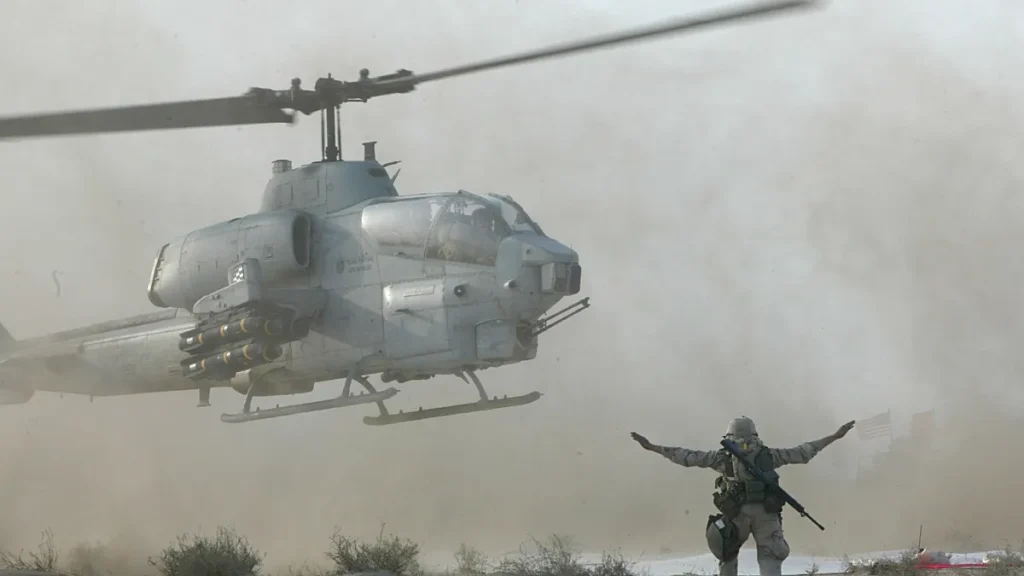
Remarkably, the existence of the base was not detected by Iraqi security forces until a shepherd in the vicinity noticed unusual military movements. The individual, who stumbled upon the activity, observed helicopter operations and instances of gunfire, which led to an immediate alert. This discovery prompted an investigation by Iraqi authorities, revealing the presence of the Israeli facility. The shepherd’s vigilance highlighted the challenges of monitoring such remote and expansive areas.
Upon confirmation, Israel swiftly responded by launching intensive airstrikes that targeted the site. These attacks resulted in the death of one Iraqi soldier, raising questions about the coordination between Israeli and Iraqi forces. At the time, Baghdad expressed skepticism about the circumstances surrounding the incident, attributing the attack to the United States. The deputy commander of Iraqi army operations, Qais al-Mohammadi, remarked:
“This reckless operation was carried out without coordination or approval.”
Operational Intent and US Involvement
The Israeli base was reportedly established to address the possibility of Iranian air defenses downing US aircraft. Following the downing of a US F-15 near Isfahan, Israel offered its services to assist in the rescue of pilots, but the US opted to handle the operation independently. While Israeli forces executed parallel air raids to secure the area, the US’s decision to proceed alone sparked debate about the level of collaboration between the two nations.
Another Iraqi military official, however, expressed concerns about the incident.
“It appears that a force was present on the ground before the strike, backed from the air and operating beyond the capabilities of our units.”
This statement underscores the complexity of the situation, suggesting that the Israeli base may have been operating with a degree of autonomy. Israeli Air Force Chief of Staff Tomer Bar previously stated that special forces were conducting “exceptional operations” during the confrontation with Iran, though he offered little additional insight into their activities.
Geopolitical Tensions and Strategic Considerations
These developments come at a critical juncture in Iraq’s political landscape, as the country navigates a delicate balance between its two primary allies: the United States and Iran. The presence of an Israeli base in the region adds another layer of complexity to this intricate relationship. Baghdad has been striving to maintain its strategic position, often mediating between Washington’s demands for disarming Iran-backed groups and Tehran’s influence in the country.
The United States has continued to exert pressure on Iraq to dismantle groups it classifies as terrorist organizations. These groups, aligned with Iran, have been responsible for attacks on US interests, including the embassy in Baghdad, as well as diplomatic and logistical sites. The Israeli base, while primarily focused on providing aerial cover, may have also served as a hub for intelligence operations, further entangling the geopolitical web.
Desert as a Strategic Haven
The western Iraqi desert, particularly in Anbar province, has emerged as an ideal location for such covert installations. Stretching west of the Euphrates River and connected to the deserts of Syria and Jordan, the region is characterized by its vast, sparsely populated expanse. This environment offers natural camouflage and operational secrecy, making it a strategic choice for military presence.
Known for its harsh conditions, the desert is inhabited by Bedouin communities, who have historically thrived in such environments. The area covers approximately 23% of Iraq’s total territory, and its significance extends beyond its arid terrain. It is rich in natural resources, including confirmed phosphate reserves estimated at around two billion tonnes. Additionally, the region contains deposits of free sulphur, silica sand, and natural gas, which could be crucial for both military and economic operations.
The strategic value of the desert is not only in its geography but also in its resource wealth. These resources could be vital for supporting military activities or for economic gain, potentially influencing Iraq’s political decisions. The presence of an Israeli base in this resource-rich area raises questions about the country’s ability to maintain control over its own strategic assets while engaging with external powers.
Regional Implications and Future Outlook
The discovery of the Israeli base has intensified discussions about the evolving dynamics in the region. As Iraq seeks to manage its relationships with both the United States and Iran, the presence of an Israeli military installation highlights the broader coalition of forces operating in the area. This development may also signal a shift in Israel’s approach to regional security, emphasizing its proactive stance in the face of potential threats.
With the increasing complexity of the geopolitical situation, the need for thorough reconnaissance and inspections has become more critical. The report emphasizes that Baghdad’s ability to conduct these assessments is essential for ensuring transparency and accountability in the region. As tensions continue to rise, the role of the Iraqi desert as a strategic buffer zone is likely to become even more prominent, influencing the outcomes of military and political decisions.

