
Art as survival: US artists’ anti-war artefacts exhibited in Tehran
Art as Survival: US Artists’ Anti-War Artefacts on Display in Tehran
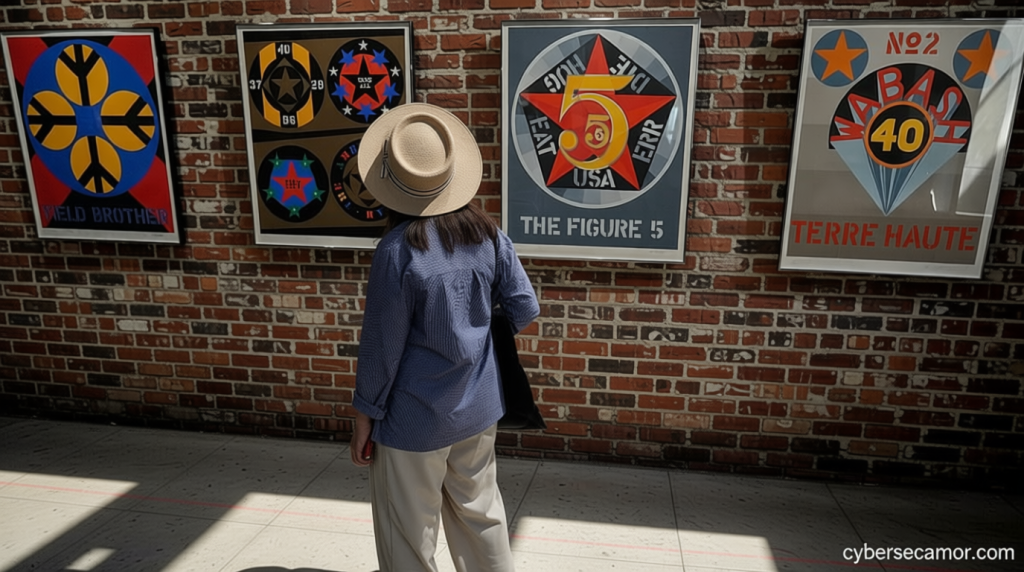
Art as survival – Tehran’s streets, often marked by anti-American propaganda, saw a surge in visitors attending an anti-war exhibition at one of the city’s premier museums. The event, which coincided with heightened tensions in the Middle East, offered a rare opportunity for Iranians to engage with works by American pop artists known for their critical perspectives on conflict. The exhibition, named “Art and War,” showcased pieces by Roy Lichtenstein, Robert Indiana, and James Rosenquist, all of whom used vibrant, accessible styles to challenge the realities of war.
The Curated Collection: A Legacy of Distance
The artworks on display are drawn from the museum’s extensive collection of American and European modern art, which was amassed in the 1970s by Farah Pahlavi, the former shah’s wife. This collection, spanning decades of artistic innovation, has remained largely hidden from public view since the 1979 Islamic Revolution. Its recent unveiling reflects a subtle yet significant effort to bridge cultural divides, even as the political climate remains fraught with ideological clashes.
Rosenquist’s “F-111” stood out for its layered critique of America’s military-industrial complex. The collage combined images of a warplane’s fuselage, a nuclear mushroom cloud, and a child’s face, creating a powerful juxtaposition of destruction and innocence. Similarly, Lichtenstein’s “Brattata” captured the tension of combat through its comic-book-inspired visuals, depicting a fighter-plane pilot in the act of engaging an enemy. Indiana’s contributions, though fewer in the exhibition, added a touch of nostalgic symbolism, with his iconic “Love” series echoing the duality of affection and aggression.
A Voice in the Gallery: Artists and Their Perspectives
Ghazaleh Jahanbin, a Tehran-based artist, observed the exhibition with keen interest. “American artists have consistently employed a distinctive approach to satirizing war, a facet of their work that has long captivated me,” she remarked. Her words underscored the enduring relevance of such themes, even in a city where anti-Western sentiment often dominates public discourse. “Perhaps part of it, I don’t know, comes from their geographical distance from war itself,” she added, suggesting that the artists’ perspective from afar might have influenced their ability to depict conflict with a critical, almost detached lens.
For Mohammad Sadegh Abbasi, a visitor at the event, the exhibition provided a much-needed escape from the pressures of daily life. “Despite the war and all the hardships people are enduring, art is a way of escaping the pressure everyone is under,” he noted. “In other words, art is a means of survival and a way of life.” His sentiment highlighted how the exhibition resonated with younger Iranians, who often viewed the works as a reflection of their own struggles in a world shaped by geopolitical strife.
The Museum’s Strategic Display: A Calculated Response
Reza Dabiri-Nejad, the museum’s director, framed the exhibition as a deliberate act of cultural resistance. “The institution intended the exhibition to be a response to the events unfolding around it,” he explained. “This is why the works showcased had either been shaped by the experience of war or created as a reaction to wars.” His comments emphasized the exhibition’s role in addressing the current climate of conflict, while also celebrating the artistic legacy of the 1960s pop movement.
The 40-day war, which had temporarily shuttered many cultural venues in Iran, had left a mark on the museum’s programming. After the ceasefire, the institution reopened its doors, but the number of works displayed was intentionally limited. “We kept the exhibition scale low to ensure quick relocation in case the war resumes,” Dabiri-Nejad said. This cautious strategy reflected the delicate balance between showcasing art and safeguarding it from potential political backlash.
A Storied History: From Imperial to Theocratic Era
The museum’s collection holds a complex history, dating back to the era of Mohammad Reza Pahlavi, who established it as a symbol of Iran’s close ties with the United States. During the 1970s, when oil revenues fueled economic prosperity and the two nations were staunch allies, the collection was curated to reflect Western artistic influences. Farah Pahlavi, the shah’s wife, played a pivotal role in selecting the artworks, which ranged from Picasso and Van Gogh to Mark Rothko and Francis Bacon. Her choices included Cubist abstractions, Surrealist dreamscapes, and Impressionist landscapes, all of which were later stored in vaults to preserve their integrity under theocratic rule.
Following the 1979 Islamic Revolution, the shah’s regime was replaced by a theocratic government, leading to a period of cultural conservatism. The museum’s collection, once a beacon of international art, became a repository of Western aesthetics, its contents deemed too provocative for the new Islamic values. This curation strategy persisted for decades, until the anti-war exhibition reignited interest in the works’ political significance.
Art as Resistance: A Modern Reimagining
The exhibition’s timing was no coincidence. As tensions between Iran and its neighbors escalated, the display of anti-war art offered a poignant counterpoint to the rhetoric of confrontation. The works, though created decades ago, spoke to the timeless themes of conflict, loss, and resilience. For instance, Lichtenstein’s comic-book-panel style not only critiqued the visual language of war but also made it relatable to a contemporary audience.
Visitors like Ghazaleh Jahanbin found inspiration in the artists’ ability to distill complex emotions into accessible forms. “Their work reminds us that art can be both a mirror and a weapon,” she said, reflecting on how the exhibition bridged the gap between historical and modern struggles. The curated selection, however, was not without its challenges. Dabiri-Nejad noted that the museum’s decision to limit the number of pieces on display was a practical response to the volatility of the region’s political landscape.
A Cultural Reawakening: Art’s Enduring Power
The exhibition also sparked broader conversations about the role of art in times of crisis. “Art is a language that transcends borders,” Abbasi argued, pointing to the universal appeal of the works. “Even in a city where war is a constant theme, these pieces remind us of the human cost and the need for peace.” This perspective aligned with the museum’s goal of using art as a tool for dialogue, despite the risks of censorship or ideological scrutiny.
As the 1960s pop art movement embraced consumer culture and mass production, its anti-war messages now found new life in Tehran. The works, once symbols of American modernity, became vessels for critique, challenging viewers to reflect on their own relationships with conflict. This revival of the collection not only honored the artists’ legacies but also highlighted the resilience of cultural expression in the face of political adversity.
With the ceasefire, the museum’s decision to reopen was met with cautious optimism. Yet, the display of these anti-war artefacts carried a deeper significance, serving as a reminder of the interconnectedness of global conflicts and the shared human experience of war. For many Iranians, the exhibition was a testament to the idea that art, even when created in distant lands, could resonate deeply within their own context, offering both solace and provocation in equal measure.
Legacy and Future: A Hopeful Outlook
The exhibition’s success suggested that the appetite for artistic reflection on war remained strong. As the museum prepared for future events, Dabiri-Nejad hinted at the possibility of expanding the collection’s visibility. “We are exploring ways to reintroduce these

