Trump’s UFC White House event was unforgettable: What you missed

Trump’s UFC White House Event Was Unforgettable: What You Missed
The Spectacle of a Historic Gathering
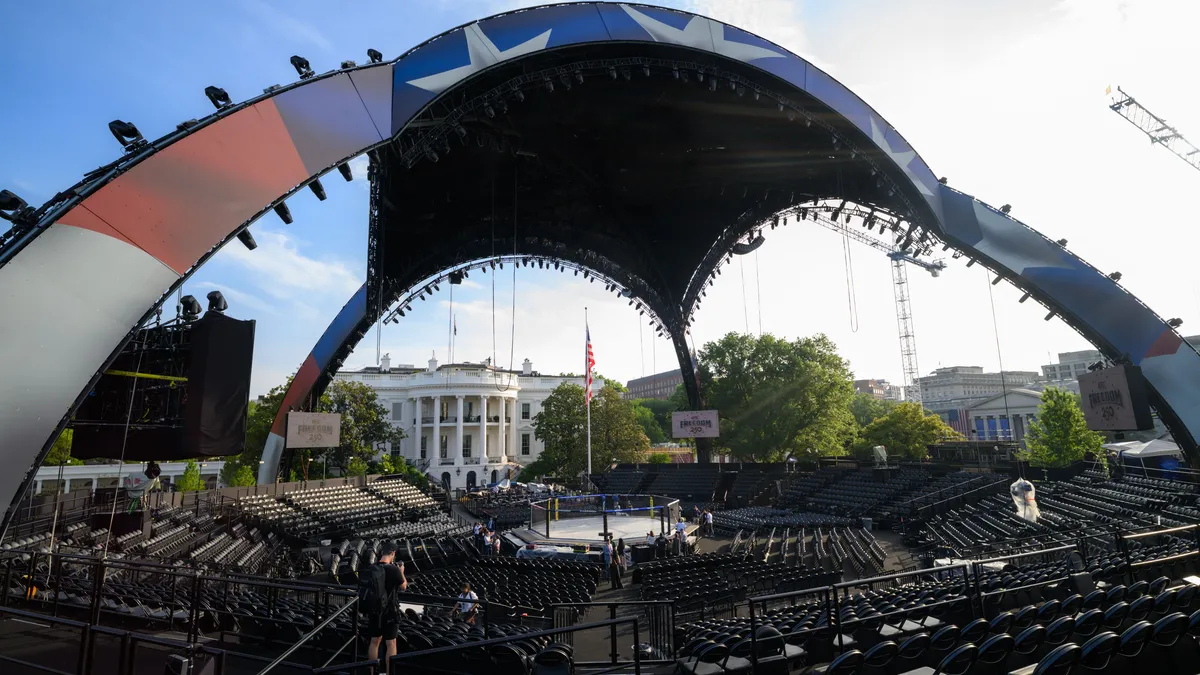
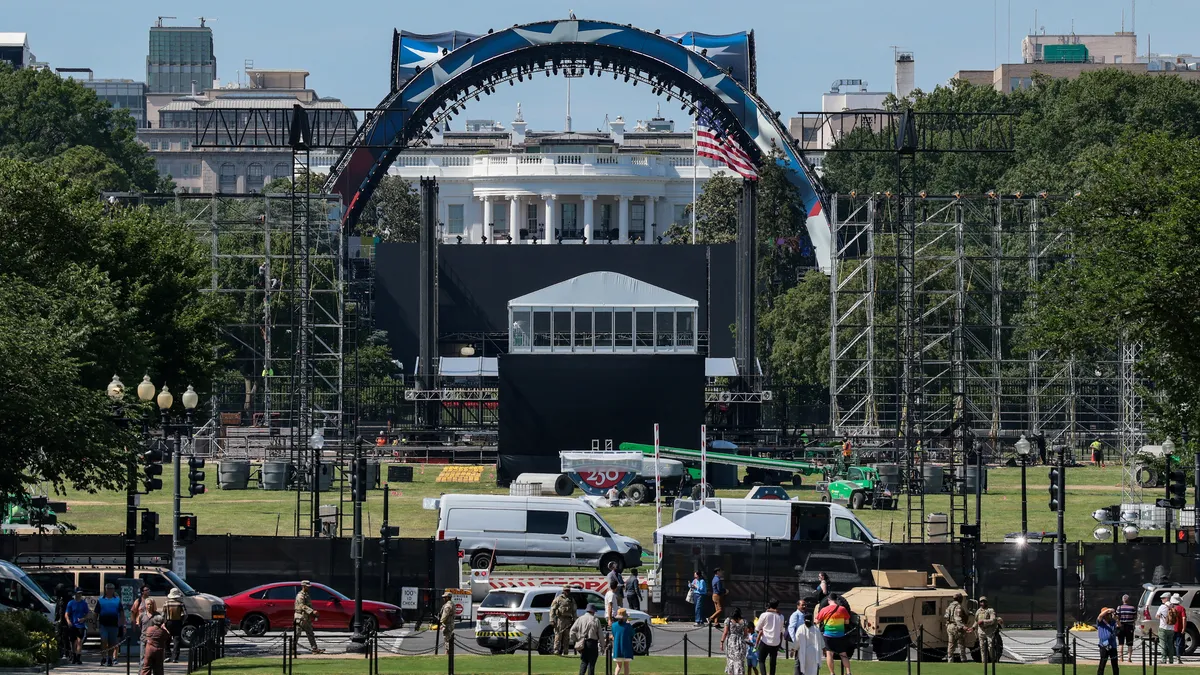
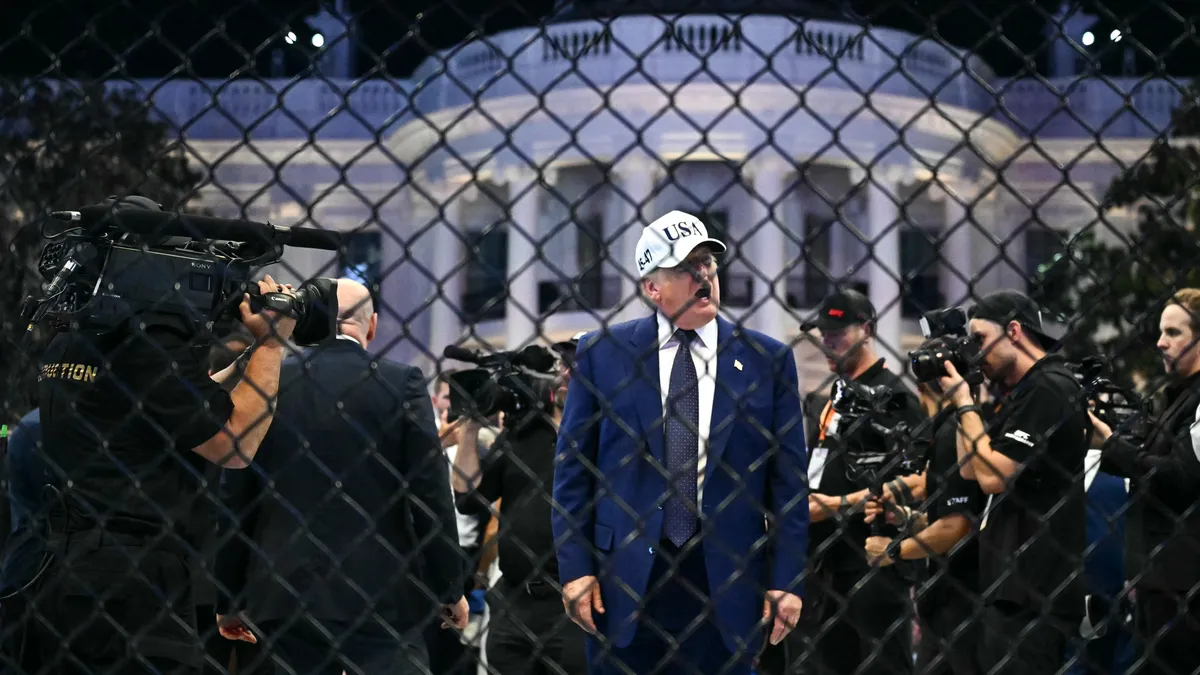
Cybersecarmor.com – On June 15, 2026, the South Lawn of the White House transformed into a stage for high-octane combat. The event, UFC Freedom 250, marked a rare convergence of politics and sport, drawing global attention. President Donald Trump, flanked by First Lady Melania Trump on his left and UFC promoter Dana White on his right, presided over the spectacle. Fighters, fresh from their victories, were seen greeting the president, creating a moment that blended tradition with modernity.
The night began with a dramatic display of national pride. A 12-plane flyover soared overhead, accompanied by the Joint Armed Forces Color Guard from the Military District of Washington. The soldiers marched with precision, their presence underscoring the ceremonial nature of the occasion. Meanwhile, the Zac Brown Band performed the national anthem, their rendition adding a touch of musical grandeur to the scene. Such elements combined to make the event feel like a celebration of both the country’s 250th birthday and the spirit of mixed martial arts.
A Night of Unconventional Triumphs
What stood out most was the intensity of the fights. In the first six bouts, the outcome was clear-cut: every match concluded with a knockout or technical knockout. The lack of judges’ scorecards highlighted the unrelenting pace of the action, leaving spectators in awe. For first-time viewers, the event served as an introduction to the grit and determination required in combat sports. For seasoned fans, it was a reminder of the raw, unfiltered nature of the discipline.
One fighter’s celebration, however, was far from typical. Middleweight contender Mauricio Ruffy, known for his tenacity, took a moment to propose to the mother of his children. The gesture, though brief, captured the personal stakes behind the professional arena. As he looked toward the crowd, it was unclear whether the proposal was met with cheers or quiet reflection. The moment underscored the emotional depth of athletes who balance personal and professional ambitions.
Meanwhile, Gaethje, the American underdog, delivered a performance that redefined the main event. In a thrilling lightweight championship clash, he stunned Ilia Topuria, a rising star in the sport, with a decisive victory. Topuria’s record dropped to 17-1, and his face was left visibly battered after the third round. Despite the damage, Topuria insisted on continuing the fight, a testament to his resilience. The decision to let him stay in the octagon was met with applause, though his performance was undoubtedly diminished.
Controversial Remarks and Unscripted Drama
Not all moments were polished. Josh Hokit, the post-fight commentator, sparked a flurry of reactions with his remarks after defeating Derrick Lewis in a heavyweight bout. The second-round TKO was followed by a tongue-in-cheek monologue that quickly turned contentious. “I’m a man with the plan, the beast that’s ready to feast,” he began, before delivering a sharp jab at the event’s organizers. “You know what, (expletive) this speech.”
“Now listen, Alex Pereira, I’m going to chama on your mama,” Hokit declared, his tone shifting from admiration to mockery. “And lastly, Michelle Obama, is a man! Am I right, America?”
The audience’s mixed responses reflected the polarizing nature of the comment. Joe Rogan, who moderated the in-ring interviews, noted the humor in Hokit’s bravado, but the line about Michelle Obama drew sharp glances from some spectators. The moment served as a reminder of how sports events can become platforms for political and personal commentary, even in the most unexpected settings.
A Tale of Two Fighters: Ruffy and Fury
Later, another fighter took center stage. Mauricio Ruffy, after his knockout of Michael Chandler, stepped into the Octagon for his post-fight interview. The proposal, which had been brewing during the bout, was finally announced as he looked out at the crowd. “I didn’t have enough money to marry her before,” Ruffy said, revealing the personal significance of the moment. Joe Rogan, observing from the sidelines, asked if the proposal had been accepted. Ruffy’s grin answered the question, though the details of the relationship remained intriguing.
Amid the action, a familiar face made a surprise appearance. Tyson Fury, the former heavyweight boxing champion, arrived at the White House between fights. At 6-foot-9, his presence was as commanding as ever, though he opted to stay on the sidelines rather than step into the octagon. Fury’s participation, however, hinted at a larger narrative: his upcoming showdown with Anthony Joshua later this year. Dana White, the UFC’s outspoken CEO, had announced the promotion of the blockbuster event, but Fury remained tight-lipped about its specifics.
Despite his absence from the cage, Fury’s presence added a layer of anticipation. The audience, already captivated by the martial arts spectacle, now had a front-row seat to a historic boxing matchup. Yet, the fight’s outcome was as uncertain as the political undertones of the evening. While the UFC event celebrated the nation’s 250th birthday, the question lingered: would the same energy translate to the boxing ring?
Legacy and Impact: A New Chapter for Combat Sports
The UFC Freedom 250 will be remembered for its unique blend of celebration and competition. Trump’s 80th birthday was not just a personal milestone but a symbolic moment for the sport, as it showcased the growing influence of mixed martial arts in the political sphere. The event also highlighted the global appeal of the UFC, with fighters from diverse backgrounds and cultures bringing their own stories to the stage.
For Gaethje, the victory was a career-defining moment. His backflip off the Octagon fence became an iconic image, capturing the exuberance of a champion. Similarly, Ruffy’s proposal added a human element to the sport, reminding fans that behind the adrenaline and spectacle, there are personal journeys and emotional connections. Even Hokit’s controversial remarks, though brief, sparked conversations about the role of commentators in shaping public perception.
As the night unfolded, the White House’s role in hosting the event became a point of discussion. Critics argued that the choice of venue was a nod to Trump’s political brand, while supporters praised the opportunity to bring high-energy combat sports to a national stage. The event’s legacy, however, lies in its ability to unite audiences through the universal language of competition. Whether through a fighter’s triumph, a commentator’s wit, or a politician’s presence, UFC Freedom 250 left an indelible mark on the intersection of sports and society.
In the end, the 250th birthday celebration was more than a tribute to the nation’s history—it was a showcase of its future. The fighters, the fans, and the political figures all played a role in making the night unforgettable. As the lights dimmed and the crowd dispersed, the echoes of the event lingered, a testament to the power of sports to inspire, challenge, and captivate in even the most unexpected of settings.