Trump uses taxpayer funds for another TV ad, warns of ‘final battle’

Daftar Isi
Trump TV Spot Raises New Questions Over Use of Public Funds Before Midterms
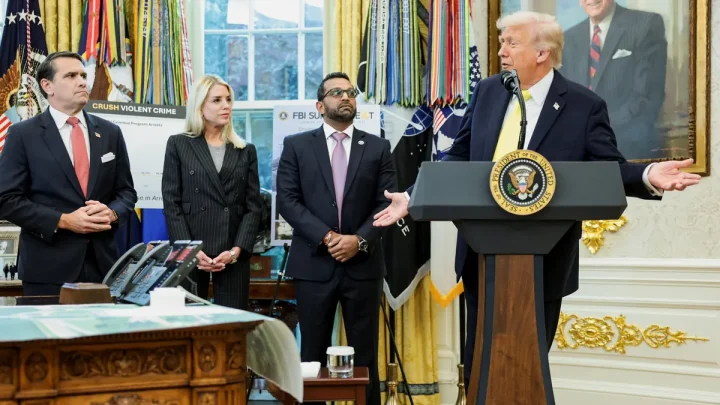
Cybersecarmor.com – With control of Congress set to be decided in the Nov. 3 midterm elections, President Donald Trump has begun airing another television commercial financed with taxpayer money. The 30-second spot appeared during NFL games on Sunday, Sept. 27, and carries a forceful message about confronting political opponents and what Trump describes as threats to the country.
The commercial arrives a little more than five weeks before voters head to the polls. Trump himself is not a candidate in the midterms, but the election will shape the balance of power on Capitol Hill and could affect the administration’s ability to advance its agenda.
Its release has intensified a dispute over whether government resources can be used for a message centered on the president’s political themes. Federal law and yearly spending measures enacted by Congress restrict the use of public money for political advertising. The Hatch Act also places limits on political activity by federal employees.
A black-and-white appeal framed as a national struggle
The new advertisement uses black-and-white images of Trump walking through a hallway while audio from one of his speeches plays. The narration depicts the moment as a decisive confrontation with a range of political and institutional adversaries.
“This is the final battle. With you at my side, we will demolish the deep state. We will expel the warmongers from our government. We will cast out the communists, Marxists and fascists. We will throw off the sick political class that hates our country. We will rout the fake news media, and we will liberate America from these villains, once and for all.”
The language closely resembles themes Trump emphasized during his 2024 presidential campaign, when he used similarly sweeping descriptions of a struggle against entrenched government and political forces. In this instance, however, the central question is not merely the message itself but who paid to place it on television.
The White House has characterized the commercial as a public service announcement rather than an electoral appeal. Officials argue that the spot does not instruct viewers to vote, donate, volunteer, or take another direct political action. They have also stressed that Trump’s name will not appear on the November ballot.
A White House spokesperson speaking anonymously said the ads are meant to encourage Americans to value the country and remember why it should be defended. The official called the campaign educational and openly patriotic, adding that people should feel pride in the United States.
Second taxpayer-funded ad in two weeks
The commercial follows another government-financed Trump advertisement aired the previous week. That earlier spot urged Americans to “defeat communism,” highlighted Trump’s economic record and portrayed his personal resilience. A choir in the background repeated the words “Love me.”
The administration has used the same rationale for both advertisements, maintaining that they are informational rather than political. The White House has not disclosed how much the federal government has spent on the television campaign despite inquiries about its cost.
Critics say the distinction between a public-service message and political promotion is difficult to sustain when a sitting president is the clear focus and the material targets ideological opponents. They note that the latest spot does not explain a particular federal program, public-health initiative, benefit, emergency warning, or policy change that viewers are being asked to understand.
Democrats cite federal spending restrictions
Democratic lawmakers have called for the ads to be removed from television. In a Sept. 24 letter sent after the initial commercial, Sen. Patty Murray, D-Washington, vice chair of the Senate Committee on Appropriations, joined other Democrats in urging White House Chief of Staff Susie Wiles to halt the campaign.
“This is the sort of government propaganda one might expect in North Korea, not the United States of America, and it is an egregious and utterly illegal misuse of Americans’ hard-earned tax dollars.”
The lawmakers pointed to language in the 2026 federal appropriations law prohibiting the use of government funds for domestic publicity or propaganda unless Congress has specifically authorized it. Their objection centers on whether an ad built around Trump’s image and political rhetoric falls within that restriction.
Public Citizen, a progressive consumer-rights advocacy organization, also filed a complaint with the Government Accountability Office last week. The group contends that the commercials violate laws governing propaganda funded by the government and run afoul of Hatch Act limits.
Criticism extends beyond Democratic lawmakers
Some Republicans have expressed discomfort with the advertising effort as well. Sen. John Kennedy, R-Louisiana, said public officials should not use taxpayer dollars to run advertisements focused on themselves.
“I don’t think any public official, including President Trump … should spend public money on private ads for themselves. Now, the White House sees it differently.”
The disagreement illustrates a broader concern that regularly accompanies federally funded communications: government agencies are expected to inform the public, but those messages can draw scrutiny if they appear designed to elevate an elected official or influence an upcoming election.
The White House has compared the Trump commercials with communications efforts under former presidents. It cited Joe Biden’s vaccine promotion, George W. Bush-era Medicare and anti-drug campaigns, and an online video featuring Barack Obama connected to a water rule. It has also invoked Franklin D. Roosevelt’s Office of War Information, which produced radio programming, films and posters during World War II.
Those comparisons have not ended the debate. The earlier examples were tied to identifiable government initiatives, while Trump’s latest commercial focuses instead on defeating broad categories of political adversaries. Whether that difference carries legal consequences may depend on reviews by oversight bodies and the continuing response from Congress.
For voters, the controversy adds another layer to an already consequential midterm season: a dispute not only over campaign rhetoric, but over the boundary between official government messaging and political persuasion paid for by the public.
Related Reading
Frequently Asked Questions
What is Trump uses taxpayer funds for another?
Trump uses taxpayer funds for another is the main topic of this guide. The article explains the context, practical details, and next steps readers should understand.
Why does Trump uses taxpayer funds for another matter?
Trump uses taxpayer funds for another matters because readers are looking for a useful answer, not just a short summary. Good content should match search intent and help them decide what to do next.