Trump says he ‘didn’t guarantee no war’ after pledging not to start wars

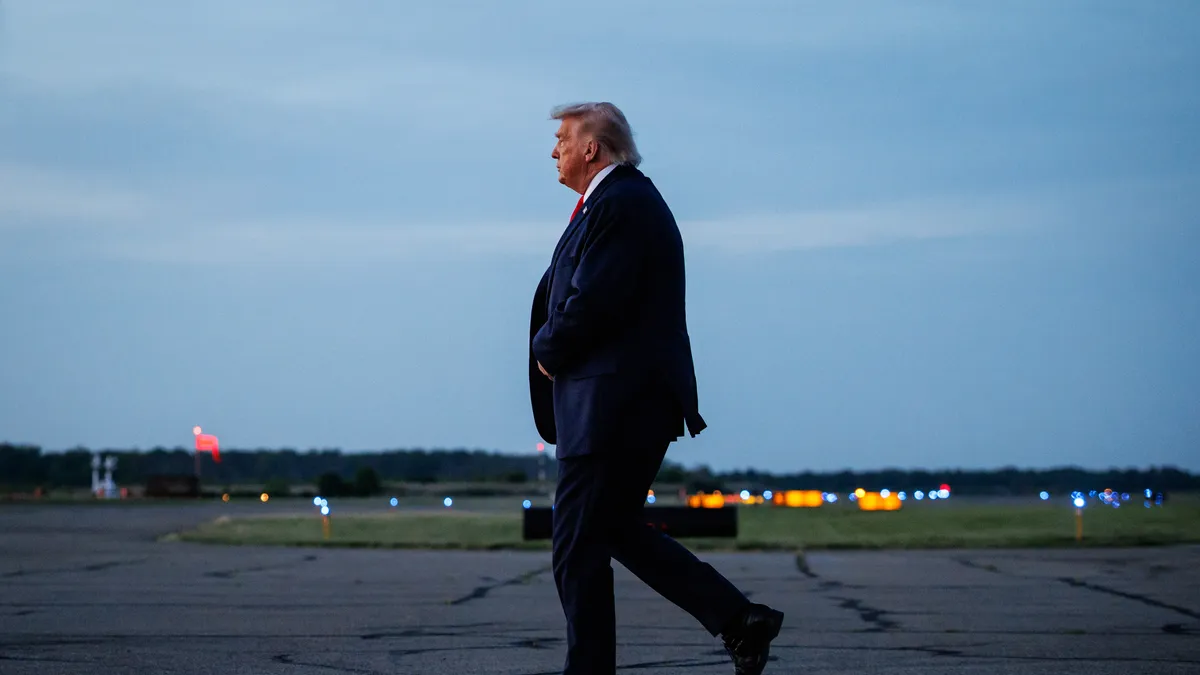
Trump Reverses War Pledge Denial Amid Ongoing Iran Conflict
Cybersecarmor.com – Washington, D.C. — As the United States continues to grapple with a prolonged conflict against Iran, former President Donald Trump has found himself at the center of a heated debate over his earlier promises to avoid escalating military actions. During a June 7, 2026 interview on NBC’s “Meet the Press,” Trump contested claims that he had pledged to prevent war, asserting that he had never guaranteed any conflict. This came despite his 2024 presidential campaign, which prominently featured his vow to steer the nation away from war, a stance he reiterated in his Nov. 6, 2024 victory speech.
Contradictory Statements Spark Debate
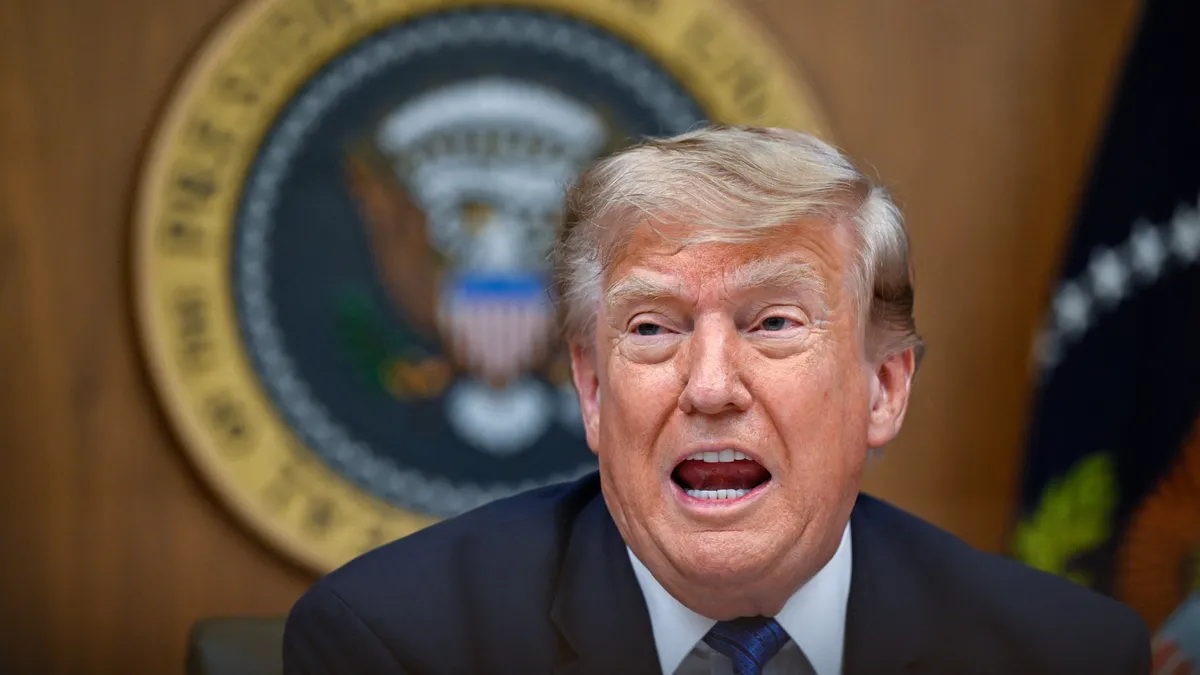
During his post-election address, Trump declared, “I didn’t start a war. I’m not going to start a war. I’m going to stop wars,” a line that became a recurring refrain throughout his campaign. However, in the same interview, he challenged the notion that he had made such a commitment, telling host Kristen Welker, “I didn’t guarantee no war. Why would I have built the strongest military in the world?” His defense underscored the tension between his public assurances and the reality of current military engagements.
“I didn’t guarantee no war. Why would I have built the strongest military in the world?”
Trump further elaborated on his rationale for military action, arguing that intervention was necessary to prevent Iran from acquiring nuclear capabilities. “I have to do this country, this world, the Middle East, Israel, everybody a favor,” he stated. “You have Iran. They’re going to have a nuclear weapon.” This perspective positioned his decisions as a preemptive measure to safeguard national and global security, contrasting with critics who view the ongoing conflict as a departure from his campaign promises.
Defining the Conflict as a Strategic Necessity
While Trump emphasized that the current situation with Iran is not an “endless war,” he sought to distinguish it from previous conflicts in Vietnam, Iraq, and other regions. “This is not an endless war. We’ve been doing this for three months,” he said, highlighting the brevity of the current engagement compared to longer-standing wars. This framing aims to portray his administration’s actions as targeted and efficient, rather than prolonged and costly.
Despite his general pledge to avoid war, Trump’s rhetoric often blurred the lines between specific conflicts and broader military strategies. At a June 28, 2024 rally in Chesapeake, Virginia, he criticized Democratic opponents for their enthusiasm toward warfare, stating, “They like a war. The love wars. You know, they love killing people. It’s so wonderful.” This line reinforced his argument that his campaign was a choice between “STRENGTH or WEAKNESS, COMPETENCE or INCOMPETENCE, peace and prosperity or war and no war,” as he outlined on Truth Social on June 29, 2024.
Following his acceptance speech in November 2024, Trump reiterated his commitment to preventing war, claiming, “Under Trump, we will have no more wars, no more disruptions, and we will have prosperity and peace for all.” Yet, as the conflict with Iran persisted into 2026, his statements took on a more complex tone. During a July 24, 2024 rally in Charlotte, North Carolina, he doubled down on his defense, saying, “I’m the only president in many, many decades that didn’t start a war.” This assertion, however, faced scrutiny as the war dragged on, complicating his narrative.
Political Risks and Public Anxiety
The protracted conflict with Iran has become a political liability for Trump, particularly as Americans grow increasingly concerned about the economic toll of the war. High gas prices, exacerbated by the conflict’s impact on global oil markets, have intensified public pressure on the administration. Despite this, Trump has maintained that his approach is both effective and necessary, stating in a July 27 rally in St. Cloud, Minnesota, that the attack on Beirut by Israel was “certainly not going to help negotiations.”
During the June 7, 2026 interview, Trump acknowledged that the war could be renewed if negotiations stalled. “My red line would be if I think I wasn’t going to make a deal, or if I wasn’t going to make a deal fast enough,” he explained. “We’re having very good negotiations with the people that are leading the country now.” This admission suggested a shift in his stance, as he now appears more willing to engage in military action if diplomacy fails, even while denying that he had previously committed to starting wars.
Current Tensions and Diplomatic Efforts
The recent escalation of hostilities between Israel and Iran on June 8 added another layer of complexity to the situation. Strikes resumed after a brief pause, marking the first direct exchanges since April. Iran’s subsequent announcement to suspend military operations raised hopes for a breakthrough, but Trump’s frustration with the process remained evident. In a phone interview with Fox News on June 7, he criticized Israel’s earlier strikes, saying he was “not happy about it.”
Trump’s campaign had framed the election as a choice between peace and war, yet the reality of the Iran conflict has tested this narrative. His repeated claims that his administration is close to a peace deal with Iran have not yet materialized, leaving room for doubt. The ongoing war, therefore, serves as both a strategic challenge and a political risk, especially as midterms approach and public sentiment shifts.
Media Scrutiny and Trump’s Response
The NBC interview, which aired on June 7, 2026, was marked by Trump’s combative style. The session, which was briefly interrupted when Welker questioned his baseless claims about a rigged California primary election, ended abruptly. This moment highlighted his tendency to deflect criticism, even as his policies face scrutiny. Trump’s denial of the war pledge came under fire from analysts and opponents, who argued that his actions contradict his earlier promises.
Despite this, Trump has continued to emphasize his leadership in foreign affairs, insisting that his decisions are rooted in national interest. “I kept you out of wars. We had no wars with Donald Trump as your president,” he stated during a July 24, 2024 rally, attempting to reframe his legacy. However, the war in the Middle East has challenged this image, forcing him to reconcile his campaign rhetoric with the realities of international conflict.
As the conflict with Iran continues, Trump’s statements reflect a strategic balancing act. While he denies making a war guarantee, his administration’s actions suggest otherwise. This contradiction has fueled debates about his commitment to peace, with critics arguing that the war is a direct consequence of his policies. Meanwhile, supporters maintain that his decisions are driven by a desire to protect American interests and prevent a nuclear threat from Iran.
With the 2026 midterm elections looming, the war’s duration has become a focal point for political discourse. Trump’s ability to navigate this tension—between his promises and the current conflict—will likely shape his narrative as the campaign progresses. Whether his assertions hold true or not, the war remains a defining issue, testing the limits of his campaign’s messaging and the public’s patience.