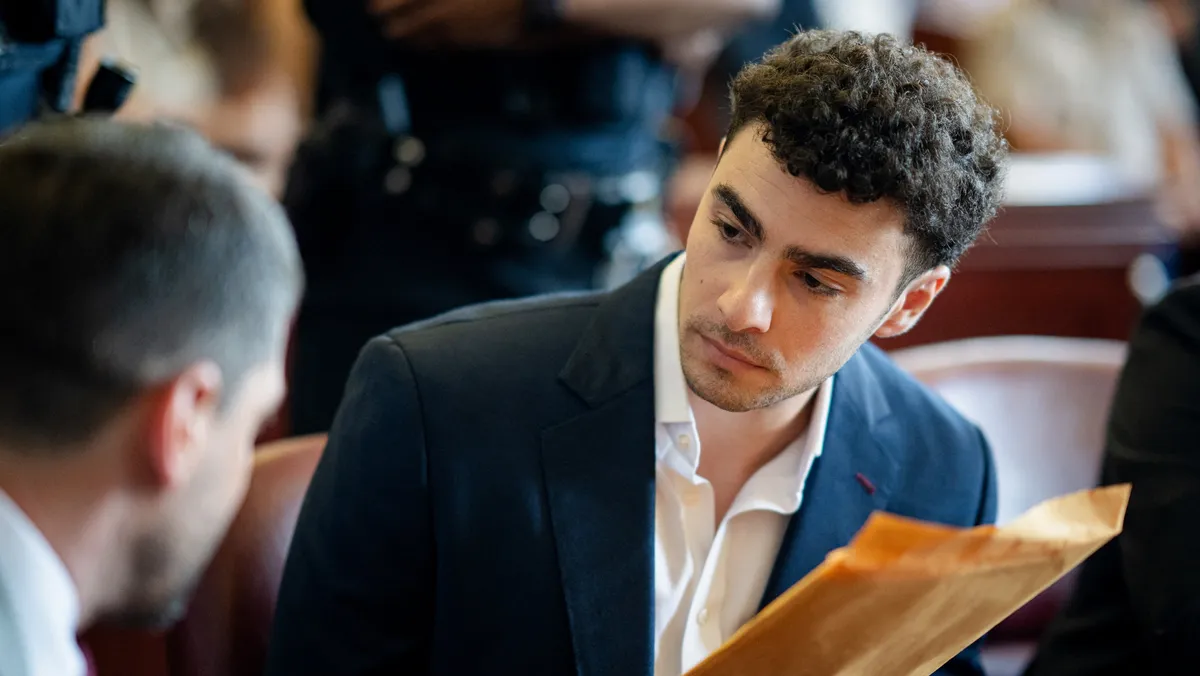
Canadian billionaire Frank Stronach convicted of sexual assault

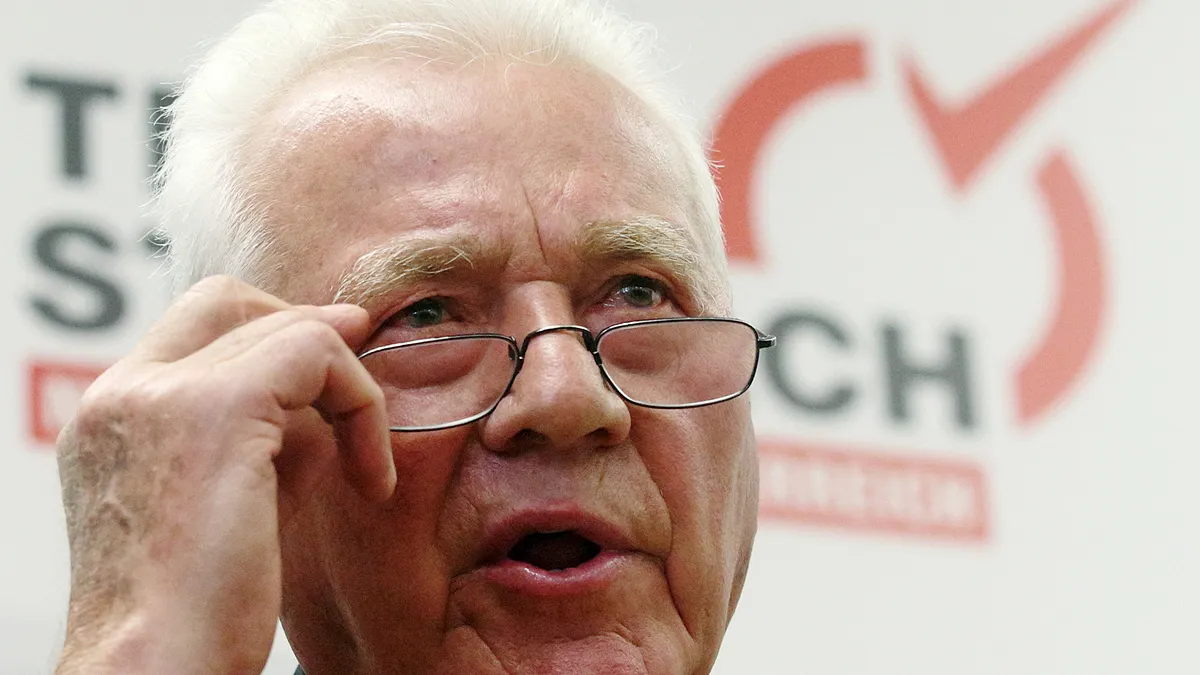
Canadian Business Magnate Frank Stronach Convicted in Sexual Assault Case
Conviction and Verdict
Cybersecarmor.com – In a landmark ruling delivered on June 19, 2026, Canadian business magnate Frank Stronach was convicted of two charges: sexual assault and indecent assault. The Ontario Superior Court Judge Anne Molloy highlighted the defendant’s actions as “gross and disgusting,” underscoring the severity of the case. While the jury found Stronach guilty of the specific allegations, they acquitted him on other serious charges, including attempted rape and full rape.
Stronach, 93, has been a prominent figure in Canadian business for over six decades. The conviction marks a significant moment in his legal journey, which began with his arrest in 2024 on multiple charges related to alleged misconduct dating back to the 1970s. The court’s decision reflects the culmination of a complex case that spanned years of investigation and testimony.
Case Background
Stronach, an Austrian-born billionaire, founded Magna International in 1957, which would later grow into a global automotive parts giant. The company, once a cornerstone of his empire, distanced itself from him in 2010 when he relinquished control. Despite this, the allegations against him have persisted, casting a long shadow over his legacy.
The charges against Stronach emerged in 2024, leading to his indictment for a range of offenses, including sexual assault and rape. Prosecutors argued that the misconduct occurred over several decades, with incidents reported from the 1970s up to the present. The case has drawn attention not only to Stronach’s personal conduct but also to the legal system’s approach to prosecuting historical allegations against high-profile individuals.
Details of the Allegations
The trial, which commenced in February 2026, centered on two specific incidents. The first alleged sexual assault occurred in the early 1980s, when a woman claimed she was attacked at Stronach’s Toronto condominium following a dinner nearby. The second incident, from the late 1970s, involved a woman who testified that Stronach groped her at his condo, describing the behavior as indecent.
During the proceedings, the prosecution presented evidence detailing Stronach’s actions, while the defense emphasized inconsistencies in the accounts and the passage of time. Stronach himself did not take the stand, choosing instead to let his legal team present arguments. The jury’s decision to convict on two charges suggests a consensus that these incidents were serious enough to warrant a guilty verdict, though not the most severe offenses.
Legal Implications and Public Reaction
Leora Shemesh, one of Stronach’s attorneys, expressed satisfaction with the outcome, stating, “We are extremely happy that the rape and additional sexual assault allegations have been dropped.” However, she also voiced disappointment over the convictions on the two charges deemed “relatively minor” by her office. The lawyer’s comments highlight the tension between the gravity of the allegations and the legal framework used to evaluate them.
“We are disappointed by the convictions on the two very minor offenses,” Shemesh said in an email.
Public reaction has been mixed. While some view the conviction as a necessary step toward accountability, others argue that the charges were downplayed in comparison to the full scope of Stronach’s alleged misconduct. The case has reignited debates about how historical sexual offenses are treated in modern legal settings, particularly when the accused has amassed significant wealth and influence over time.
Future Legal Proceedings
Stronach is set to receive his sentence following the verdict, with the court determining the appropriate penalties. The outcome of this trial does not mark the end of his legal troubles, as he is scheduled to stand trial again in 2027 for another sexual assault case. This upcoming proceeding will likely delve deeper into additional allegations, potentially expanding the narrative of his behavior over the years.
The conviction has also raised questions about the role of Magna International in the case. While the company officially severed ties with Stronach in 2010, the legal proceedings have brought renewed scrutiny to its past association with the billionaire. Magna’s current leadership has not publicly commented on the verdict, but the case may impact its public image and relations with stakeholders.
Legacy and Impact
Frank Stronach’s career has been defined by his entrepreneurial spirit and the growth of Magna International, which became a major player in the automotive industry. However, the sexual assault convictions have challenged that legacy, forcing a reevaluation of his contributions and conduct. The case serves as a reminder that even celebrated figures are subject to legal scrutiny, and their past actions can resurface years later with significant consequences.
The judge’s description of the behavior as “gross and disgusting” has added emotional weight to the verdict. This phrasing underscores the personal and professional impact of the allegations, particularly as they relate to Stronach’s status as a Canadian icon. The trial has also highlighted the role of memory and perception in shaping legal outcomes, with witnesses and jurors drawing from decades-old incidents to form their judgments.
Broader Context
Stronach’s case is part of a larger trend in which high-profile individuals face justice for past misconduct. Legal experts note that such cases often require balancing the weight of historical evidence with the passage of time. In Stronach’s instance, the prosecution relied on testimonies from victims who came forward to recount their experiences, while the defense focused on the lack of definitive proof for the most severe charges.
The verdict may also influence how other cases of similar nature are handled in the future. With Stronach’s age and the time elapsed since the alleged incidents, the court’s decision to convict on lesser charges has sparked discussions about the standards of evidence required in sexual assault trials involving older defendants. Legal analysts suggest that this case could set