Travelers report missing flights under Europe’s new entry system

Travelers Report Missed Flights Amid Europe’s New Biometric Entry System Delays
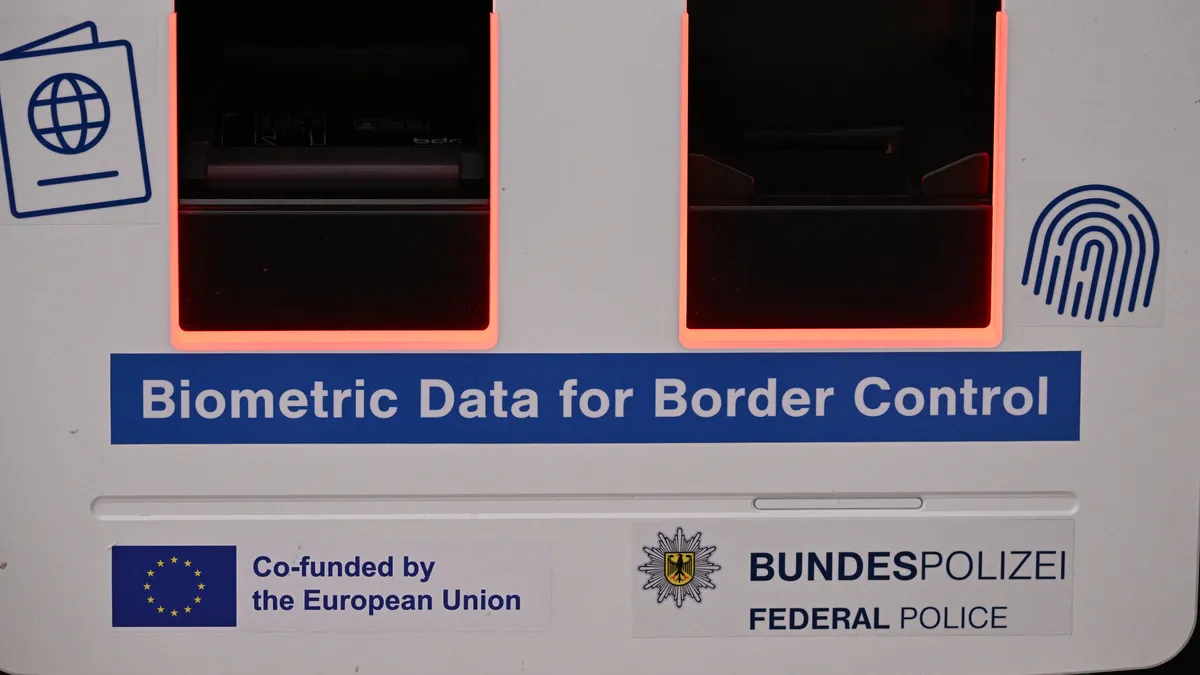
Cybersecarmor.com – As summer travel season kicks off, European destinations are facing a new challenge that could disrupt the flow of visitors. Travelers have begun reporting significant delays at border checkpoints, with some spending hours waiting to enter the Schengen Area, potentially leading to missed flights and altered travel plans. These issues have sparked concerns about the effectiveness of the Union’s latest border control initiative, the biometric Entry/Exit System (EES), which was launched in phases earlier this year.
The Rollout of the EES and Its Intended Purpose
The EES was gradually introduced on October 12, 2025, with a full rollout completed by April 10. This system replaces traditional manual passport stamps with digital biometric checks, requiring visitors to undergo face and fingerprint scans as part of the entry process. The European Union’s official website describes the EES as a tool to modernize border security and improve efficiency for non-EU nationals on short-term stays. By digitizing the process, authorities aim to reduce processing times and create a more seamless experience for international travelers.
However, the transition has not been without hiccups. Reports from the field indicate that the system is causing congestion at key entry points, particularly in popular countries like Italy, Portugal, and Spain. Some travelers are now facing wait times that stretch beyond the expected norm, raising questions about the system’s readiness. According to the Independent, British tourists have been advised to anticipate delays of up to six hours at major European airports, which could force last-minute adjustments to their itineraries.
Challenges at the Frontlines
At Brussels Airport, one traveler shared their frustration with Newsweek, noting that biometric kiosks were either nonfunctional or experiencing technical failures. This lack of operational reliability, combined with insufficient communication from airport staff, has left many passengers in a state of confusion. “The process was completely disorganized,” the traveler said. “We arrived early, but the machines were down, and no one had a clear plan for how to proceed.”
Such experiences are not isolated. The European Commission has been contacted by USA TODAY for comment, highlighting the growing interest in addressing these issues. Officials have yet to provide a detailed timeline for resolving the technical problems, but the situation has already impacted travelers’ confidence in the system. With the Schengen Area’s borders now fully digitized, the EES’s intended goal of enhancing security and streamlining travel seems to be at odds with the current reality of long queues and disrupted schedules.
The Economic Impact of Persistent Delays
A recent study by the World Travel & Tourism Council (WTTC) underscores the potential consequences of these delays. The research, which surveyed over 2,500 travelers from Australia, Canada, the United Kingdom, and the United States, reveals that prolonged wait times at border crossings could deter a significant portion of the global tourist population. The findings suggest that if delays of three to four hours become routine, roughly one-third of respondents would reconsider their plans to visit the Schengen Area. This shift could translate to a loss of up to 41 million visitor arrivals and $45.4 billion in expected spending, according to the travel organization.
“As with any major transformation, there will inevitably be teething problems,” said Gloria Guevara, WTTC’s president and CEO, in a press release. “The challenge now is not whether EES should proceed, but how governments, border authorities, and the travel and tourism sector work together to ensure the implementation is as smooth as possible.”
Guevara emphasized the need for collaboration between stakeholders to address the current bottlenecks. While the majority of travelers support the modernization of border processes, nearly half admitted they were unaware of the specific requirements under the new system. This knowledge gap, coupled with inconsistent technology performance, has led to a mix of frustration and skepticism among visitors.
Technological Hurdles and Operational Readiness
The EES’s technical challenges are a critical factor in the delays. The system relies on advanced biometric scanning technology, which must function seamlessly across all Schengen border crossings. However, reports from the ground suggest that the infrastructure is not yet fully optimized. At some airports, the digital kiosks are either underutilized or broken, forcing travelers to rely on manual check-in processes that are slower and more prone to errors.
These issues have also created a bottleneck in customs operations. The introduction of biometric scans has increased the volume of data processed at each checkpoint, but the system’s software and hardware are not yet equipped to handle the load efficiently. In some cases, travelers have been asked to repeat scans or provide additional documentation, which adds to the time spent in line. “The technology is promising, but the execution is lagging,” said one analyst, highlighting the disconnect between the system’s design and its real-world performance.
Strategies for Improvement
Despite the current setbacks, experts believe there are viable solutions to mitigate the delays. Guevara suggested that increasing the use of digital pre-registration tools could help reduce the burden on border staff. By allowing travelers to complete necessary paperwork online before arrival, the system could process more visitors quickly and efficiently. Additionally, improving communication channels for passengers—such as clear signage, real-time updates, and multilingual support—would enhance the overall experience.
The WTTC’s research also points to the importance of ensuring operational readiness at all border points. A patchwork approach, where some airports perform better than others, has created an uneven landscape for travelers. This inconsistency may deter tourists from choosing certain destinations, even if the EES is ultimately successful. For instance, a traveler from the United States noted that their experience in Spain was vastly different from their time in Germany, where the process moved more smoothly.
A Broader Shift in Travel Experience
As the EES becomes fully operational, the emphasis on biometric technology is reshaping the travel experience. While the system promises faster processing times and enhanced security, its current implementation has exposed vulnerabilities in the transition phase. The delays are a stark reminder that even well-planned systems require time to adapt to real-world conditions. For now, travelers are left to navigate a mix of automated and manual processes, with the hope that the system will stabilize as more training and support are provided.
Looking ahead, the success of the EES will depend on its ability to integrate smoothly with existing infrastructure. Governments and border authorities must work closely with the travel industry to identify and resolve pain points. If the system continues to cause disruptions, it could lead to a broader reevaluation of its design. “The EES is a step in the right direction, but the next phase is about refining the execution,” Guevara added. “Europe has the tools to make this work, but it needs to act swiftly to prevent long-term damage to its tourism reputation.”
For the millions of visitors expected to flock to the EU this summer, the hope is that these initial hurdles will be overcome. As the system refines itself, the goal remains to provide a secure and efficient entry process that aligns with the expectations of modern travelers. Until then, patience—and perhaps a bit of flexibility—will be key to navigating the new era of biometric border controls.