Trump pardons ex-Republican congressman. What was he convicted of?

Trump Pardons Ex-Republican Congressman. What Was He Convicted Of?
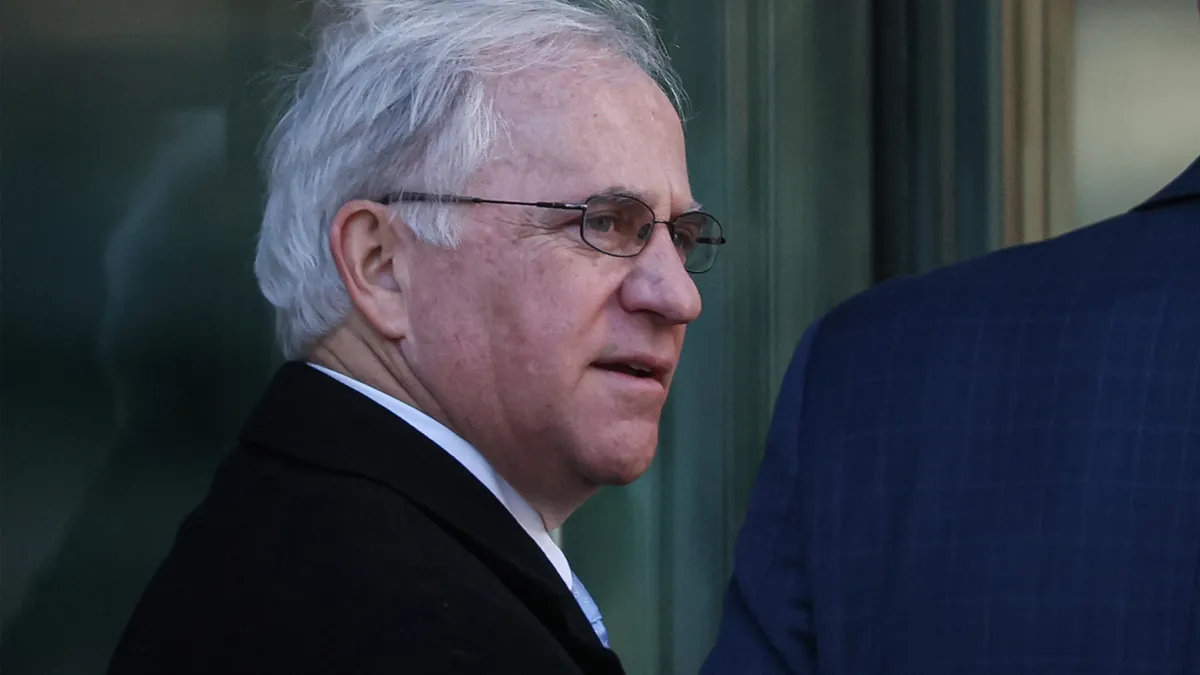
Cybersecarmor.com – On June 4, President Donald Trump announced the pardon of former Indiana Republican Congressman Steve Buyer, a decision that follows his 2023 conviction on charges of insider trading. The move has sparked discussions about the political motivations behind the clemency, as well as the broader implications of Trump’s use of presidential power to shield allies from legal consequences.
A Political Pardon in the Spotlight
Trump’s decision came after weeks of signaling potential pardons through social media, where he shared several letters from individuals seeking clemency for Buyer. Among these, a notable letter dated April 18, 2025, was authored by former Republican House Speaker John Boehner and over a dozen other former lawmakers. They highlighted Buyer’s role in the 1999 impeachment of former President Bill Clinton, emphasizing his political contributions and suggesting he was targeted during Joe Biden’s administration for his work.
“Like you, he has suffered the consequences of a politically weaponized federal and state judiciary,” the letter read, underscoring the argument that Buyer’s conviction was part of a broader effort to undermine Republican figures.
This narrative aligns with Trump’s ongoing critique of the justice system, which he has described as a tool for political retaliation. The pardon, therefore, is seen not just as an act of mercy but as a strategic move to rehabilitate a key ally’s reputation and reinforce his vision of a fairer legal process.
The Insider Trading Conviction
Buyer’s legal troubles began in 2023, when a federal jury in New York found him guilty of trading stocks based on non-public information. The case hinged on his consulting work, which provided access to sensitive data about corporate mergers and deals. Prosecutors alleged that Buyer profited approximately $350,000 from these transactions, with one notable instance involving his purchase of Sprint shares prior to the company’s 2018 merger with T-Mobile. The evidence presented during the trial, which spanned over a week, revealed that Buyer had received confidential details about the merger through his professional network, enabling him to make timely trades.
While the conviction confirmed Buyer’s involvement in insider trading, it did not immediately impact his current status. He had been released from federal prison in early 2025 after serving his sentence, but the pardon now offers additional benefits. It removes him from ongoing parole supervision and reinstates certain civil rights, including the eligibility to hold federal office. These privileges are significant, as they allow Buyer to reengage in political activities and potentially regain public trust.
Trump’s Clemency Strategy and Campaign Promises
Trump’s action reflects a pattern of using pardons to support individuals he believes were unfairly judged. The president has long maintained that his legal team is committed to clearing those accused of wrongdoing, particularly during his second term. His 2025 swearing-in ceremony marked a major milestone in this effort, as he pardoned over 1,500 people for crimes connected to the January 6, 2021, Capitol riot. Among those granted clemency were high-profile figures such as former U.S. Representative George Santos, former Trump attorney Rudy Giuliani, and reality TV stars Todd and Julie Chrisley.
Buyer’s case adds to this list, which includes other notable names like rapper NBA YoungBoy, Chicago gang leader Larry Hoover, and Binance founder Changpeng Zhao. The pardon of Rep. Henry Cuellar, a moderate Texas Democrat, also highlights Trump’s approach to rewarding loyalty, even as he later criticized Cuellar for not switching parties. Similarly, former Honduran President Juan Orlando Hernandez received a presidential reprieve, further illustrating Trump’s global influence in legal matters.
Trump’s legal team has framed these pardons as part of a broader campaign to address what they call the “weaponization” of the justice system. This perspective is rooted in his conviction in a New York case, which he is appealing, as well as his earlier legal challenges. Following his 2024 election victory, multiple cases against him were dismissed, reinforcing his narrative of political persecution. The pardons, therefore, are not only about personal loyalty but also about demonstrating control over the legal process.
The Reputational Impact and Political Context
For Buyer, who has consistently denied guilt, the pardon may serve as a reputational lifeline. Supporters argue that it acknowledges the potential for judicial bias, particularly in cases involving prominent Republicans. The timing of the clemency—during a period of heightened political tension—could be designed to bolster Buyer’s standing in the party and align him with Trump’s agenda.
Trump’s use of pardons also reflects his broader strategy to consolidate power and support his base. By addressing past convictions, he aims to present himself as a leader who can reverse perceived injustices. This approach is consistent with his campaign promises to protect individuals from “lawfare,” a term he has used to describe the application of legal tactics to politically disadvantage opponents.
The case of Alice Marie Johnson, a 63-year-old grandmother who served 20 years in federal prison, further illustrates Trump’s clemency priorities. Media mogul Kim Kardashian, a prominent advocate for Johnson, successfully lobbied the president to pardon her, showcasing the role of public figures in shaping his decisions. While Johnson’s case is separate from Buyer’s, it underscores the personal and political dynamics behind Trump’s pardons.
Broader Implications and Legal Trends
Buyer’s pardon is part of a trend where Trump has prioritized restoring civil rights for those convicted of nonviolent crimes. This strategy not only helps individuals reintegrate into society but also serves as a political tool to generate goodwill. The 2025 pardons, which included figures from diverse backgrounds, were intended to demonstrate Trump’s ability to govern effectively and deliver on his campaign promises.
However, the decision has also raised questions about the fairness of the legal process. Critics argue that the pardons may be used to shield individuals from accountability, particularly in cases where the charges are seen as politically motivated. The insider trading conviction against Buyer, while specific, highlights the broader issue of how legal outcomes can reflect partisan interests rather than objective justice.
As Trump continues to leverage his pardoning authority, the case of Steve Buyer serves as a case study in the intersection of personal politics and legal consequences. The president’s ability to commute sentences and restore rights underscores the power of the executive branch, while the choice of recipients reflects his vision of a justice system aligned with his priorities. Whether this move is viewed as a triumph or a concession will depend on how it is perceived in the context of ongoing legal battles and political maneuvering.
Ultimately, the pardon of Steve Buyer is a strategic statement that bridges his past and present. It reinforces Trump’s commitment to defending those he considers victims of political persecution, even as it raises questions about the impartiality of the legal system. The case remains a focal point in discussions about executive power, accountability, and the role of politics in shaping legal outcomes.