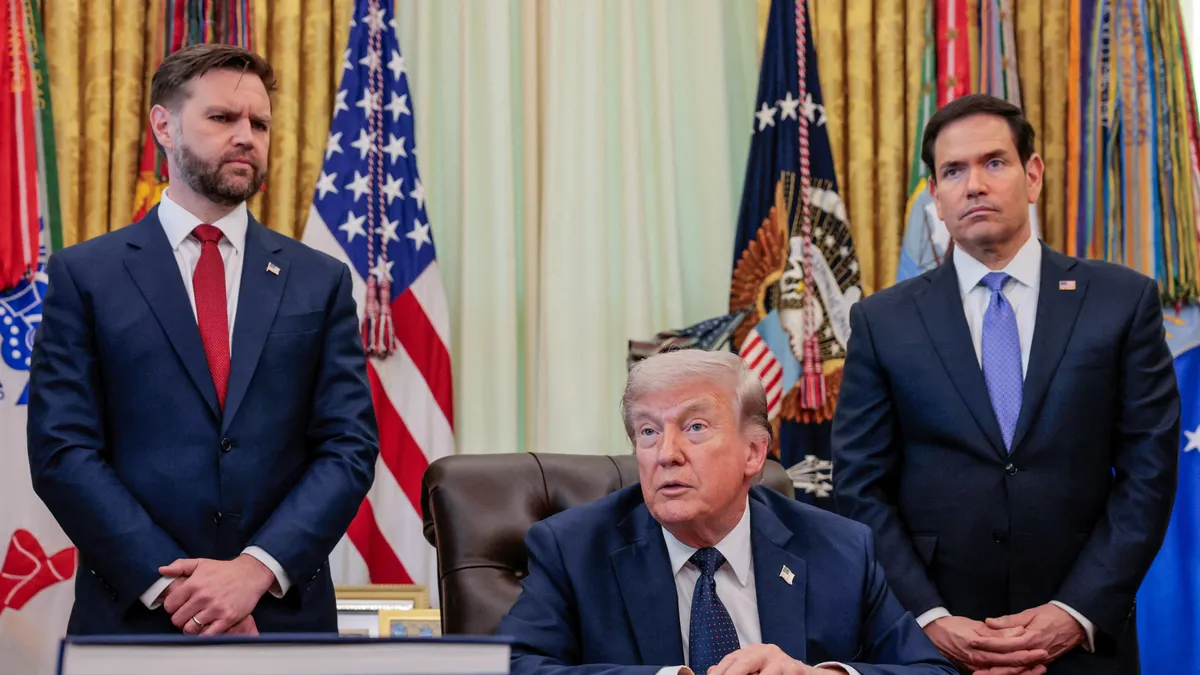
Trump asks Supreme Court to revive White House ballroom project

Daftar Isi
Supreme Court Urged to Allow White House Ballroom Construction to Proceed
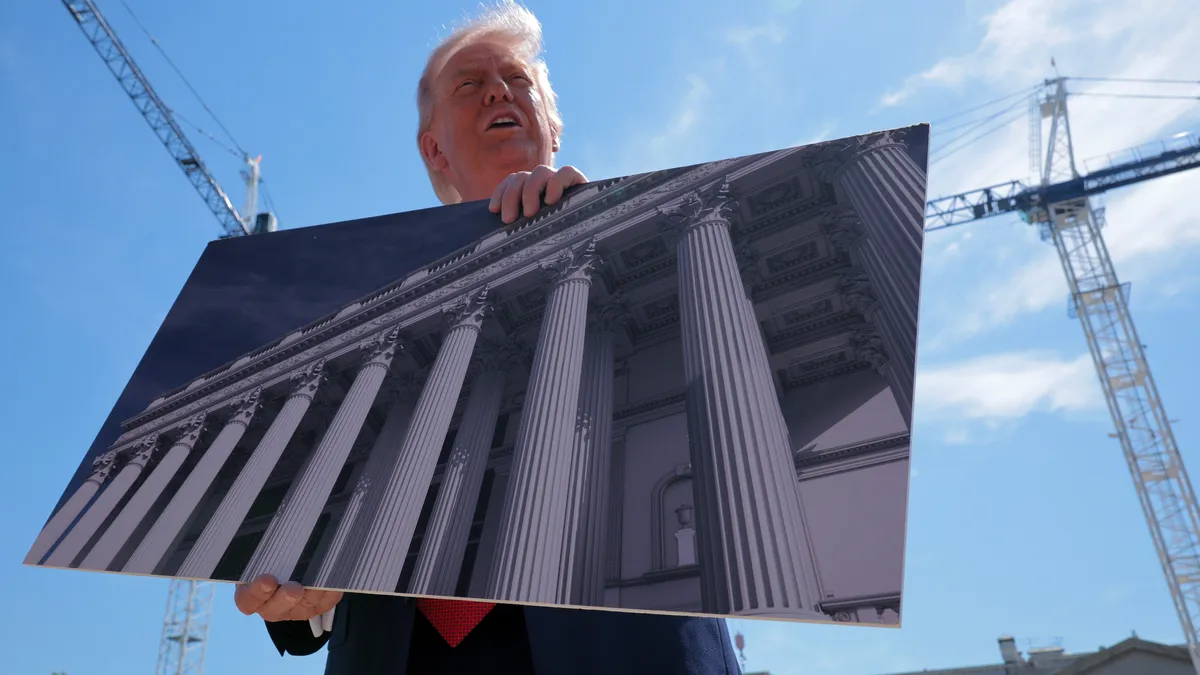
Cybersecarmor.com – The Trump administration has formally petitioned the Supreme Court to permit ongoing construction of its ambitious $400 million White House ballroom, contending that lower federal courts misinterpreted the legal requirements for the project. In an emergency filing submitted Friday, August 14, 2026, government lawyers argued that the administration possesses sufficient authority to proceed without additional congressional authorization.
The appeal seeks to temporarily lift a judicial order that had suspended above-ground construction while legal challenges remain pending. The administration maintains that halting the entire project would compromise security infrastructure and create significant vulnerabilities for the presidential residence and its occupants.
Legal Dispute Over Construction Authority
The controversy began last October when President Trump ordered the demolition of the East Wing to make way for a 90,000-square-foot ballroom funded entirely through private donations. The ambitious renovation was designed to accommodate large-scale diplomatic events and state dinners that had previously been held in temporary tent structures.
The National Trust for Historic Preservation initiated legal proceedings challenging the project’s scope and execution. A federal district court judge subsequently ruled that only underground work—specifically bomb shelters and security-related infrastructure—could continue while the broader legal questions were resolved.
This month, the U.S. Court of Appeals for the D.C. Circuit affirmed the district court’s decision in a 2-1 ruling. However, the appeals court delayed the order’s immediate implementation, providing the administration an opportunity to seek Supreme Court review.
It is Congress’s job to ensure that any major construction and security projects at the White House will protect the safety of all Presidents, present and future, while preserving the historical and architectural significance of this unique location.
Dissenting Opinion Highlights Security Concerns
Circuit Judge Neomi Rao, appointed to the D.C. Circuit by President Trump, issued a forceful dissent challenging the majority’s reasoning. She argued that the district court had overstepped by imposing architectural constraints on construction that directly impacts presidential security.
The government should not be forced to rely on the district court’s architectural approval to secure the President’s home and office.
The ideological divide on the panel was notable. Alongside Rao’s dissent, the two judges who supported the district court’s ruling—Patricia Millett and Brad Garcia—had both been appointed by Democratic presidents, highlighting the political dimensions of the legal dispute.
Administration’s National Security Arguments
Government lawyers have presented extensive arguments that the ballroom project is essential for maintaining the White House’s security posture. They contend that incomplete construction would leave the building “open and exposed,” potentially creating “grave national-security harms” for the president, his family, and White House staff.
Director of National Intelligence Jay Clayton emphasized the project’s importance in his Supreme Court filing, stating that the ballroom is critical for ensuring the White House can function as a secure venue for presidential gatherings, senior government meetings, and events advancing American interests.
The administration further argues that Congress has historically authorized all presidents—Trump included—to renovate, secure, and protect the White House complex as circumstances require. Additionally, the Justice Department has challenged the standing of a single National Trust member to sue based on what it characterized as “subjective preference” regarding the building’s appearance.
Project Status and Future Implications
Current court orders permit certain construction activities to continue, including below-ground bunker development, bomb shelter work, military and medical infrastructure installation, and above-ground construction necessary to protect these underground facilities.
According to the Justice Department’s appeal, the ballroom project has reached 65 percent completion and has “passed the point where major changes” to the architectural design remain feasible. The administration estimates that construction will conclude several months before the end of Trump’s presidential term.
The appeals court acknowledged the administration’s national security concerns but cautioned that such arguments “are not an automatic get-out-of-law-free card.” The majority opinion warned that claims of executive authority to act without judicial oversight could undermine constitutional principles.
The bold assertion that the Executive can act with utter lawlessness, destroying treasured national landmarks and harming the interests of individuals, and that no court can stop it, flouts our constitutional order.
Trump’s Broader White House Transformation
The ballroom represents only one element of President Trump’s extensive White House renovation program. Drawing on his real estate background, the president has implemented numerous changes throughout the executive residence, including replacing the traditional Rose Garden lawn with a paved patio and adding gold leaf decoration to the Oval Office.
For years, Trump had advocated for a dedicated ballroom space capable of hosting large diplomatic gatherings without relying on temporary tent structures. The National Trust for Historic Preservation has countered that the project’s scale threatens to “overwhelm the White House itself,” potentially altering the historic character of the iconic building.
As the Supreme Court considers whether to intervene, the outcome could establish important precedents for presidential renovation authority and the balance between executive action and judicial oversight in protecting America’s most significant architectural landmark.
Related Reading
Frequently Asked Questions
What is Trump asks Supreme Court to revive?
Trump asks Supreme Court to revive is the main topic of this guide. The article explains the context, practical details, and next steps readers should understand.
Why does Trump asks Supreme Court to revive matter?
Trump asks Supreme Court to revive matters because readers are looking for a useful answer, not just a short summary. Good content should match search intent and help them decide what to do next.