People are injecting fat from dead bodies. It’s called ‘zombie filler’

Daftar Isi
The Rising Trend of Cadaver-Derived Fat in Cosmetic Procedures
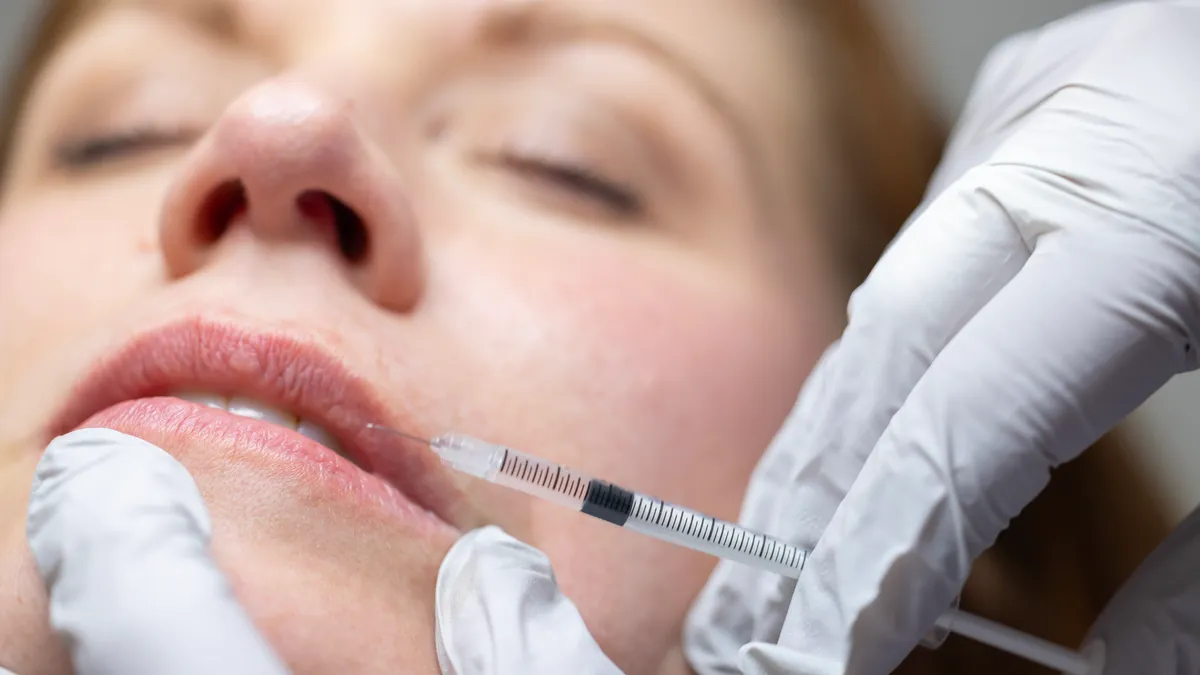
Cybersecarmor.com – A growing number of patients seeking cosmetic enhancements are turning to an unexpected source for their fillers: human donors who have passed away. This emerging practice has earned the nickname “zombie filler” as more individuals opt to have fat harvested from cadavers rather than relying on their own body fat or synthetic alternatives.
Fat transfer procedures have been a cornerstone of plastic surgery for decades, commonly utilized in facial rejuvenation treatments, breast augmentation surgeries, and Brazilian butt lifts. Traditionally, these procedures involve extracting fat from one area of a patient’s body and reinjecting it into another region that requires additional volume.
Why Patients Are Choosing Cadaver Fat
The shift toward using donor fat comes at a time when many patients simply do not have enough of their own fat to work with. The popularity of weight loss medications like Ozempic and other GLP-1 treatments has left many individuals with significantly reduced body fat stores. Plastic surgeons report that patients who previously would have been ideal candidates for fat transfer procedures now find themselves lacking sufficient donor fat.
It’s not discarded liposuction fat, or anything like that. It’s actually from cadavers. So ‘zombie’ is apropos, because these people are dead. I mean, it’s kind of dark humor.
Dr. Anthony Rossi, a dermatologist and surgeon practicing in New York, has observed this trend firsthand. He notes that the terminology fits well, given that the fat comes from individuals who have died. The practice offers several advantages over traditional fillers, including what many patients perceive as a more natural outcome compared to hyaluronic acid injections.
Historical Context and Accessibility
While the term “zombie filler” has gained traction recently, the concept itself is not revolutionary. Dr. Luis Macias, a Los Angeles-based plastic surgeon, explains that the procedure has existed for over ten years. However, it remained largely confined to wealthy clientele due to its high cost. Patients in Hollywood with substantial financial resources were willing to spend hundreds of thousands of dollars on breast or buttock augmentation using this method.
Today, improved availability and more competitive pricing have democratized access to cadaver-derived fat. The procedure is no longer limited to those with considerable disposable income, making it increasingly common in mainstream cosmetic practices.
It was very cost-prohibitive to use it in larger volumes, although there were people in Hollywood who had the funds and the means and the wants to spend hundreds and hundreds of thousands of dollars for augmentation of their breasts or buttocks with it.
The GLP-1 Connection
The surge in zombie filler popularity coincides with the widespread adoption of GLP-1 medications. These drugs, which include Ozempic and Wegovy, have proven highly effective for weight management but can produce unintended aesthetic consequences. Rapid fat loss often results in what medical professionals call “temporal hollowing”—a noticeable loss of volume in the temple area that can make patients appear older than they actually are.
Dr. Rossi emphasizes that the goal of facial rejuvenation extends beyond simply adding volume. It involves preserving existing fat pads and replacing those that diminish over time. When patients lose significant weight through medication, they often experience fat reduction not only in their abdominal region but also in their face, arms, and buttocks.
The purpose of rejuvenation, especially with facial rejuvenation, is to preserve those fat pads and also replace them, because that’s what gives us a youthful appearance.
Who Benefits Most?
Certain patient populations stand to benefit particularly from this trend. Individuals who naturally carry minimal body fat or those who struggle to gain weight have found new possibilities for cosmetic enhancement. Dr. Timothy Katzen, a Beverly Hills plastic surgeon, identifies patients with very low body fat as ideal candidates for the procedure.
The trend also addresses a broader cultural shift in cosmetic preferences. Many patients have experienced what experts call “filler fatigue”—a growing dissatisfaction with the overfilled appearance that became popular in previous years. The backlash against what some critics termed “Instagram face” has created demand for more subtle, regenerative approaches to aesthetic enhancement.
Looking Ahead
As the cosmetic surgery industry continues to evolve, cadaver-derived fat may become an increasingly standard option rather than a niche alternative. The combination of changing patient demographics, improved accessibility, and growing awareness of natural enhancement methods suggests this trend will likely persist. Patients seeking to maintain a youthful appearance without the artificial look of traditional fillers now have another viable path forward—one that literally draws from the past to enhance the present.
Related Reading
Frequently Asked Questions
What is People are injecting fat from dead?
People are injecting fat from dead is the main topic of this guide. The article explains the context, practical details, and next steps readers should understand.
Why does People are injecting fat from dead matter?
People are injecting fat from dead matters because readers are looking for a useful answer, not just a short summary. Good content should match search intent and help them decide what to do next.