Pete Buttigieg says false report led to kids’ removal from their home

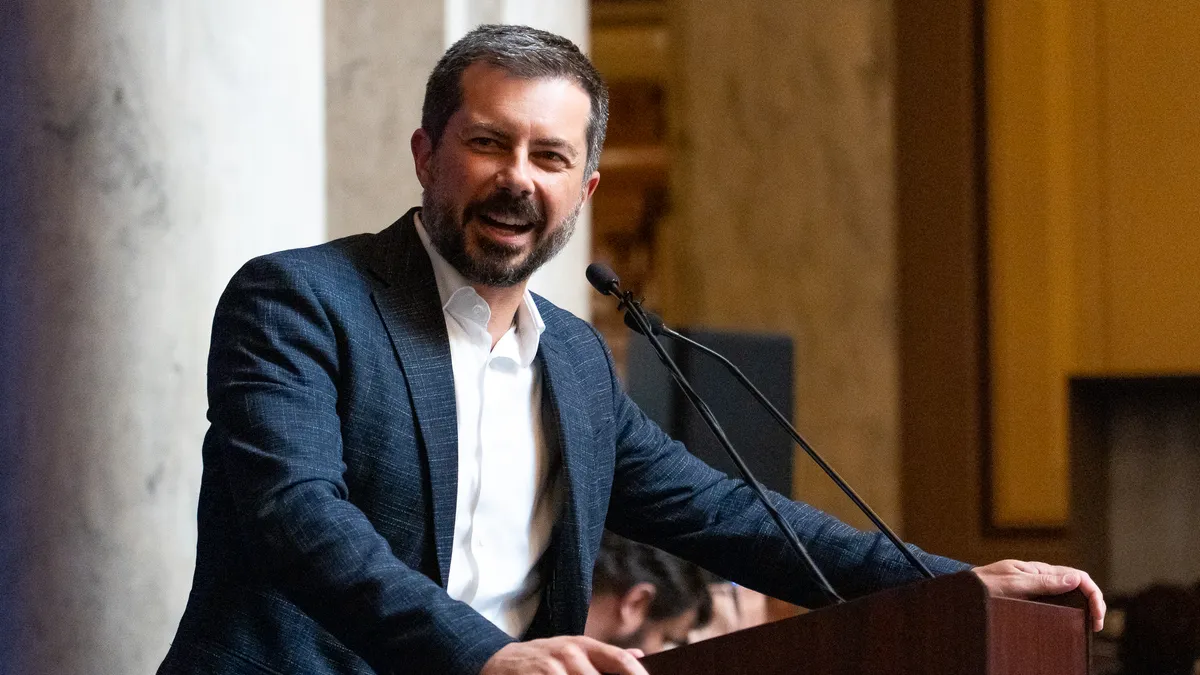
Pete Buttigieg Confronts Allegations That Led to Children’s Removal From Home
Cybersecarmor.com – A recent incident has shaken Pete Buttigieg’s life, triggered by an anonymous tip to Michigan’s Children’s Protective Services claiming his 4-year-old twins were at risk. The false report, which came from an unidentified source, set off a chain of events that left the U.S. transportation secretary and Democratic presidential candidate deeply unsettled.
A Hoax That Upended Family Life
The anonymous caller informed Michigan Children’s Protective Services that Buttigieg’s children were in danger. This prompted law enforcement and child welfare workers to arrive unannounced at his home, disrupting the family’s routine. Buttigieg described the ordeal in a Substack post published on June 26, emphasizing the emotional toll it took.
“We could not understand someone abusing the system like this in order to hurt me and my family with an absurd and easily refuted allegation of a horrific crime,” he wrote. The claim, he added, felt like a personal attack, one that seemed designed to damage his reputation and undermine his public service career.
According to the post, the officers arrived at his doorstep and began an investigation without providing immediate details. They insisted the children would undergo private forensic interviews the following day before revealing the nature of the accusation. Buttigieg described the suspense as unbearable, recounting how the 24-hour window until the officers returned became a period of profound anxiety.
“The twenty-four hours until they returned are among the darkest hours of my life,” he stated. “This is the ugliest thing that has happened to me since my career in service began.”
When the interviews finally took place, Buttigieg and his husband, Chasten Buttigieg, learned the specifics of the allegation. The anonymous caller had claimed to speak with a woman who had met him at a conference in Alabama years earlier. This woman alleged that Buttigieg had confessed to “unspeakable violent crimes” during their conversation.
Buttigieg explained that he immediately informed the officer about the inconsistency in the report. He pointed out that he had never visited the Alabama town where the alleged conversation took place. This revelation, he said, helped clarify the situation, but the officer still believed the claim was politically motivated.
“Then the officer made clear that he believed this was politically motivated, and said it would not be referred to a prosecutor,” Buttigieg wrote. “Nothing in the forensic interview with the children, which was conducted by trained personnel, had led to concerns.”
Despite the initial urgency, the investigation ultimately concluded the report was unfounded. Michigan State Police issued a statement confirming the allegation was false and that the incident had no basis in fact. The statement highlighted the risks of false reports, noting they can divert resources from real emergencies and harm families unnecessarily.
Political Motivation and Public Perception
Buttigieg’s experience has reignited discussions about the intersection of politics and child welfare. The claim, though quickly dismissed by authorities, underscored how public figures can be targeted with allegations that gain traction without solid evidence. This comes at a time when concerns about political violence have intensified, particularly in Michigan and other states.
Earlier this year, a similar pattern emerged in Indiana, where lawmakers were subjected to “swatting” tactics—unannounced visits by police or emergency services based on false reports. These incidents demonstrated a growing trend of using child welfare systems as tools to pressure political opponents. Buttigieg’s case, while not the first, has drawn renewed attention to the issue.
“Even though the accusation was absurdly and obviously false, and was promptly rejected by law enforcement, I still worry about the harm it has done,” he wrote. “Whatever you think about someone in politics, you leave people’s kids out of it.”
The family’s emotional impact remains significant, even as the crisis has been resolved. Buttigieg described the event as a moment of vulnerability, one that tested his confidence in the system and his ability to defend his family’s integrity. The twins, now aware of the situation, were left with lingering questions and fears, though the interviews provided no evidence to support the claim.
Authorities emphasized that the report was a classic example of misinformation exploiting public trust. Michigan State Police stated that while the initial call created a disruption, the process was designed to quickly identify and address false allegations. This incident also served as a reminder of the importance of transparency in child protective services, as well as the need for safeguards against politically driven accusations.
Broader Implications for Political Leadership
Buttigieg’s situation highlights the challenges faced by public figures when personal lives become entangled with political scrutiny. The claim, though quickly debunked, had the potential to overshadow his work in transportation and policy, particularly as he campaigns for the presidency. It also raised questions about the balance between protecting children and ensuring fairness for families accused of wrongdoing.
Some analysts noted that the timing of the report—weeks before a major political event—could have been intentional. The use of anonymous sources to spread allegations has become a common tactic in modern politics, often aimed at creating a narrative that undermines a candidate’s credibility. In Buttigieg’s case, the focus on his children served as a strategic move to highlight his family life while casting doubt on his character.
Despite the inconvenience, Buttigieg expressed gratitude for the swift response from law enforcement. He acknowledged that the system worked to correct the mistake, but the process left his family in a state of uncertainty. The experience also reinforced his commitment to transparency, as he sought to share the full story with his supporters and the public.
As the incident fades from immediate headlines, its legacy continues to shape conversations about accountability and public trust. For Buttigieg, the episode remains a personal and professional challenge, one that underscores the delicate balance between protecting children and safeguarding the reputations of those who serve the public interest.
Ryan Murphy, the communities reporter for IndyStar, covered the story. Her work provides insight into how such events can reflect broader societal dynamics, particularly in the context of political polarization and the increasing role of social media in amplifying allegations. The article’s release adds to the ongoing narrative of how political figures navigate personal and public crises in a rapidly changing media landscape.