Investigators probe fatal Missouri skydiving plane crash. What we know

NTSB Investigates Fatal Skydiving Plane Crash in Missouri
Cybersecarmor.com – Federal officials have initiated an examination of the wreckage from a skydiving plane that crashed in western Missouri, resulting in the deaths of all 12 individuals on board. The incident has left the skydiving community in mourning, with many grieving the loss of seasoned members who had dedicated years to the sport.
Crash Details and Initial Response
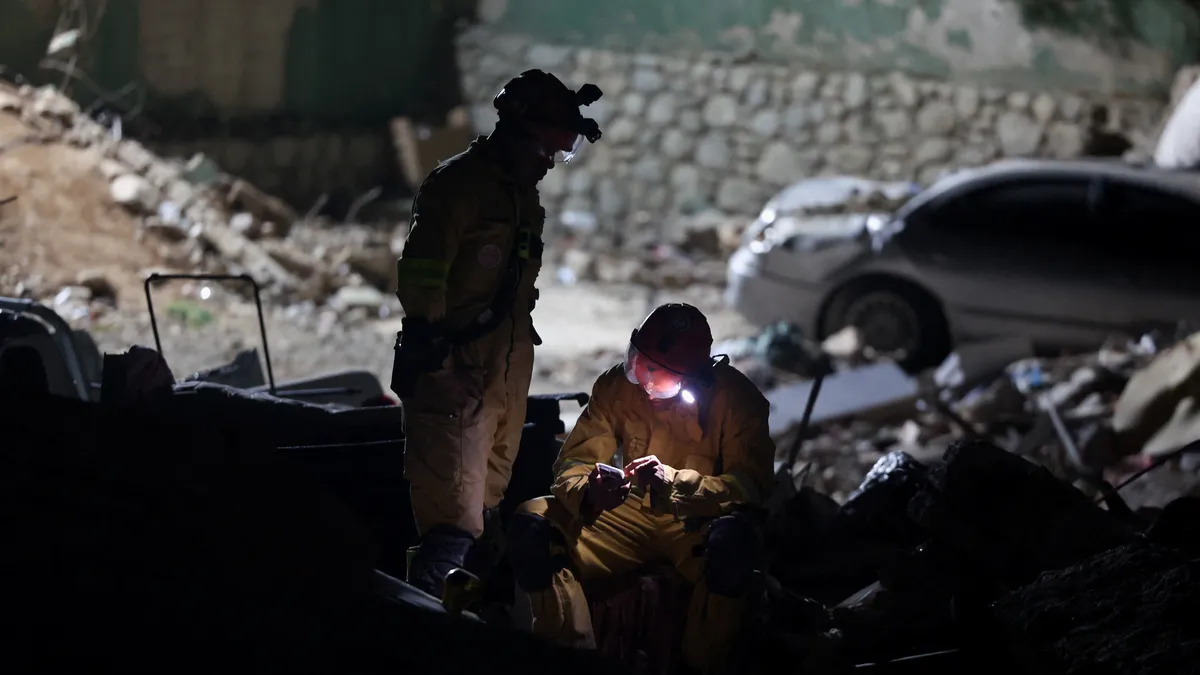
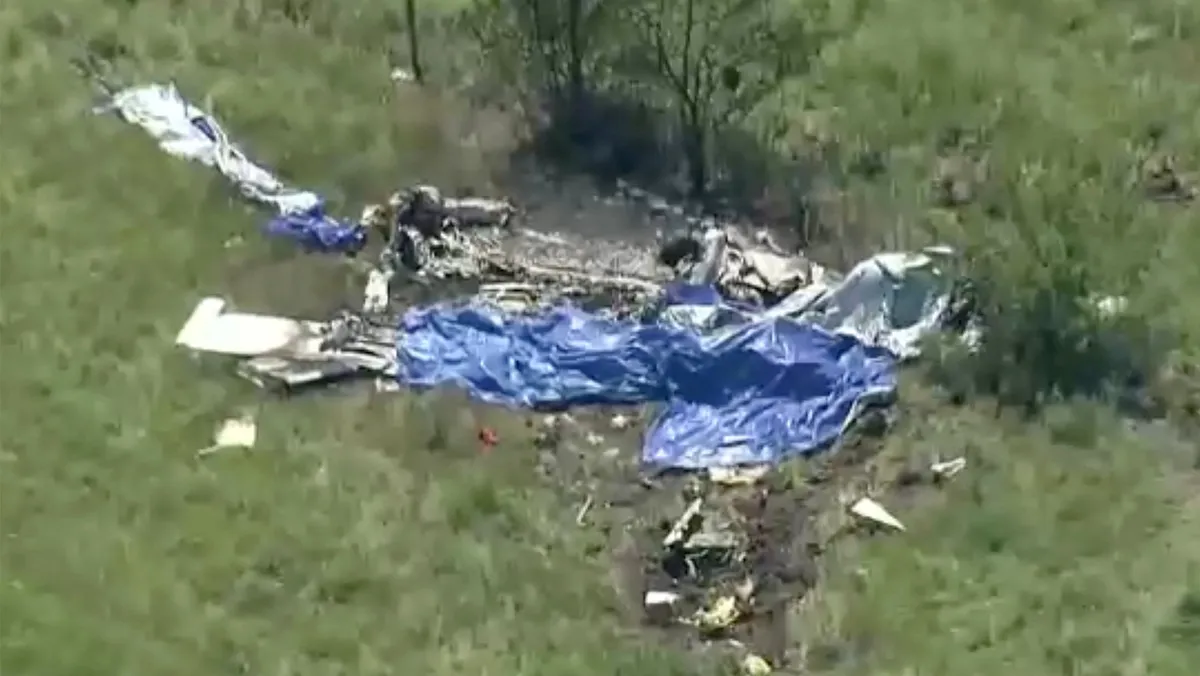
The National Transportation Safety Board (NTSB) dispatched investigators to the crash site on June 15, a day after the private aircraft met its fate shortly following takeoff from Butler Memorial Airport in Butler, Missouri. Situated approximately 65 miles south of Kansas City, the airport has a long history of hosting skydiving operations. According to the NTSB, the crash triggered a fire that completely consumed the plane, leaving little to no intact parts for immediate analysis.
Dennis Jacobs, who serves as both the airport manager and director of Bates County Emergency Management, informed USA TODAY that this tragedy marked the most severe incident in the airport’s 50-year operational history. He noted that the aircraft had “turned around for an unknown reason” before descending near a local highway, with no survivors discovered along its flight path. Despite the clear skies on the day of the crash, the plane failed to gain altitude beyond 100 feet before impact.
Investigation Progress and Timeline
During a news briefing on June 15, NTSB Vice Chairman Michael Graham outlined the early stages of the investigation. He emphasized that the probe is still in its initial phase and that definitive conclusions about the cause remain pending. While a preliminary report is anticipated within 30 days, a comprehensive analysis could extend for over a year, requiring meticulous review of all available evidence.
“This is the beginning of a long process, and we will not be determining what happens overnight,” Graham stated to reporters. “We will be gathering perishable evidence at the scene and will not draw any conclusions until we have compiled all the data.”
The investigation will scrutinize factors such as the aircraft’s weight distribution, fuel levels, maintenance records, and overall airworthiness. Graham mentioned that witness accounts, radar tracking, video recordings, and any recoverable electronic devices from the plane will be central to the findings. Notably, the plane did not have a cockpit voice recorder or flight data recorder installed, commonly referred to as “black boxes,” which could limit the depth of analysis.
Plane Specifications and Operator Information
The aircraft involved in the crash was a Pacific Aerospace 750XL, produced in 2010 and registered to a Tennessee-based company, as confirmed by both the NTSB and Federal Aviation Administration (FAA). Its engine was manufactured by Pratt & Whitney Canada, a firm known for producing reliable aviation powerplants. The plane operated under Part 91 regulations, which govern private and non-commercial flights, including numerous skydiving missions.
Officials revealed that the aircraft had conducted nine flights between June 12 and June 14, according to data from FlightAware. Skydive Kansas City, the operator of the plane, had scheduled multiple trips in the days leading up to the crash. The organization is working closely with local authorities and federal investigators to uncover the circumstances that led to the disaster.
Impact on the Skydiving Community
The United States Parachute Association (USPA), the governing body for skydiving in the U.S., expressed profound condolences for the victims and their families. In a statement, the organization described the tragedy as a “devastating loss” that reverberated throughout the tightly knit skydiving community. “The community is close-knit, and a loss of this magnitude is felt profoundly across the entire sport,” the USPA said, highlighting the emotional toll of the incident.
Many in the skydiving world had grown accustomed to the risks inherent in the sport, but the scale of this tragedy has shaken even the most experienced jumpers. The crash, which claimed the lives of 11 skydivers and a pilot, underscores the unpredictable nature of aviation accidents, even in seemingly routine operations. The USPA is collaborating with the NTSB to ensure all aspects of the incident are thoroughly examined, including the plane’s maintenance and operational protocols.
Next Steps in the Investigation
As the probe progresses, investigators will continue to collect and analyze evidence from the crash site. Graham noted that the wreckage will be relocated to a secure facility for further study after the initial on-site documentation is completed. This step is critical for preserving fragile components such as engine parts and other perishable materials that could provide clues about the crash’s cause.
The NTSB and FAA teams are also reviewing the pilot’s training and the crew’s adherence to safety procedures. While the exact sequence of events remains unclear, the focus is on determining whether mechanical failure, human error, or environmental factors played a role. Graham stressed the importance of patience, stating that the investigation requires time to piece together the full story of the accident.
Meanwhile, the community continues to process the loss. Many skydivers have shared personal stories of those who perished, with some describing them as integral to the sport’s culture. The incident has sparked discussions about safety improvements and the need for additional oversight in skydiving operations. As the investigation unfolds, the hope is that it will offer answers to the families and the broader community affected by the tragedy.
Broader Context and Similar Incidents
The Missouri crash is part of a series of aviation incidents that have raised concerns about the safety of small aircraft used in skydiving. A recent report from California highlighted an Air Force B-52 bomber crash that resulted in eight fatalities, with the incident labeled “unsurvivable” due to the extreme conditions. While the two events differ in scale and cause, they both emphasize the challenges of operating in the skies and the importance of rigorous safety measures.
For skydiving operators, the Missouri crash serves as a stark reminder of the risks involved in airborne activities. The NTSB’s investigation into this incident may lead to recommendations for enhanced protocols, such as improved pre-flight checks or better emergency response systems. As the wreckage is examined and data is analyzed, the goal is to prevent similar tragedies in the future.
The ongoing inquiry has also brought attention to the role of private aviation in skydiving. Many missions rely on small planes to transport jumpers to altitudes where they can safely deploy their parachutes. These aircraft often operate under less stringent regulations compared to commercial flights, which may influence the scope of the investigation and the potential for regulatory changes.
As the days pass, the focus remains on uncovering the truth behind the crash. The NTSB’s preliminary report, set for release within a month, will offer a snapshot of the findings, but the full report could take months or even years to finalize. For now, the skydiving community waits with bittersweet anticipation, hoping the investigation will shed light on what went wrong and how to avoid such a loss in the future.