Mitch McConnell, still hospitalized, spoke with GOP colleagues by phone

Mitch McConnell, Still Hospitalized, Engaged in Phone Calls with GOP Allies
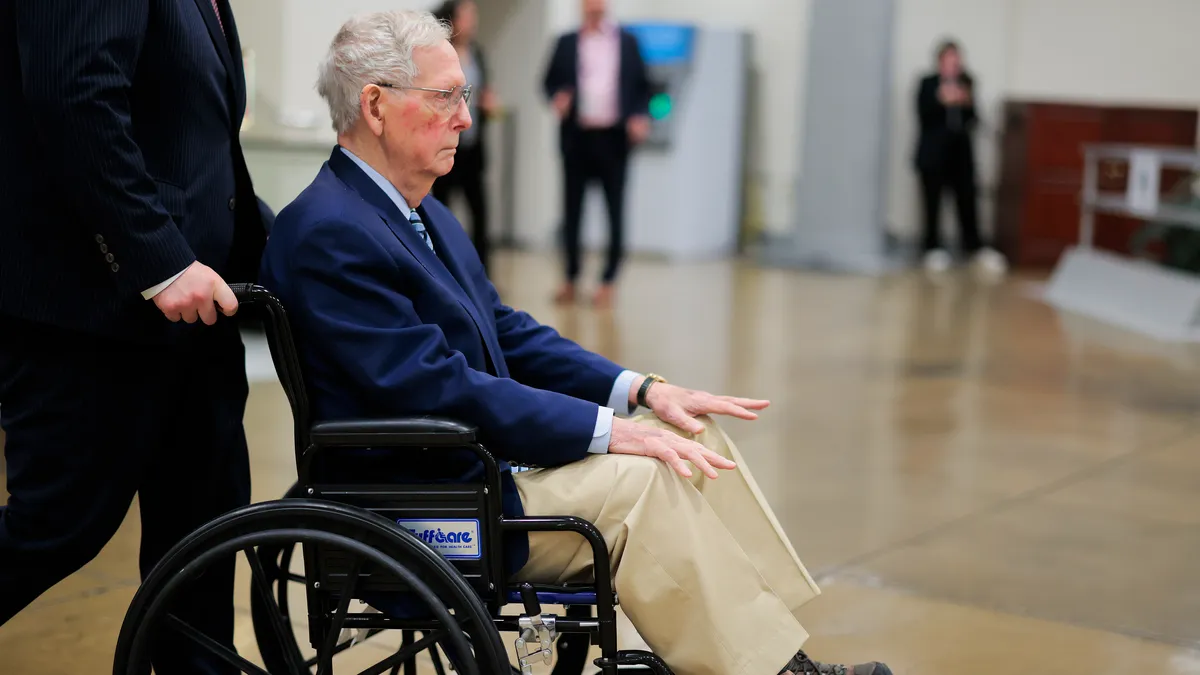
Cybersecarmor.com – Washington, D.C. — Amid growing uncertainty about Senator Mitch McConnell’s health, the veteran Republican leader has maintained contact with fellow party members through extended phone conversations, according to congressional insiders and aides. As the Senate prepares for a critical session, McConnell’s ability to communicate with key figures in his party has drawn attention, offering a glimpse into his ongoing role despite his hospital stay.
Engagement During Hospitalization
McConnell, 84, reportedly conducted a 20-minute call with Wyoming Senator John Barrasso, the Senate majority whip, on Tuesday, July 7. The discussion centered on the Senate’s legislative agenda, recent developments at the Supreme Court, and the closely watched race for the Maine Senate seat. Barrasso’s spokeswoman, Kate Noyes, noted that the conversation was thorough and that McConnell remained actively involved in decision-making processes.
“Senator McConnell was fully engaged and is eager to get back to the Senate,” Noyes stated, emphasizing his determination to stay connected with the party’s priorities.
On the preceding day, McConnell also spoke with South Dakota Senator John Thune, the current Senate Majority Leader. Their exchange, described as lengthy and substantive by Thune’s spokesperson, focused on national security issues and the broader implications for the GOP’s strategic direction. The call underscored McConnell’s influence within the party, even as he recovers from his recent medical ordeal.
Health Concerns and Speculation
Speculation about McConnell’s health has intensified since an emergency dispatch audio surfaced last month, revealing a critical incident at his Washington, D.C., residence. The recording, released on June 14, captured a moment when emergency responders arrived at the address listed as McConnell’s home. An initial call indicated someone was unconscious, and a subsequent report described a person in “cardiac arrest.” The audio has fueled questions about the senator’s condition, though his office has not yet confirmed its involvement.
McConnell’s hospitalization, which has spanned nearly a month, has left many in the public eye curious about the circumstances. His team has shared limited details, focusing on his improvement rather than specifics of the incident. “The Senator continues to improve, and is working closely with his staff on Kentucky and Senate matters while the Senate is out of session,” said David Popp, a spokesperson for McConnell’s office, in a recent statement.
Impact on Congressional Dynamics
Despite the uncertainty, McConnell’s outreach efforts appear to be stabilizing the narrative within the GOP. By maintaining communication with colleagues, he is addressing concerns about his availability for the upcoming legislative session. His calls with Barrasso and Thune suggest a coordinated approach to ensure party cohesion, particularly in light of the Maine Senate race and other high-stakes issues.
The Maine race, currently a tight contest between independent Sara Gideon and Republican Sara Palin, has become a focal point for Republican strategists. McConnell’s input is expected to play a pivotal role in shaping campaign tactics and messaging. His continued involvement highlights his strategic importance, even as his health remains a topic of discussion.
Meanwhile, the emergence of the June 14 audio has sparked debates about the transparency of McConnell’s medical situation. While the call’s content remains unclear, it has raised questions about the senator’s condition and the potential for further developments. Analysts speculate that the incident could have implications for the GOP’s ability to navigate upcoming challenges, including the confirmation of new judicial appointments and key policy debates.
Leadership in Absence of Public Updates
McConnell’s team has chosen a measured approach in sharing information, avoiding overly detailed accounts of his hospitalization. This strategy may aim to manage public perception and prevent panic, but it has also left room for conjecture. The absence of definitive updates has been a point of discussion among political observers, who note that McConnell’s health has been a recurring topic in media coverage.
However, the senator’s phone calls with Barrasso and Thune signal a proactive stance. These interactions are seen as a way to reinforce his leadership role and ensure continuity in the party’s operations. The calls also reflect the urgency of maintaining unity within the GOP, particularly as the Senate moves toward its next session and the political calendar fills with critical events.
With the Senate currently in recess, McConnell’s ability to guide policy discussions from the hospital has been a key factor in the party’s planning. His engagement with colleagues indicates that he is not only monitoring developments but also contributing to them. This level of involvement has been praised by some within the GOP, who view it as a testament to his resilience and dedication.
As the speculation about his health persists, the focus on McConnell’s communication efforts offers a ray of hope. His willingness to stay in touch with lawmakers suggests that, even in the face of challenges, he remains a central figure in the Senate. The question now is whether these phone calls will be sufficient to reassure the public and his peers about his readiness to resume his duties.
Author Information
Zachary Schermele, a congressional correspondent for USA TODAY, has been tracking McConnell’s situation and its political ramifications. His reporting highlights the intersection of personal health and public governance, shedding light on how leaders navigate crises while maintaining their responsibilities. Schermele can be reached via email at zschermele@usatoday.com, or followed on X at @ZachSchermele and Bluesky at @zachschermele.bsky.social.
McConnell’s recent activities have become a symbol of the delicate balance between personal well-being and public service. While his health remains a topic of interest, his continued engagement with the party underscores his commitment to the Senate’s agenda. As the GOP prepares for the next phase of its legislative strategy, the senator’s resilience and communication efforts will likely remain in the spotlight.