Hosting the World Cup makes US ‘really ripe’ for diseases, experts worry

US Hosting World Cup Sparks Concern Over Disease Vulnerability
Cybersecarmor.com – As the 2026 FIFA World Cup kicks off in 11 American cities, experts are raising alarms about the potential for infectious disease outbreaks. The surge of international soccer fans and travelers could create ideal conditions for pathogens to spread, particularly in light of ongoing global health crises like the Ebola epidemic in Central Africa. Public health officials emphasize that while the risk remains low for the general population, the country’s reduced capacity to monitor and respond to threats is a growing worry.
US Withdrawal from WHO and USAID Amplifies Risks
The recent decision to withdraw from the World Health Organization (WHO) and the downsizing of the U.S. Agency for International Development (USAID) have left the nation’s public health infrastructure more exposed. USAID played a critical role in tracking infectious diseases worldwide and providing protective equipment to healthcare workers. Its dismantling has removed a key support system for global disease surveillance, potentially leaving the U.S. less prepared to handle outbreaks both at home and abroad.
With 48 teams participating in the World Cup, 39 of them will train within the U.S., bringing fans and staff from regions grappling with active infections. This influx of visitors arrives at a time when the Centers for Disease Control and Prevention (CDC), the primary agency for public health, is facing significant staffing reductions. Federal cuts under the Trump administration have slashed the agency’s workforce by nearly 30% over the past year, leaving it stretched thin amid global challenges.
Experts Highlight Preparedness Gaps
Jennifer Nuzzo, an epidemiology professor and director of the pandemic center at Brown University School of Public Health, warns that the gathering of large crowds during the World Cup could heighten the risk of health emergencies. “When you have a lot of people from different parts of the world coming together for extended periods, it creates a fertile ground for disease transmission,” she explained. “This requires both resources and a clear strategy to manage patient surges and ensure hospitals are ready for the unexpected.”
Nuzzo’s concerns align with broader worries about the U.S. public health system. While the country remains resilient to major outbreaks, the withdrawal from the WHO and the loss of USAID’s global monitoring capabilities have weakened its ability to respond swiftly to emerging threats. Experts argue that this decline in international collaboration could have long-term consequences, especially if diseases like measles or Ebola gain a foothold in the U.S. population.
CDC Responds to Criticism of Staff Cuts
Andrew Nixon, a spokesperson for the Department of Health and Human Services, defended the CDC’s readiness despite its staffing challenges. “The CDC has already taken decisive action to address the Ebola outbreak,” he stated in an email. “This includes deploying personnel to affected regions, implementing travel restrictions, enhancing hospital preparedness, and expanding surveillance efforts. We’re also developing a specialized data dashboard to help local health departments track disease trends in real time.”
Nixon’s comments underscore the agency’s efforts to maintain its response capabilities, even as resources shrink. However, some argue that these measures are only temporary fixes. Chantal Gomez, a spokesperson for the New York City Department of Health, noted that the CDC’s funding cuts have left it “under-resourced at a critical time.” She praised the agency’s staff for adapting to difficult conditions but acknowledged the need for sustained investment to ensure long-term preparedness.
Coordination Across Levels of Government
Local health departments are actively collaborating with federal and state agencies to mitigate risks. Andrew Lemos, associate communications director for the Boston Public Health Commission, confirmed that the city has been working closely with both state and federal partners to prepare for the World Cup. “We’ve established a comprehensive coordination framework,” he said. “This includes shared protocols for disease detection and rapid response to any incidents.”
Boston’s public health commissioner, Dr. Bisola Ojikutu, voiced strong criticism of the Trump administration’s decision to withdraw from the WHO. “This policy change has isolated our country from vital global health networks,” she stated. “It has left us less equipped to address threats that can cross borders and impact communities nationwide.” Ojikutu’s remarks highlight the debate over whether the U.S. can effectively manage health risks without international partnerships.
Lessons from the 2014 Ebola Outbreak
The 2014 Ebola outbreak in Texas, which claimed the life of a Dallas resident and infected two healthcare workers, serves as a cautionary tale. At the time, the CDC provided critical guidance that helped contain the situation. Now, with similar preparations in place, officials in Texas are confident in their ability to prevent a recurrence. “We’ve learned from past experiences and built a robust plan to handle any potential cases,” said Dr. Luis Ostrosky, chief of infectious diseases at UT Health Houston.
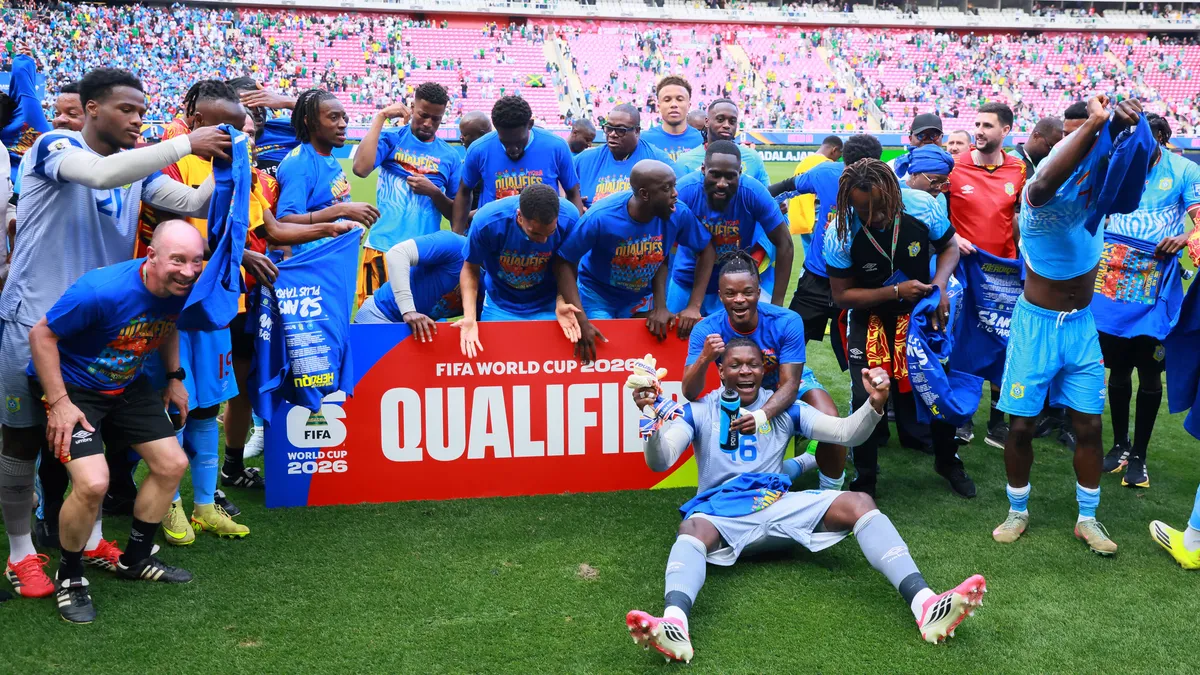
In Houston, where the Democratic Republic of Congo’s team will face Portugal on June 17, public health officials are on high alert. The CDC’s current travel restrictions, which include a 30-day ban for visitors from Ebola-affected regions like the Democratic Republic of Congo, Uganda, and South Sudan, are seen as a proactive measure. However, experts stress that these steps must be complemented by continued investment in surveillance and response systems to safeguard against unforeseen challenges.
While the World Cup is expected to boost tourism and economic activity, its impact on public health is a topic of ongoing discussion. The event’s scale and the global nature of its participants mean that any lapses in preparedness could have significant consequences. As the U.S. navigates this complex landscape, the balance between hosting a major international event and maintaining a strong public health infrastructure remains a key priority for officials and experts alike.