Gruesome find: More human remains discovered at shrinking Lake Mead

Daftar Isi
Shrinking Waters of Lake Mead Keep Yielding Secrets of the Dead
Cybersecarmor.com – The receding shoreline of America’s largest reservoir has once again exposed what the water had concealed for decades. On August 16, workers and officials at Lake Mead, roughly 20 miles east of the Las Vegas Strip, uncovered human remains at Boulder Beach. The find marks the latest in a troubling series of recoveries from the reservoir as prolonged drought drives its surface to levels never previously recorded.
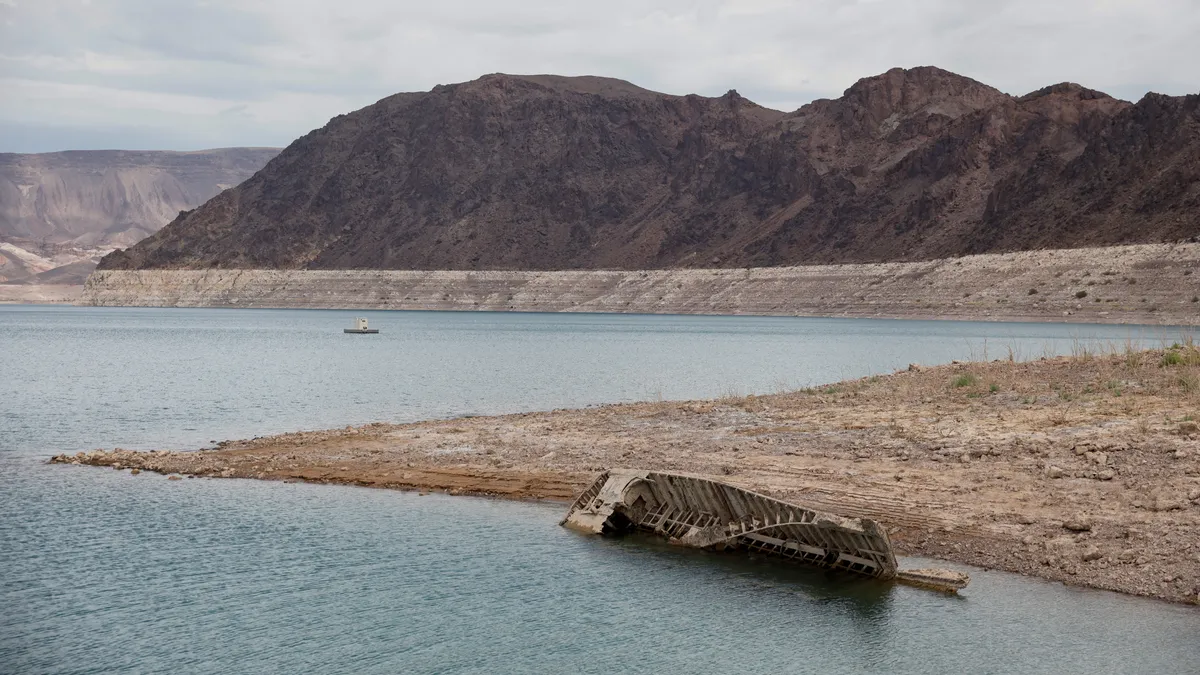
Lake Mead, formed by the Hoover Dam on the Colorado River and serving as the primary water supply for millions across southern Nevada and Arizona, has been draining at an accelerating pace. Each foot of water lost peels back another layer of sediment, debris, and—increasingly—human remains that had rested beneath the surface since the mid-twentieth century. What was once a deep, opaque body of water is becoming an open-air archaeological and forensic site.
The August 16 Discovery
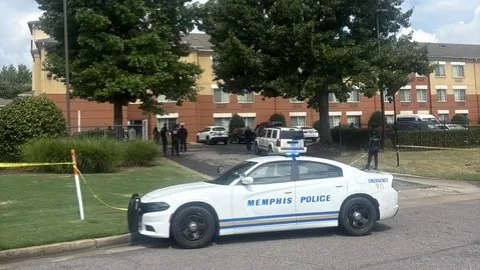
The Clark County Coroner’s Office confirmed that investigators are working to determine both the identity of the deceased and the cause and manner of death. The National Park Service, which oversees public access to the lake and its surrounding recreation areas, issued a statement noting that nothing about the circumstances of the find suggests criminal activity.
“A non-criminal, dead body report was taken for the remains,” the Las Vegas Metropolitan Police Department said in a written statement.
Authorities emphasized that the discovery, while grim, does not appear connected to any ongoing investigation. The remains were located at Boulder Beach, a popular swimming and recreation spot that has become accessible again only because the waterline has retreated far enough to expose what was once submerged ground.
A Pattern Emerging from the Receding Shore
The August find is not an isolated event. In 2022, when lake levels stood roughly one foot above their current position, boaters navigating the Hemenway Harbor area spotted a large barrel floating near the surface. Inside, they found a man’s body. Investigators concluded he had been shot, and based on the style of his clothing and footwear, estimated the killing took place sometime between the mid-1970s and the early 1980s. At the time of that shooting, Lake Mead was nearly at full capacity, meaning the water over the spot where the barrel eventually surfaced would have been at least 20 to 30 feet deeper than it is today.
That same year, officials pulled from the lake the body of a man who had reportedly drowned in 2002, another man whose death by drowning was dated to 1974, and a third man who vanished in 1998 and whose cause of death remained undetermined at the time of recovery. Each of these individuals had been missing for years—decades, in some cases—before the shrinking waterline made their locations visible.
Why the Reservoir Holds So Many Secrets
Experts point to a straightforward geographic reality: Lake Mead sits just 20 miles from the glittering casino corridor of the Las Vegas Strip. The city’s long association with organized crime, high-stakes gambling, and a transient population of visitors makes it statistically probable that more bodies will surface as the water continues to fall. Investigators have already pulled firearms and sunken boats from the reservoir, artifacts that hint at decades of activity beneath the surface.
The implication for local families and law enforcement is significant. Every time the lake drops another foot, the window of opportunity to locate long-missing persons widens. Families who lost relatives decades ago may find answers in what was once an impenetrable body of water.
More Than Human Remains: Ghost Towns, Aircraft, and Ancient Mines
The receding waters are uncovering far more than bodies. Lake Mead is the final resting place of a surplus World War II-era B-29 bomber that crashed into the reservoir in 1948, its fuselage now partially exposed along the new shoreline. The lake also swallowed several small communities when the Hoover Dam was completed and the reservoir filled in the early 1940s; those ghost towns—complete with foundations, wells, and scattered household items—are re-emerging as the water pulls back.
Even older strata are coming to light. Prehistoric salt mines, carved into the canyon walls long before European settlement, have been revealed along the newly exposed banks, offering a glimpse into human activity in the region stretching back thousands of years.
The Drought Context
The underlying driver of all these discoveries is a multiyear drought that has pushed the Colorado River basin to crisis levels. Lake Mead’s storage has fallen to historic lows, straining the water supply for Las Vegas, Phoenix, and agricultural operations downstream. The same physical process that threatens municipal water reliability is simultaneously acting as an unintentional excavation tool, dragging buried history into daylight one shoreline at a time. For the families of the missing, that dual role of the shrinking lake is both a source of grief and, occasionally, of long-awaited closure.
Related Reading
Frequently Asked Questions
What is Gruesome find?
Gruesome find is the main topic of this guide. The article explains the context, practical details, and next steps readers should understand.
Why does Gruesome find matter?
Gruesome find matters because readers are looking for a useful answer, not just a short summary. Good content should match search intent and help them decide what to do next.