Drones, explosives, guns. Court docs allege sprawling attack plot on UFC event

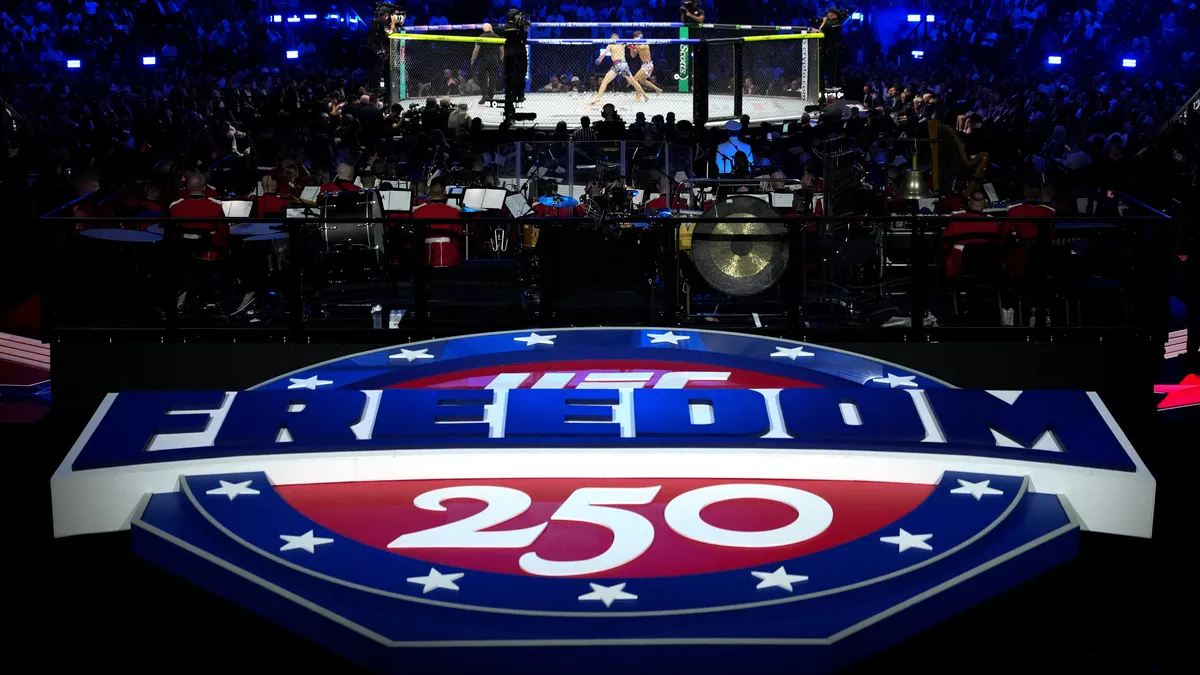
Court Files Detail Ambitious Attack Plan Targeting UFC Event at White House
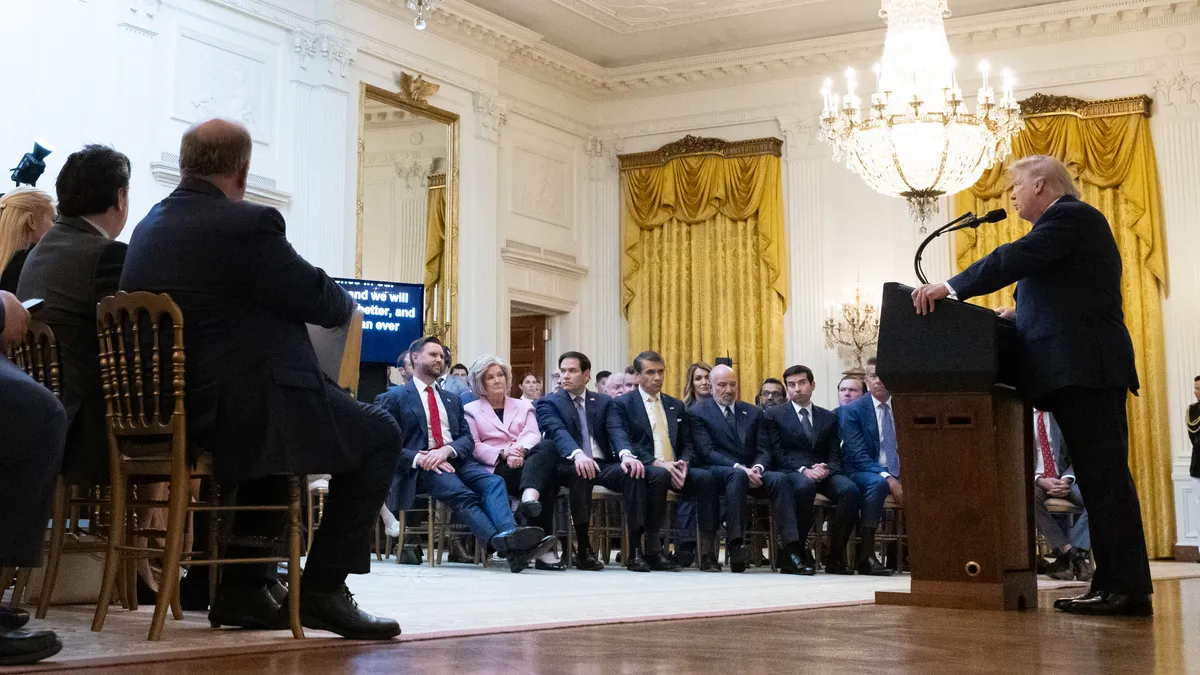
Cybersecarmor.com – Federal law enforcement agencies have apprehended several individuals in a suspected plot to attack the Ultimate Fighting Championship event held at the White House, preventing a coordinated assault that would have utilized drones, explosive materials, and firearms. The arrest of the suspects, who were linked to the June 14 incident, marks the culmination of a broader investigation into a scheme that allegedly combined multiple attack methods to target high-profile attendees, including former President Donald Trump and key Cabinet officials.
Arrests and Suspects
Five individuals have been formally charged in connection with the conspiracy, among them 19-year-old Tycen Proper. The accused are distributed across various states, including Missouri, Ohio, and California. Federal investigators have identified a network of potential perpetrators, each contributing to the planning and execution of the attack. Proper’s mother reported her son’s erratic behavior online, recent purchases of firearms, and his intention to travel, which prompted local authorities to escalate the case to federal agencies.
Attack Plan Uncovered
The scheme came to light on June 11 when Proper’s mother informed local police about her son’s online activities, recent firearm acquisitions, and intentions to travel. According to a criminal complaint, this led to the involvement of federal investigators who examined a digital chatroom filled with precise attack blueprints. The documents revealed detailed maps of the White House grounds, escape routes, and a designated “safe house” for the conspirators to regroup after the assault.
Authorities indicated that the conspirators aimed to hold a demonstration near the White House and deploy drone-mounted explosives to disperse attendees, creating an opportunity for snipers to target high-profile guests and officials during their escape. The plan included a multi-pronged approach, with some suspects tasked to act as attackers while others coordinated the logistics of the operation. The event, which drew significant political attention, was seen as a strategic target due to its proximity to the White House and the presence of top government figures.
Motivations Behind the Plot
Proper explained that the attack was intended to “spark a movement” aimed at igniting a domestic revolution. His mother reported that the individuals his son communicated with online identified as former military personnel and Christian advocates, expressing strong opposition to government policies and highlighting specific issues such as alleged corruption, the handling of the Epstein files, and the impact of data centers on local water resources.
“The plot was designed to ‘jumpstart’ a revolution in the U.S.,” Proper told investigators. His mother added that the people her son had interacted with online claimed to be “ex-military” and “Christian-based,” while emphasizing their “ultra-religious and antigovernment sentiments, specifically citing grievances about government corruption, the handling of the Epstein files, data centers taking up all the water in communities, and other government actions.”
The suspects’ motivations appeared to be rooted in a combination of ideological and personal grievances. They expressed dissatisfaction with the federal government’s role in domestic affairs, particularly its alleged involvement in corruption and the suppression of dissent. The Epstein files, which refer to the investigation into the alleged sexual misconduct of Jeffrey Epstein and his connections to political figures, were also mentioned as a catalyst for their anger. Additionally, the group highlighted concerns about infrastructure projects, such as data centers, which they claimed were draining natural resources from local areas.
Coordinated Efforts and Unraveling the Plot
As the investigation progressed, federal agencies compiled evidence of a meticulously planned operation. The online chat rife with details included instructions on how to deploy explosive devices, the timing of the attack, and the roles each participant was expected to play. The White House lawn was identified as the primary location for the assault, with the UFC event serving as a distraction or a secondary target to draw attention away from the main objective.
Investigators discovered that the suspects had not only mapped out the attack but also practiced coordination through virtual meetings and encrypted communications. The use of drones suggested a desire to minimize direct confrontation, allowing for a surprise element that could overwhelm security personnel. Meanwhile, the sniper component of the plan aimed to create a secondary wave of violence, targeting officials as they evacuated the scene. This layered strategy demonstrated a level of organization that raised concerns about the potential scale of the attack.
Investigation Continues
Authorities have not yet disclosed a specific motive for the attack, though the suspects’ statements point to broader ideological goals. The case highlights the intersection of political activism and violence, with the suspects framing their actions as a necessary step to challenge the status quo. While the plan was thwarted, the investigation remains ongoing, with law enforcement seeking to determine whether the plot was part of a larger conspiracy or a standalone operation.
Attempts to reach the suspects or their legal representatives have been unsuccessful, leaving questions about their intentions and the full extent of the plot unanswered. The court documents, which provide insight into the planning process, have been made available for public review, offering a detailed look at the individuals and their alleged coordination. As the case unfolds, analysts are examining the implications of the attack for national security and the role of social media in radicalization efforts.
With the arrests and the details of the plan now in the public domain, the focus shifts to understanding the broader context of the suspects’ actions. The combination of drones, explosives, and snipers underscores the evolving nature of threats to political events, emphasizing the need for heightened vigilance. While the immediate danger has been averted, the case serves as a reminder of the potential for organized attacks to target both symbolic and practical locations of power.
The unfolding of the plot also raises questions about the effectiveness of surveillance and intelligence-sharing between local and federal authorities. Proper’s mother’s report acted as a critical trigger, but the speed at which the investigation expanded suggests a well-coordinated response. As the suspects’ backgrounds are further explored, the case may shed light on the factors that contributed to their radicalization and the motivations behind their choice of targets.
Ultimately, the thwarted attack on the UFC event at the White House illustrates the complexity of modern threats. The suspects’ mix of military, religious, and political influences highlights a diverse array of grievances that could fuel violence. With the case continuing to develop, the story remains a focal point for discussions on national security, the role of technology in planning assaults, and the psychological drivers behind acts of terrorism.