Dr. Oz pressed on Trump comments, says MMR vaccine is not ‘lethal’

Daftar Isi
Dr. Oz Pushes Back on Trump’s “Lethal” MMR Remark, Frames Debate Around Parental Choice
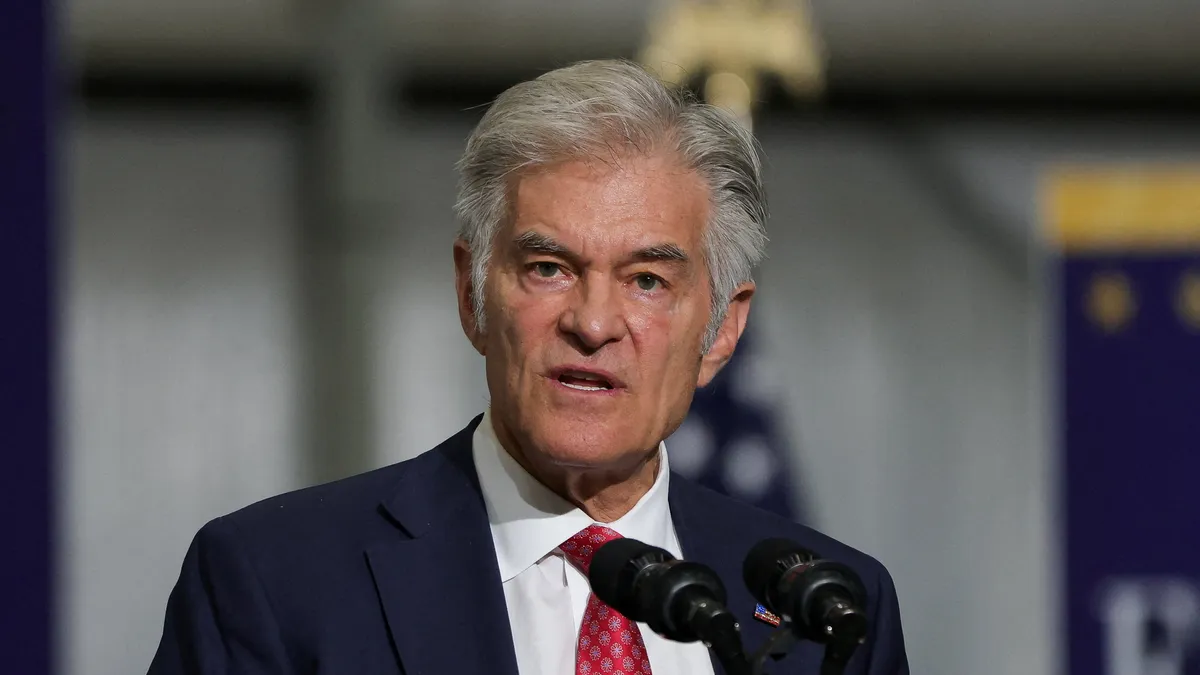
Cybersecarmor.com – On the Sunday, August 23 broadcast of “Face the Nation,” host Margaret Brennan put a pointed question to Dr. Mehmet Oz: does he want to clarify what President Donald Trump said earlier that month about the measles, mumps, and rubella vaccine? Oz, the cardiothoracic surgeon now serving as administrator of the Centers for Medicare & Medicaid Services, ultimately conceded that the MMR shot is not lethal — a direct departure from the president’s own characterization of the immunization.
A Surgeon’s Role in Washington
Oz’s path to the CMS helm is unusual. Before entering federal service, he was best known as the host of the long-running daytime television program “Dr. Oz,” a show that reached millions of households with health advice and celebrity interviews. He also ran for political office before Trump selected him to lead the agency that oversees Medicare and Medicaid — two programs touching nearly every American household. That combination of media visibility and regulatory authority makes his public statements on vaccine policy particularly consequential, because CMS administers billions in health spending and shapes how providers deliver preventive care.
The Interview Exchange
Brennan asked Oz whether he wished to walk back or clarify the president’s earlier language. Oz responded with a framing that emphasized patient autonomy rather than a flat scientific correction:
“We want patients to get the treatments that their doctors are recommending to them, but we also want parents to have the autonomy to decide what their kids receive.”
When Brennan pressed for a more direct answer, noting that the current MMR schedule already requires three separate doses spread over roughly a decade, Oz finally stated plainly:
“The MMR vaccine is not a lethal vaccine.”
He then pivoted to what he described as the core issue: parental rights. That framing echoes language the Department of Health and Human Services — the parent agency under which CMS operates — has used in recent communications about vaccine scheduling and informed consent.
What Trump Said and Why It Mattered
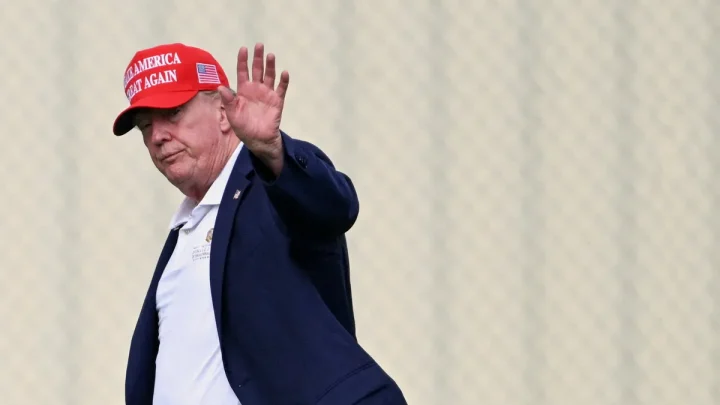
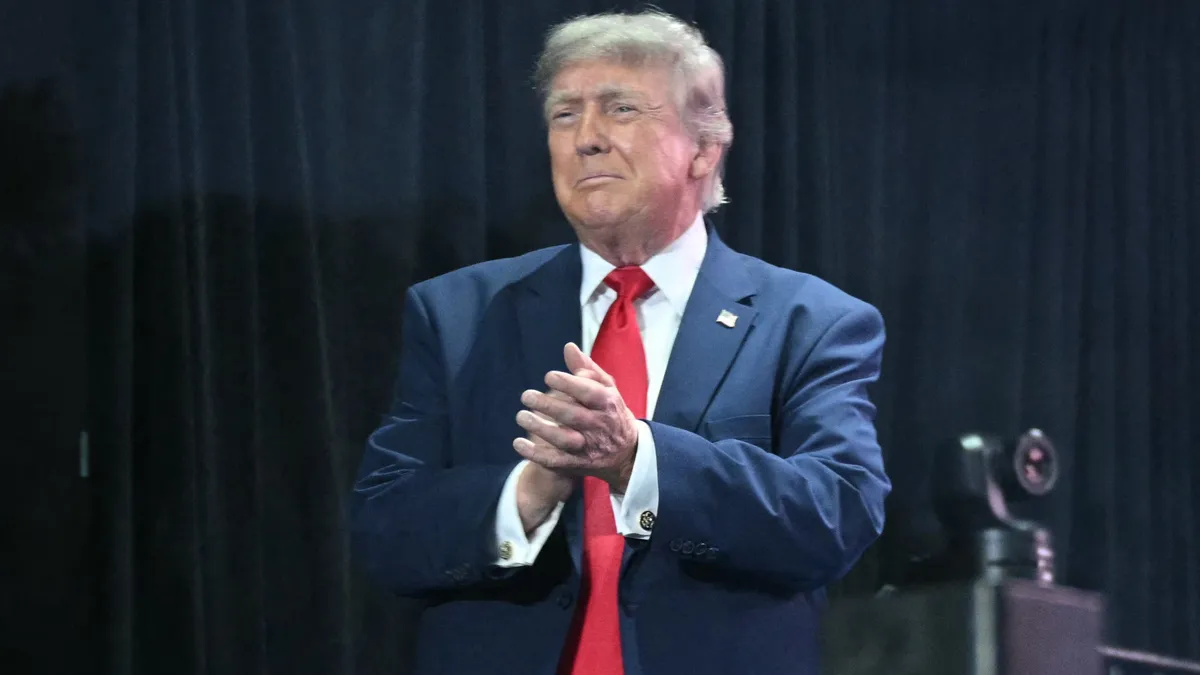
The remarks that prompted the interview came earlier in August, when Trump signed an executive order addressing vaccine policy. Speaking to reporters gathered at the White House, he suggested that the combined MMR formulation might carry a risk that individual components do not:
“Together there could be a possibility [the MMR vaccine is] quite lethal and separately, it looks like they are not at all lethal, but just very effective.”
Medical researchers and public-health officials have long maintained that the combined MMR vaccine, administered in its current three-dose schedule, is safe and effective. Peer-reviewed literature does not substantiate the claim that splitting the three antigens into separate injections would confer additional health benefits on children. The existing schedule — first dose around 12 to 15 months, second around 4 to 6 years, with a third dose sometimes recommended for specific populations — already spaces the immunizations over years, not days.
Republican Pushback and the Midterm Stakes
The president’s Oval Office comments drew sharp criticism even from within his own party. On August 16, Senator Bill Cassidy of Louisiana, a Republican who chairs a key committee overseeing health policy, told CNN’s Jake Tapper that the assertions were
“potentially tragic” and “wrong on so many levels.”
Cassidy’s intervention is notable because it signals that the administration’s vaccine messaging is creating friction inside the GOP caucus. With the November midterms roughly two months away, health-policy positions are becoming a live campaign issue. Voters who had previously accepted the administration’s broader public-health agenda now face a president publicly questioning the lethality of a routine childhood shot, while his own CMS administrator publicly disagrees with the characterization.
Why the Distinction Matters to Families
For parents navigating pediatric appointments, the practical question is straightforward: should their child receive the combined MMR shot on schedule? Every major medical body — the American Academy of Pediatrics, the Centers for Disease Control and Prevention, and the World Health Organization — endorses the current combined formulation and schedule. Oz’s Sunday concession that the vaccine is “not lethal” aligns him with that consensus, even as he stops short of calling for a retraction of the president’s language. Instead, he channels the conversation toward parental choice, a framing that resonates with conservative constituencies but leaves the underlying scientific question — whether splitting the antigens offers any benefit — effectively unanswered.
The episode underscores a broader tension in the administration: a president who frames vaccine policy through anecdotal risk language, a surgeon-administrator who must defend the agency’s clinical guidance, and a congressional leadership that wants the issue resolved before voters head to the polls. Until those three voices converge, the MMR debate will remain a flashpoint in both the pediatric waiting room and the campaign trail.
Related Reading
Frequently Asked Questions
What is Dr Oz pressed on Trump comments?
Dr Oz pressed on Trump comments is the main topic of this guide. The article explains the context, practical details, and next steps readers should understand.
Why does Dr Oz pressed on Trump comments matter?
Dr Oz pressed on Trump comments matters because readers are looking for a useful answer, not just a short summary. Good content should match search intent and help them decide what to do next.