
Don’t feel like exercising? Maybe it’s the wrong time of day for you
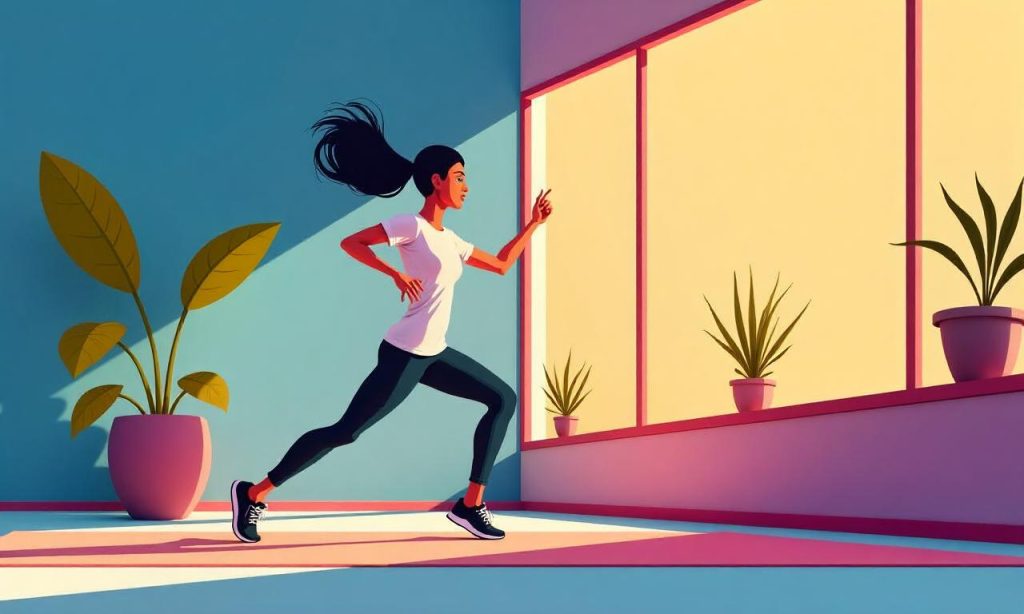
Don’t feel like exercising? Maybe it’s the wrong time of day for you
Health experts suggest that tailoring exercise schedules to individual body clocks can significantly enhance fitness outcomes. A recent study in the journal Open Heart found that aligning physical activity with a person’s natural circadian rhythm leads to greater health benefits, particularly for those at higher risk of cardiovascular issues.
Study Overview
The research involved 134 participants in their 40s and 50s from Pakistan, none of whom were exceptionally fit but all had at least one heart-related risk, such as hypertension or excess weight. Over three months, they engaged in structured treadmill sessions under supervision, lasting 40 minutes five times weekly. Based on self-reported data, 70 were classified as early risers, while 64 were evening-oriented.
Participants were split into two groups: one exercising in sync with their chronotype, the other doing it at the opposite time. Both groups saw fitness improvements, but those who matched their body clock’s preference achieved better results in sleep quality, blood sugar regulation, and metabolic markers. Heart health metrics, including aerobic capacity, also showed more pronounced gains in the aligned group.
Expert Insights
“One thing we have noticed over the last few years is people are actually prioritising their health more, bringing in more flexibility,” said Hugh Hanley, head of personal training at PureGym. He noted that peak gym hours are typically on Monday and Tuesday evenings, though schedules are becoming more varied as individuals adapt their routines.
Dr Rajiv Sankaranarayanan, affiliated with the British Cardiovascular Society, endorsed the findings but urged further research to solidify the recommendations. Meanwhile, Dr Nina Rzechorzek, a Cambridge expert on circadian rhythms, emphasized that while timing matters, regular physical activity remains critical. She highlighted the NHS’s guidelines for a balanced approach, including strength exercises at least twice weekly and vigorous cardio for 75 minutes.
Exercise Recommendations
Strength-training exercises like wall squats or planks are effective for lowering blood pressure. These isometric techniques focus on muscle and joint stability without large movements. Wall squats involve positioning against a wall and gradually sitting down with hips until thighs are parallel to the ground. Planks, akin to push-ups, target core muscles while engaging the back, shoulders, arms, and glutes. Consistency, rather than intensity, is key to long-term success, as highlighted by fitness professionals.
With gyms operating 24/7, flexibility in training times is growing. Building movement into daily life, even through small goals, helps maintain motivation. As the trend shifts toward strength-based workouts, all age groups are embracing this method, prioritizing health over rigid schedules.

