
Hantavirus outbreak: what you need to know about virus risks at sea
Hantavirus Outbreak: What You Need to Know About Virus Risks at Sea
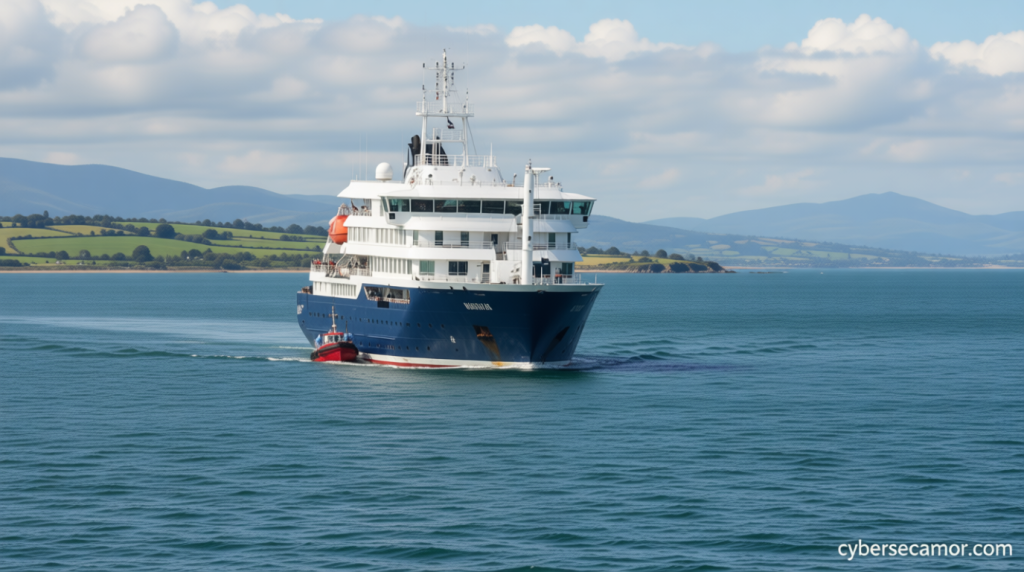
Hantavirus outbreak – The World Health Organization (WHO) has reported five confirmed cases of hantavirus associated with a recent outbreak on a cruise ship navigating the South Atlantic. Among these, three individuals have succumbed to the illness, marking a significant concern for maritime travel. While cruise ships are often perceived as safe recreational environments, they can inadvertently become breeding grounds for infectious diseases due to their enclosed spaces and close proximity of passengers. This has sparked renewed interest in the health risks that accompany extended voyages at sea.
The Nature of Cruise Travel
Cruise voyages draw millions of travelers each year, offering a blend of leisure and exploration across oceans. These ships accommodate thousands of passengers for weeks, creating a unique microcosm of human interaction. Despite their appeal, experts highlight that the design of cruise ships—where shared spaces, communal dining, and restricted movement to shore—can amplify the transmission of pathogens. “Cruises are marketed as floating holidays, but they also serve as living laboratories for public health,” remarked Vikram Niranjan, an assistant professor at the University of Limerick. His observations, shared in *The Conversation*, underscore how the structured environment of a cruise vessel can exacerbate the spread of viruses.
Niranjan noted that while cruise lines have enhanced hygiene protocols and improved their ability to respond to outbreaks, the fundamental nature of the travel experience remains unchanged. “The very way these ships are designed—where people coexist in tightly packed, interconnected spaces—highlights the vulnerability of such environments to disease,” he explained. This is particularly relevant as travelers from diverse geographical regions gather on board, increasing the likelihood of cross-contamination. The semi-enclosed nature of cruise ships, combined with limited ventilation in certain areas, further compounds the risk of airborne and surface-borne illnesses.
Health Risks and CDC Guidelines
The Centers for Disease Control and Prevention (CDC) has outlined specific health considerations for cruise travel in its 2026 international travel recommendations. The agency emphasizes that the combination of crowded spaces and shared facilities—such as dining halls, spas, and entertainment venues—creates a conducive setting for the spread of communicable diseases. “The dense population and prolonged exposure on board can accelerate transmission,” the CDC stated. This includes not only person-to-person spread but also risks tied to food and water sources.
Although hantavirus outbreaks are uncommon in the context of cruise travel, the recent cases have raised alarms. According to the CDC, gastrointestinal viruses like norovirus and E. coli have historically been more prevalent in onboard outbreaks. However, this hantavirus incident is notable as the first known instance of this specific pathogen linked to cruise ship travel. The Vessel Sanitation Program, which tracks health incidents on U.S.-flagged vessels, recorded four outbreaks in 2026—two attributed to norovirus and two to E. coli—highlighting the persistent challenges of onboard health management.
The Role of Medical Facilities on Board
Cruise ships are equipped with medical facilities designed to address immediate health concerns, but their capacity is limited. As per the Cruise Lines International Association (CLIA), all vessels must have at least one qualified medical professional available 24/7, along with dedicated spaces for examinations, emergency care, and diagnostic procedures. “These facilities are intended to provide first aid and basic treatment, not to manage large-scale outbreaks,” Niranjan clarified. This means that when a virus spreads rapidly, the ship’s medical team may struggle to contain the situation without external support.
In cases of severe illness or complications, passengers are typically referred to shore-side medical facilities. The current hantavirus outbreak has tested this system, as the virus’s symptoms—such as fever, fatigue, and respiratory distress—can escalate quickly. Niranjan pointed out that the lack of robust isolation measures and the high volume of passengers mean that containment efforts must be swift and efficient. “Early detection, rapid isolation, and rigorous cleaning are critical,” he emphasized, noting that delays in addressing outbreaks can lead to exponential spread within confined spaces.
Preventive Measures for Travelers
To mitigate risks, Niranjan recommends proactive preparation before embarking on a cruise. This includes ensuring all vaccines are up to date, verifying travel insurance coverage for medical emergencies, and consulting a general practitioner if the traveler belongs to a high-risk group, such as older adults or expectant mothers. Once on board, maintaining vigilance is key. “If you begin to feel unwell, it’s essential to avoid crowded areas and shared dining options,” he advised. “Early reporting of symptoms can prevent further spread and ensure timely intervention.”
The Diamond Princess cruise ship in 2020 serves as a stark example of how viruses can proliferate in maritime settings. During the pandemic, the vessel became a hotspot for COVID-19, with over 700 cases reported among more than 3,700 passengers and crew. This event demonstrated the critical role of onboard medical teams and the importance of strict hygiene measures. While the hantavirus outbreak is distinct in its symptoms and transmission patterns, it reinforces the need for travelers to remain cautious and informed about the health dynamics of their chosen mode of travel.
Conclusion and Future Outlook
The hantavirus outbreak on a recent cruise ship underscores the evolving nature of public health challenges in the maritime industry. As global travel continues to increase, the need for enhanced health protocols on board becomes more pressing. Experts like Niranjan stress that while cruise travel offers unique opportunities for leisure, it also requires travelers to adopt a heightened awareness of potential risks. “The key to reducing outbreaks lies in a combination of preparedness, vigilance, and collaboration between cruise operators and health authorities,” he concluded. This approach ensures that the joy of a cruise holiday can coexist with the safety of passengers, even in the face of viral threats.
By integrating these strategies—such as regular handwashing, avoiding close contact with symptomatic individuals, and staying informed about outbreak updates—travelers can better protect themselves and others. The cruise industry, in turn, must continue refining its health management systems to adapt to new and emerging pathogens. With these measures in place, the risk of viral outbreaks at sea can be minimized, allowing the world to enjoy the benefits of cruise travel without compromising health and safety.

