Charlie Kirk murder trial hinges on key weeklong court hearing

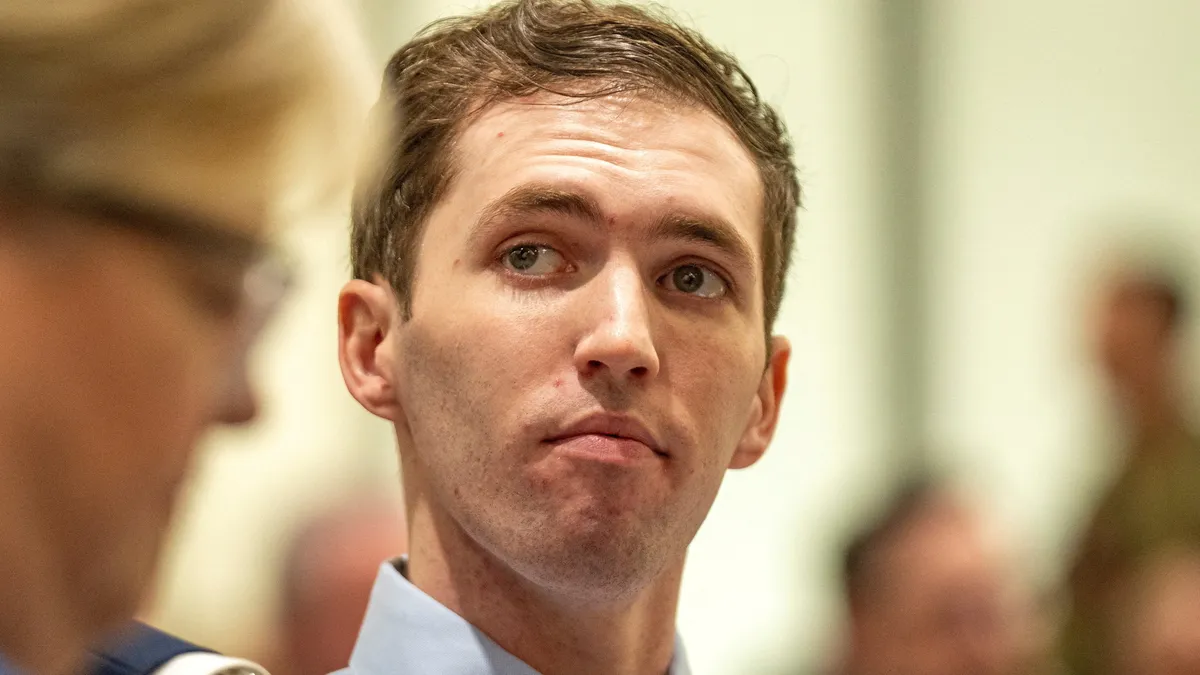
Critical Weeklong Hearing Shapes Fate of Charlie Kirk Murder Case
Cybersecarmor.com – On July 6, prosecutors will initiate the presentation of their case against Tyler Robinson, the individual charged with the killing of conservative activist Charlie Kirk. The trial’s future hinges on a weeklong preliminary hearing, which will serve as a pivotal moment to determine whether there is sufficient evidence to justify moving forward with a formal trial. This hearing, set to take place in a Utah courtroom, is central to establishing probable cause, a legal standard that requires the judge to assess the evidence in favor of the prosecution’s claims.
Robinson is accused of fatally shooting Kirk during an event at Utah Valley University in Orem, Utah, on September 10. The incident occurred amid heightened political tensions, with Kirk emerging as a prominent figure in the conservative movement, notably associated with President Donald Trump and co-founding Turning Point USA. Prosecutors allege that after the shooting, Robinson fled the scene, leaving behind a chaotic aftermath that would later spark widespread public reaction.
While Judge Tony Graf will not rule on Robinson’s guilt or innocence, his task is to evaluate whether the prosecution has met the threshold for a trial. Graf emphasized that his role involves scrutinizing the evidence “in the light most favorable to the prosecution,” ensuring that the case has a solid foundation before proceeding to the next phase. This process includes examining testimonies, physical evidence, and digital records to build a compelling case.
Graphic footage of the incident quickly circulated online, amplifying national discourse on rising political violence. The videos, which captured the moment of the shooting, ignited an emotional response from viewers, with many expressing grief and outrage over the attack on a prominent conservative leader.
The case also highlighted the broader implications of political discourse, as hundreds of individuals faced job losses after criticizing Kirk online. These criticisms led to a series of free-speech lawsuits, culminating in settlements totaling at least $3.4 million. The public reaction underscored the polarizing nature of Kirk’s influence, with his murder becoming a symbol of escalating tensions in the political arena.
The 33-hour search for Robinson concluded on September 11 when he surrendered to local law enforcement. At the time of his arrest, he was charged with aggravated murder and other felony offenses in connection with Kirk’s death. Utah County Attorney Jeff Gray has stated his intent to pursue the death penalty, a decision aligned with the support of former President Donald Trump.
Kirk’s parents and his spouse, Erika Kirk, are anticipated to be present during the proceedings. Prosecutors have indicated they may present sensitive information, such as audio recordings, which could provide critical insights into Robinson’s alleged motives and actions. The family will be notified in advance to ensure they can leave the courtroom if they choose to do so.
The preliminary hearing, originally delayed, was rescheduled after prosecutors and defense attorneys engaged in a dispute over the scope of evidence and the use of cameras in the courtroom. The defense argued that certain elements, such as the presence of cameras, could impact the trial’s fairness, while prosecutors insisted on transparency to bolster their case.
Prosecutors had originally planned to call four witnesses during the hearing. Some of the evidence they intend to present has already been disclosed, including electronic messages, a handwritten note, and testimony from Robinson’s alleged romantic partner. According to the partner, Robinson confessed to the crime and instructed her not to contact police. However, the defense sought to have her travel from Texas to testify in person, a request that was denied by the court.
Deputy Utah County Attorney Ryan McBride detailed several pieces of evidence during the hearing. He stated that Robinson left behind a note reading, “I had the opportunity to take out Charlie Kirk and I took it.” Additionally, messages exchanged with his partner and friends, as well as communications with the former law enforcement officer he turned himself in to, suggest a clear admission of guilt.
McBride also highlighted surveillance footage that shows Robinson arriving on campus in the same attire he wore during his arrest. The video captures him leaving the premises, then returning before Kirk’s event wearing a “disguise of sorts” and limping due to the rifle he had concealed in his pants. This detail was presented to reinforce the timeline of events and Robinson’s proximity to the victim.
The prosecution further plans to introduce rifle casings etched with political messages, such as “Hey Fascist! Catch!” and “If you Read This, You Are GAY Lmao.” One of the casings also bears the phrase “O Bella ciao …,” a reference to an Italian anti-fascist song, which may symbolize Robinson’s ideological stance. Another casing, marked “NoTices Bulge OWO What’s This?” ties into an internet meme linked to animated videos and furry culture, adding a layer of contextual significance to the evidence.
McBride noted that Robinson’s DNA was found on the towel and rifle used in the shooting, with similar ammunition recovered at his residence. These findings aim to establish a direct connection between the suspect and the crime scene, strengthening the prosecution’s case.
The defense has contested key aspects of the evidence, particularly the ballistics analysis. On June 26, they revealed plans to call at least three expert witnesses, one of whom would be a firearms analyst from the Bureau of Alcohol, Tobacco, Firearms and Explosives. The defense argued that the summary report from the ATF suggests the bullet recovered at Kirk’s autopsy could not be definitively linked to the rifle in question. This claim was presented as a potential weakness in the prosecution’s argument.
Despite the defense’s critique, Judge Graf described the report as “technically accurate, but highly prone to misinterpretation.” He pointed out that the document does not explicitly state the bullet could not be definitively excluded from association with the rifle, leaving room for both sides to interpret its implications. This nuance has added complexity to the case, as the outcome of the hearing could influence the jury’s perception of the evidence’s reliability.
As the hearing progresses, the courtroom will serve as a stage for the unfolding narrative of Kirk’s murder. The presentation of evidence, including the political messages on the casings and the physical links to Robinson, will be crucial in swaying the judge’s decision. With the trial’s fate dependent on these findings, the case has become a focal point for debates on political violence, free speech, and the role of ideological motivations in criminal acts.
The preliminary hearing marks a turning point in the legal process, as both sides prepare to assert their arguments. For prosecutors, it is an opportunity to lay the groundwork for a compelling case, while the defense seeks to challenge the evidence and introduce alternative perspectives. The outcome of this weeklong proceeding will determine whether the trial moves forward, setting the stage for a broader examination of the events that led to Kirk’s untimely death.