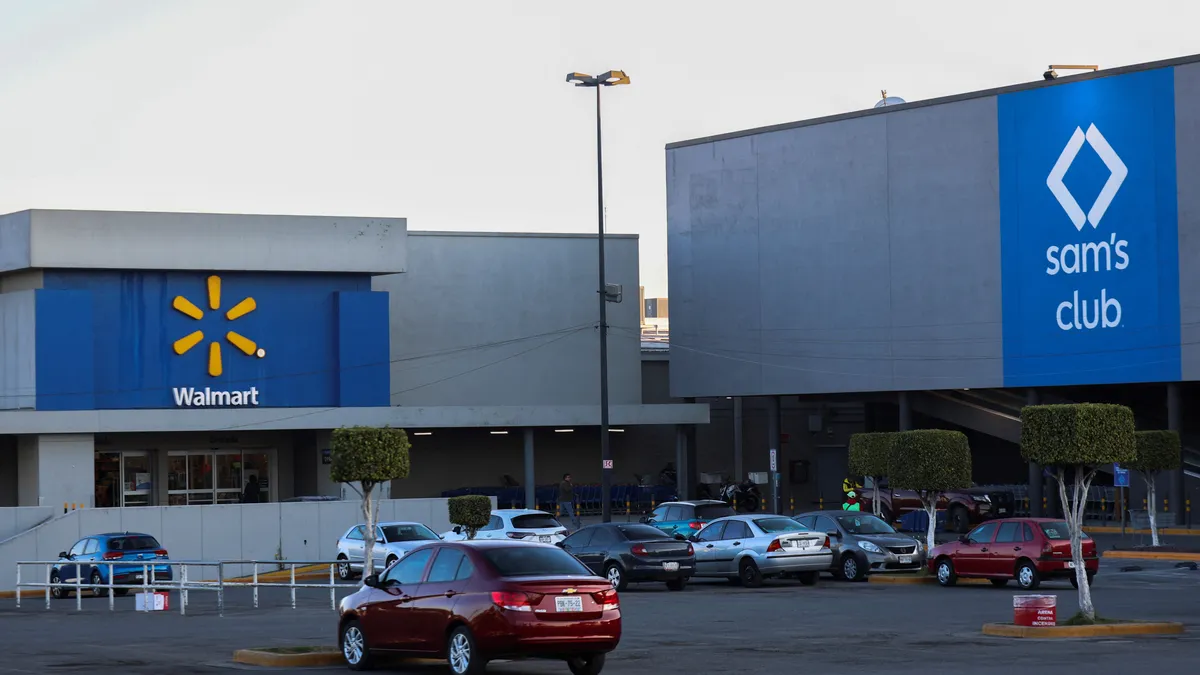
Walmart, Sam’s Club stores will soon offer a new way to pay

Daftar Isi
Contactless Checkout Arrives at America’s Largest Grocery Chain After Years of Consumer Pushback
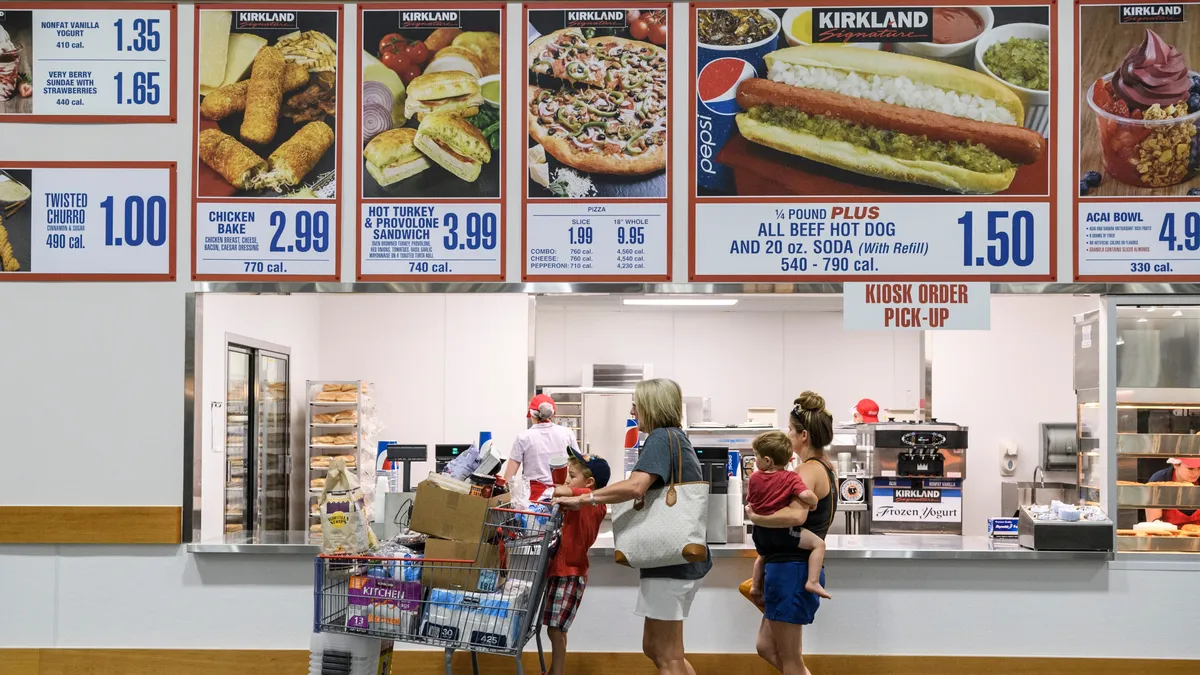
Cybersecarmor.com – For years, shoppers at the country’s biggest grocery retailer walked up to a checkout lane, pulled out a physical card, and swiped or inserted it into a terminal — a ritual that felt increasingly outdated as every other major retailer, from Target to Kroger to Costco, had already embraced the simple act of tapping a phone or smartwatch against a reader. That era of friction ends this week. Walmart and its warehouse-club sibling Sam’s Club confirmed on August 21 that they will begin accepting NFC-based tap-to-pay transactions at select locations starting August 24, marking the final major holdout in American grocery retail surrendering to contactless checkout.
A Phased Rollout Spanning Two Years
The company outlined a multi-stage deployment schedule in its August 21 news release. The initial wave targets a limited set of stores and clubs beginning August 24. From there, the rollout accelerates: every U.S. Walmart store and Sam’s Club location is slated to carry the capability by the close of calendar year 2026. Gas stations operated under the Walmart umbrella are expected to follow by mid-2027, extending the contactless option beyond the grocery aisle into the fuel-pump lane.
The phased approach mirrors how other large retailers have handled terminal upgrades, balancing hardware replacement cycles, software integration, and regional logistics. Grocery stores in particular run thousands of checkout lanes across tens of thousands of locations, making a simultaneous flip impractical. A staggered timeline also allows the company to monitor transaction volumes, troubleshoot reader compatibility issues, and refine the customer experience before scaling nationally.
What Shoppers Can Actually Do
Once a given store is live, customers and Sam’s Club members will be able to complete a purchase by tapping an eligible contactless card, smartphone, or smartwatch against the payment terminal. The company framed the addition in straightforward terms:
“Tap to Pay gives customers and members another familiar and convenient way to pay at checkout using contactless payment methods. Whether picking up groceries, gifts or everyday essentials, they can check out using eligible contactless card, phone, or smartwatch.”
Beyond the tap gesture itself, the announcement highlighted a secondary pathway: adding a Walmart-branded card, a Sam’s Club card, or a OnePay card directly into a digital wallet such as Apple Wallet or Google Wallet. This lets cardholders carry a single phone for both the tap-to-pay transaction and the loyalty or fuel benefits tied to those proprietary cards, eliminating the need to fish for a physical plastic card at the register.
Sam’s Club members gain an additional shortcut through the existing Scan & Go program. Using the club’s mobile app, shoppers can scan items as they move through the aisles and settle the bill from their phone, bypassing the traditional checkout line entirely. Tap-to-pay at the terminal and Scan & Go from the cart are complementary rather than competing options; the former covers the walk-up transaction, while the latter removes the queue altogether.
A Long-Running Consumer Frustration
The decision to adopt tap-to-pay did not arrive out of nowhere. For roughly a decade, contactless NFC payments have been standard at most U.S. grocery chains, convenience stores, and quick-service restaurants. Walmart’s persistent refusal to enable the feature became a recurring complaint in online forums, social-media threads, and consumer-advocacy discussions. Shoppers described losing sales, abandoning carts, or simply switching to a competitor because the checkout terminal would not accept a phone tap.
When the announcement landed, social media reacted with a mixture of relief and exasperation. One user summed up the sentiment bluntly:
“Finally. They’ve been leaving money on the table. I’ve witnessed first hand them losing a sale because no tap.”
Another commenter noted they had stopped shopping at the retailer altogether because it did not support Apple Pay. A fourth user wrote, “I always wondered the reason for its holdout. Thanks for this.”
The reactions underscore a broader pattern: when a dominant retailer lags on a convenience feature that competitors already provide, the cost is not merely a minor annoyance but a measurable shift in customer behavior. Grocery shopping is high-frequency, low-margin, and intensely competitive. A shopper who taps a phone at one store and swipes a card at the next will gravitate toward the frictionless option, especially when the trip already involves a phone for scanning coupons, checking aisle locations, or managing a digital wallet.
Why the Holdout Mattered — and Why It Ends Now
Industry observers have long speculated that Walmart’s resistance stemmed from a combination of factors: the enormous capital cost of retrofitting tens of thousands of checkout terminals, the desire to drive traffic toward its own proprietary payment rails (OnePay, Walmart Pay), and internal risk-aversion around NFC transaction security. None of those considerations have vanished; rather, the competitive and consumer-pressure calculus has shifted. With every other major grocery competitor already accepting contactless taps, the opportunity cost of continued resistance — lost sales, negative brand sentiment, and a perception of being out of step with everyday technology — has evidently outweighed the incremental cost of terminal upgrades.
The mid-2027 extension to gas stations is notable because fuel purchases are quick, high-volume, and often completed in a single tap at the pump. Adding contactless capability there removes the last physical-card step from a transaction that already takes under thirty seconds, aligning the fuel-pump experience with what drivers already do at every other major brand’s station.
What to Watch Next
Shoppers in markets where select stores go live on August 24 will be the first to test the integration in practice. Expect early reports on reader compatibility across phone models, smartwatch brands, and card types, as well as on whether the company will bundle the tap-to-pay option with loyalty-reward accrual in a single motion. The end-of-2026 national deadline and the mid-2027 gas-station milestone give consumers a concrete timeline to hold the company accountable. For now, the checkout lane that once demanded a swipe or an insert will, within eighteen months, accept the same effortless tap that has been standard everywhere else for years.
Related Reading
Frequently Asked Questions
What is Walmart Sam s Club stores will?
Walmart Sam s Club stores will is the main topic of this guide. The article explains the context, practical details, and next steps readers should understand.
Why does Walmart Sam s Club stores will matter?
Walmart Sam s Club stores will matters because readers are looking for a useful answer, not just a short summary. Good content should match search intent and help them decide what to do next.