
Butterfly numbers are dropping but here are five species you may see more of
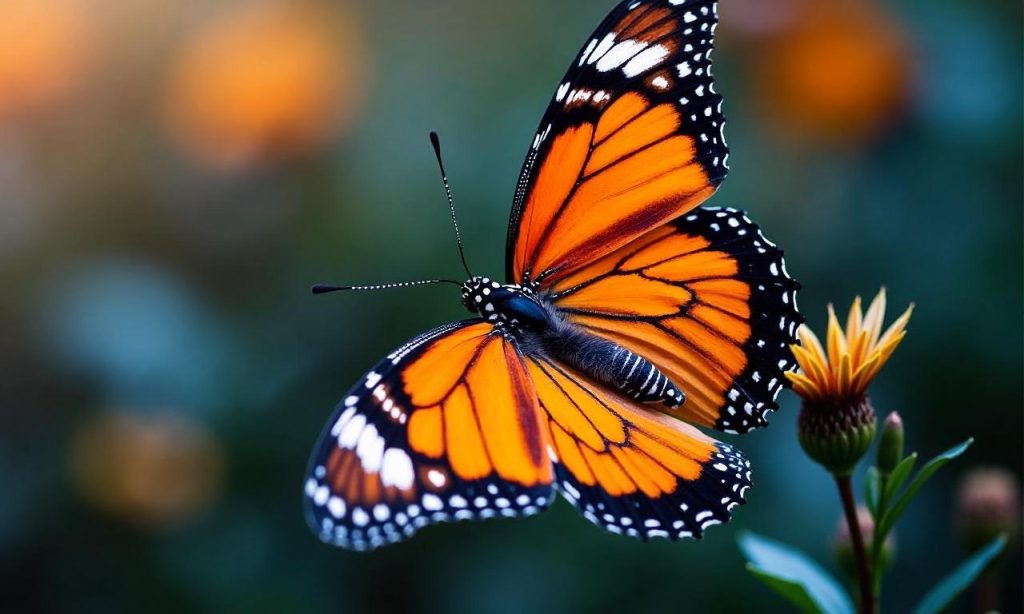
Butterfly numbers are dropping but here are five species you may see more of
A half-century of rising temperatures and prolonged sunshine has enabled certain UK butterfly species to thrive, partly due to climate change. However, the broader trend reveals a concerning decline among many of the country’s iconic butterflies. These findings emerge from the UK Butterfly Monitoring Scheme (UKBMS), a major citizen science initiative that has amassed over 44 million records from 782,000 volunteer surveys since 1976.
Monitoring Efforts
Established as one of the longest-running and largest wildlife tracking projects globally, the UKBMS relies on public participation to monitor 59 native species. Its data shows 33 species are in steep decline, 25 have improved, and one mountain-dwelling species remains undetermined due to insufficient records. The effort underscores the critical role of community involvement in ecological research.
Species on the Rise
Some butterflies are benefiting from the shifting climate. The Red admiral, for instance, has adapted to milder winters, now overwintering in the UK. Comma butterflies, known for their frayed wing edges, have rebounded in population since the program began. Orange tips have seen a 40% increase, while the Black hairstreak—once considered rare—is recovering through targeted conservation. Similarly, the Large Blue has made a remarkable comeback after being declared extinct in 1979.
The Divide Between Adaptability and Specialization
The survey highlights a growing disparity between species that can survive in diverse environments and those dependent on specific habitats. Butterflies thriving in farmland, gardens, or parks are generally more resilient, with warmer conditions aiding their survival and expanding their range. Specialist species, like those reliant on woodland clearings or chalk grasslands, are struggling as these ecosystems face threats from land-use changes and environmental degradation.
Expert Insights
“The data collected over five decades is extraordinary and represents a gold standard for wildlife surveys worldwide,” said Prof Jane Hill, a butterfly expert at the University of York. She noted that butterflies, being cold-blooded, respond strongly to warmer climates. “Many British butterflies reach their northern range limit in the UK, so they have opportunities to expand further north into northern England and Scotland,” she added.
Prof Richard Fox, head of science at Butterfly Conservation, emphasized the loss of biodiversity. “Just as we have lost family-run shops and traditional skills from the nation’s high streets, we’ve lost variety and diversity in butterfly communities due to damaged and simplified landscapes,” he remarked.
Conservation Challenges
Protecting butterfly habitats is central to conservation efforts, especially against pressures like intensive farming and habitat destruction. Some species face additional hurdles due to their narrow dietary requirements. For example, the Duke of Burgundy depends solely on primroses and cowslips, while the purple emperor relies exclusively on goat or grey willow. This specificity makes them vulnerable to environmental shifts. To address this, reserves like Butterfly Conservation’s Magdalen Hill Downs aim to preserve a mosaic of habitats, ensuring food sources for diverse species remain available.

