
250 missing after migrant boat sinks in Indian Ocean
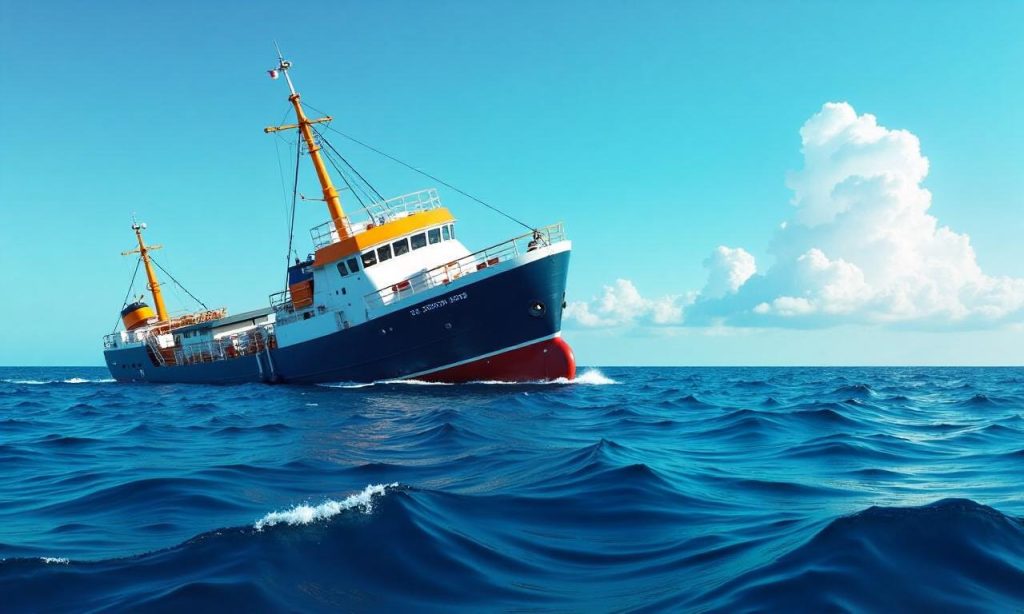
250 Missing After Migrant Boat Capsizes in Indian Ocean
UN Agencies Report Tragedy Amid Ongoing Rohingya Exodus
Following a recent maritime disaster in the Andaman Sea, approximately 250 Rohingya and Bangladeshi individuals, including minors, are still unaccounted for. The incident, which occurred last week, involved a vessel that reportedly sank due to fierce winds, turbulent waters, and excessive overcrowding, according to the United Nations’ refugee and migration organizations.
The Bangladesh Coast Guard informed AFP that one of its ships rescued nine survivors on April 9. The exact timing of the capsizing remains unclear. This event underscores the precarious conditions faced by displaced communities, many of whom have fled Myanmar since the 2017 crackdown that displaced hundreds of thousands of Rohingya, an ethnic minority primarily adhering to Islam.
Myanmar’s government has historically denied the Rohingya citizenship, despite their significant presence in the Buddhist-majority nation. However, deteriorating living conditions in Bangladesh have prompted some to embark on perilous sea crossings to Malaysia, a Muslim-majority country often seen as a potential sanctuary. A survivor, Rafiqul Islam, recounted his ordeal to AFP, stating he drifted for nearly 36 hours before being rescued and sustained burns from oil leaking from the overturned boat.
“People are dying in the fighting, dying from hunger. So some think it’s better to die at sea than to die slowly here,” said a Rohingya refugee in Cox’s Bazar, Bangladesh, as reported by Reuters.
Rafiqul Islam, a 40-year-old, cited the promise of employment in Malaysia as the key factor that led him to board the vessel. The UN High Commissioner for Refugees (UNHCR) and International Organization for Migration highlighted in a joint statement that this tragedy exemplifies the severe impacts of prolonged displacement and the lack of long-term solutions for the Rohingya.
Ongoing conflicts in Rakhine, their ancestral region in Myanmar, have dimmed prospects for a safe return. Limited humanitarian aid and challenging conditions in refugee camps have driven many to seek refuge in Malaysia, albeit through risky journeys. These boats, often small and cramped, frequently lack essential amenities like clean water and sanitation, increasing the risk of disaster.
Malaysia recently turned away two boats carrying around 300 refugees in January 2025, providing them with food and water before repelling the vessels. The UN agencies urged the global community to maintain financial support for Rohingya refugees and their Bangladeshi hosts, emphasizing the need for sustained efforts to tackle the root causes of displacement and enable voluntary, safe, and dignified repatriation.

