
Baby dies of hypothermia as migrants reach Lampedusa overnight
Baby Dies of Hypothermia as Migrants Reach Lampedusa Overnight
Baby dies of hypothermia as migrants – On the night of Friday, May 15, to Saturday, May 16, a tragic event unfolded on the island of Lampedusa. A newborn infant, just weeks old, succumbed to hypothermia shortly after arriving with a group of 55 migrants. The child, who was born to a mother from Côte d’Ivoire, was among the survivors of a perilous sea journey that ended in sorrow. Emergency responders reported the baby’s critical condition as soon as she stepped foot on the island, and despite efforts to stabilize her, doctors at the local clinic confirmed her death.
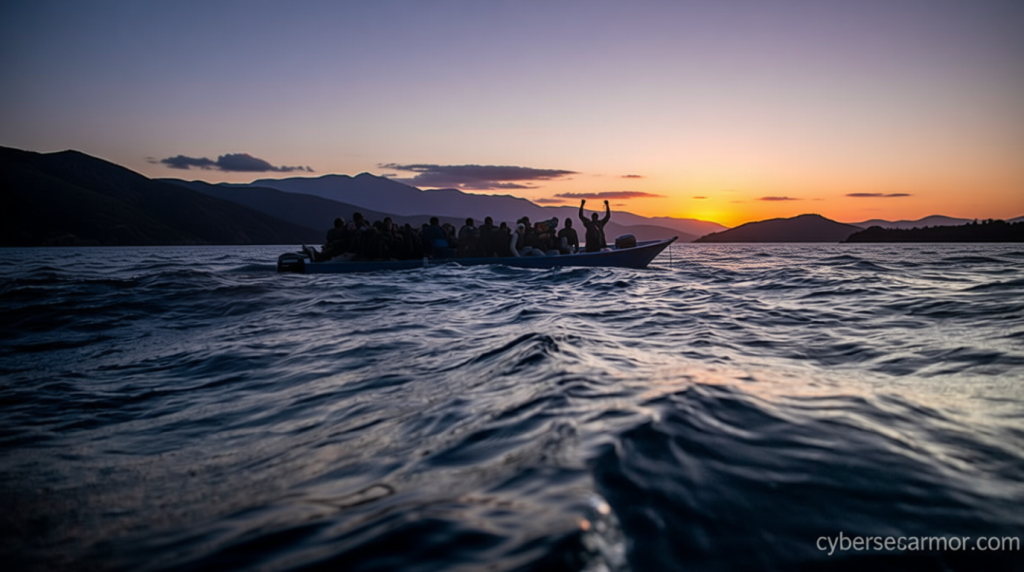
The group of migrants, including seven women and six minors, was rescued by the V1307 patrol boat operated by the Guardia di Finanza at 4:30 a.m. They landed at Favarolo pier, where the cold night air and exhaustion from their journey likely contributed to the baby’s rapid decline. According to accounts shared by passengers, the group had departed from Sfax-El Amra, Tunisia, around 2:00 a.m. the previous day. The trip was made in a seven-metre metal boat, with each person paying between 400 and 600 euros for passage. This cost, though steep, was deemed necessary to escape difficult conditions in their home countries.
Upon arrival, the baby girl and her mother were taken to the outpatient clinic. Despite immediate medical attention, the child’s condition deteriorated swiftly. The clinic staff described her as unconscious and unresponsive, with no signs of life when they reached her. The Agrigento prosecutor’s office has since initiated an investigation to determine the exact cause of her death. A post-mortem examination is scheduled to confirm hypothermia as the primary factor. The body is being transported to the Cala Pisana cemetery for burial, while the mother remains in the care of Italian Red Cross staff at the reception center.
Psychological Support for the Mother
The mother, who is also from Côte d’Ivoire, is said to be in severe emotional distress. She arrived with her two-year-old daughter, who was also part of the group. The Italian Red Cross has provided continuous support to both women, focusing on their psychological and physical well-being. The center’s director, Imad Dalil, confirmed that psychosocial interventions were already in motion. “The mother and her daughter are currently at the hotspot in the Imbriacola district,” he stated in a recent interview. “Immediate support was activated for them, and the medical and psychological teams are working closely to address their needs.”
“The mother and the sister are here in the hotspot and are in good physical condition; for them and for the other people psychological support was activated immediately and in the coming hours the medical and psychosocial teams will continue their work,” said Imad Dalil.
While the mother is receiving care, the incident has raised questions about the challenges faced by migrants during their journeys. The cold weather, lack of proper clothing, and the physical strain of the voyage may have played a role in the baby’s condition. Investigators are now focusing on reconstructing the events of the crossing to understand how the child’s health deteriorated so rapidly. The mother will be questioned further to establish the timeline of her illness and any potential factors that contributed to her child’s death.
Outcry from Human Rights Organizations
The tragedy has drawn sharp criticism from the German NGO Sea-Watch, which posted a vehement statement on X. “While the state attacks those who save lives at sea, investigating the captain of Sea-Watch, a one-month-old baby has arrived in Lampedusa, dead in her mother’s arms, after a three-day crossing,” the post read. This incident is part of a broader pattern of human suffering along the Mediterranean routes, with the NGO emphasizing the injustice faced by rescuers and the vulnerable.
Sea-Watch’s outburst comes amid an ongoing criminal investigation into their captain. The inquiry, which began after the NGO’s vessel, the Sea-Watch 5, arrived in Brindisi with 166 rescued individuals, centers on allegations of aiding illegal entry. The captain is accused of facilitating the crossing, a move that has sparked controversy among human rights advocates. Despite these challenges, the NGO continues its efforts to rescue migrants, highlighting the stark contrast between the risks they face and the legal consequences imposed on them.
The United Nations High Commissioner for Refugees (UNHCR) also expressed deep concern over the loss. The agency, which works to protect people fleeing war, violence, and persecution, released a statement on social media: “A mother has lost her newborn daughter, who arrived dead this morning together with 54 other people in Lampedusa. Deep sorrow and concern for the many children and adults who should not be dying in the Mediterranean,” it said. The UNHCR team is on-site to assist the mother and other survivors, ensuring they receive necessary support during this difficult time.
As the investigation continues, the focus remains on the circumstances that led to the baby’s death. The cold temperatures, physical exhaustion, and limited resources on board the boat are under scrutiny. The incident serves as a reminder of the dangers inherent in the Mediterranean migration route, where thousands of lives are at risk each year. For the mother, the loss is deeply personal, as she now mourns her child while navigating the complexities of life in Italy. Her story underscores the human cost of these journeys and the urgent need for improved conditions for those seeking safety.
In the days following the tragedy, attention is turning to the broader implications of the incident. With the UNHCR and Sea-Watch both highlighting the growing crisis, the question of accountability remains. Who will be held responsible for the child’s death? How can the system be improved to prevent such losses? These queries are likely to shape the next phase of the inquiry, as officials and humanitarian groups work to address the challenges faced by migrants in their desperate quest for a better life.
The baby’s death has also sparked a renewed debate on the treatment of asylum seekers and the role of rescue operations in the region. While the Sea-Watch captain faces legal action, the focus on the baby’s plight may shift public opinion toward greater empathy for the individuals rescued at sea. The incident is a poignant symbol of the human toll of migration, emphasizing the need for comprehensive support systems that extend beyond immediate survival to address long-term well-being.
As the body of the newborn is prepared for burial and the mother begins the process of recovery, the event serves as a somber reminder of the risks undertaken by those fleeing conflict and hardship. The cold night in Lampedusa, where the baby’s life was lost, now stands as a tragic milestone in the ongoing story of displacement and hope across the Mediterranean.

