
Greece has cheap green energy in abundance. So why are electricity bills still so high?
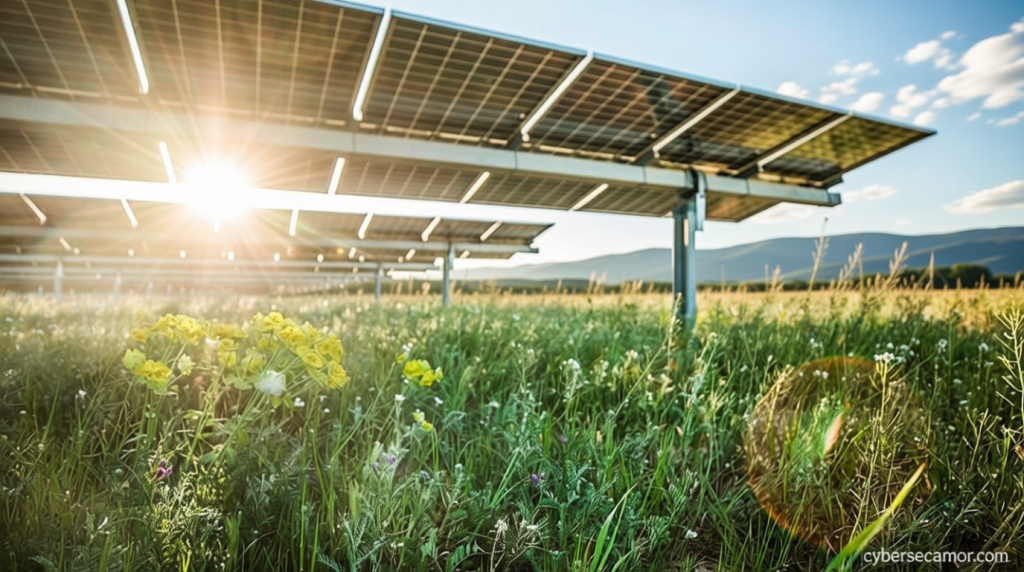
Greece has cheap green energy in abundance. So why are electricity bills still so high?
The Shift to Green Energy in Greece
Greece has cheap green energy in abundance – Once a nation reliant on costly oil and gas imports, Greece is now redefining its energy landscape through a surge in renewable power. The country’s electricity generation has seen a significant transformation, with nearly half of its output—approximately 45 per cent—coming from sustainable sources. This shift has not only bolstered energy independence but also positioned Greece as a potential exporter of green power. About 20 per cent of the renewable energy produced is directed abroad, primarily to Italy and, to a lesser extent, other Balkan nations. Yet, despite this progress, electricity costs remain stubbornly high, raising questions about the efficiency of the energy transition.
Market Dynamics and the Challenge of Excess Supply
The challenge lies in the mismatch between supply and demand. Greece’s renewable capacity has outpaced domestic consumption, creating a situation where large volumes of clean energy are curtailed simply because there are insufficient buyers. Industry insiders highlight that this surplus is not due to a lack of green energy but rather a shortage of market demand. Meanwhile, exports have not yet offset this imbalance, as neighboring countries like Italy and Balkan states are also generating their own affordable renewable power. At the Energy Transition Summit in Athens, held on 13–14 May, this issue was underscored by Stelios Loumakis, president of the Association of Photovoltaic Energy Producers.
“We should stop further expansion. We already have too much,” Loumakis stated. “In 2026, producers’ income will be about 40 per cent lower than last year, due to demand constraints and near-zero wholesale prices. Renewable energy offers stability and low prices for consumers—but there are limits, and it is not for us to go beyond what the technology can offer.”
Despite the abundance of green energy, its economic impact is tempered by the structure of electricity markets. Prices in most European markets are determined by the last and most expensive unit required to meet demand—a concept known as marginal pricing. In many cases, this unit is a gas plant, which remains a critical player in the energy mix. With natural gas prices surging after the closure of the Strait of Hormuz, this dynamic has kept consumer bills elevated, even as the cost of producing renewable energy declines. The European Commission has recognized this trend, identifying four key factors driving high energy costs: wholesale electricity prices, network and infrastructure charges, taxes and levies, and regulated expenses such as capacity mechanisms and balancing costs.
European Commission’s Response to Rising Costs
Cristina Lobillo, Director for Energy Security and International Relations at the Commission’s DG ENER, emphasized that the green transition is not without its hurdles. “The European Council has given us a mandate to work on these four elements—and we are doing so,” she said. “The main issue is affordability, particularly in more vulnerable regions such as southeast Europe.” This highlights a growing concern that while renewable energy production is becoming cheaper, the overall cost to households is not declining as swiftly. The disparity arises from the way electricity markets are designed, with fixed costs and infrastructure investments playing a larger role in determining final prices than the actual generation of power.
Storage as a Potential Solution
One emerging strategy to address this imbalance is the development of energy storage systems. By capturing excess solar and wind power during periods of high production and releasing it when generation slows, storage could alleviate curtailment issues and ensure a more consistent supply of affordable electricity. Greece is actively pursuing this approach, with plans to have battery storage units totaling around 900 megawatts operational by the first quarter of 2027. Costs for such technology have dropped sharply in recent years, enabling a pipeline of new projects. However, industry experts caution that the technology is still in its early stages and requires further maturation to become a reliable solution.
“The accelerated rollout of storage will increase the availability of cheap renewable energy in the grid and, ultimately, reduce costs for the end consumer,” said Alexandros Flamos, professor and head of the Energy Systems Technoeconomics Laboratory at the University of Piraeus.
Progress and Future Outlook
Greece’s Prime Minister, Kyriakos Mitsotakis, used his participation in the summit to showcase the nation’s achievements. He pointed out that the country’s wholesale electricity prices, which were the highest in the EU in 2019, have now fallen below the European average. Additionally, CO2 emissions have been cut by nearly 50 per cent compared to 2005 levels. “Prices will continue to fall as we add more renewables to the energy mix—and hopefully, as gas becomes cheaper,” Mitsotakis noted. However, he left the door open for additional support measures to assist households with rising living costs.
While the energy transition has brought Greece closer to its goal of becoming a green energy hub, the path forward is complex. The surplus of renewable power, combined with the high costs of fossil fuels, has created a paradox where energy production is efficient but pricing remains unaffordable. This situation underscores the need for a more flexible market structure that can adapt to the realities of renewable energy. As the European Commission works to address these challenges, Greece’s experience serves as a microcosm of the broader European energy landscape. The key to unlocking lower bills may lie in balancing the rapid growth of renewables with the infrastructure and policy changes required to support their integration into the grid.

